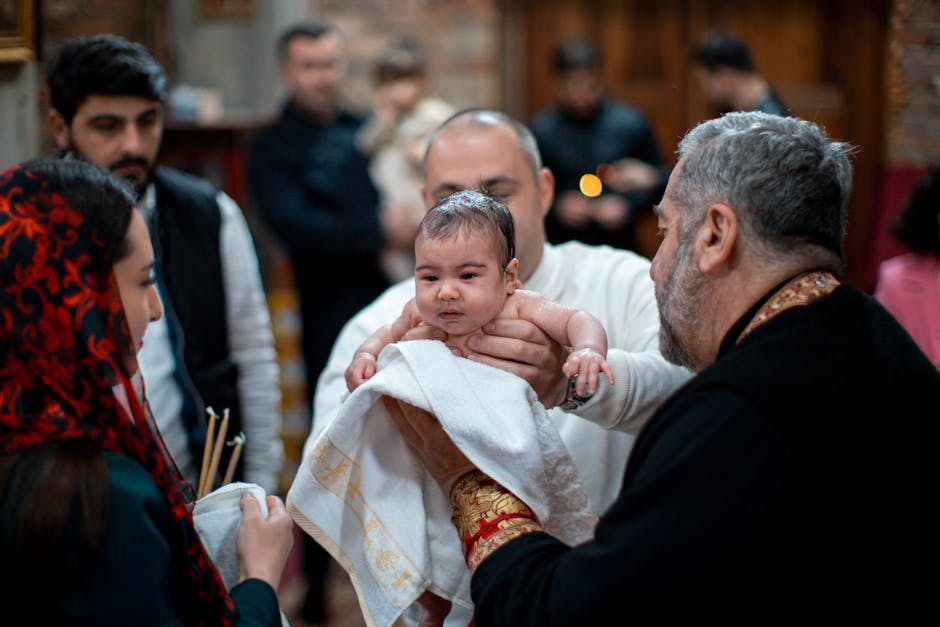






Introduction: why knowing Albanian traditions before you go matters
Traveling to Albania is about much more than admiring idyllic coastal scenery, hilltop fortresses, and towns with Ottoman charm. It’s an immersion into a culture shaped by millennia of history, influenced by the Ottoman Empire, Balkan Christianity, local Islamic movements and the tribal customs of the high Albanian Alps. Learning the local rites and customs before you leave will help you move through the country with respect, curiosity and the ability to turn every encounter into an authentic experience.
This practical guide gives you a solid foundation: everyday behavior rules, etiquette in an Albanian home, plus traditions tied to marriage, funerals, religion and hospitality — the cornerstone of Albanian society. You’ll also find specific places where you can observe these customs, with addresses, typical opening hours and indicative prices in euros, immersive descriptions and hands-on tips for interacting with locals.
Whether you’re visiting Tirana, Shkodër, Gjirokastër, Krujë or the northern valleys, this prep will spare you common faux pas: how to greet people, when to politely decline an invitation, how to behave during a prayer or religious celebration, and which images or questions to avoid. Respecting local practices is universal politeness and often opens doors: an invitation to someone’s home, a shared meal or a conversation that becomes a living lesson about the region’s history.
In the sections that follow, each major cultural theme is covered: Albanian hospitality and the coffee ritual, weddings and family rites, religious practice and the country’s interfaith tolerance, the role of the Kanun (the customary code) especially in the north, and finally festivals, music and crafts where tradition is visible. To make the guide immediately useful, each section includes recommended sites — museums, tekkes, castles — with full names, exact addresses, typical opening hours and prices in euros, plus practical local tips to get the most from your trip.
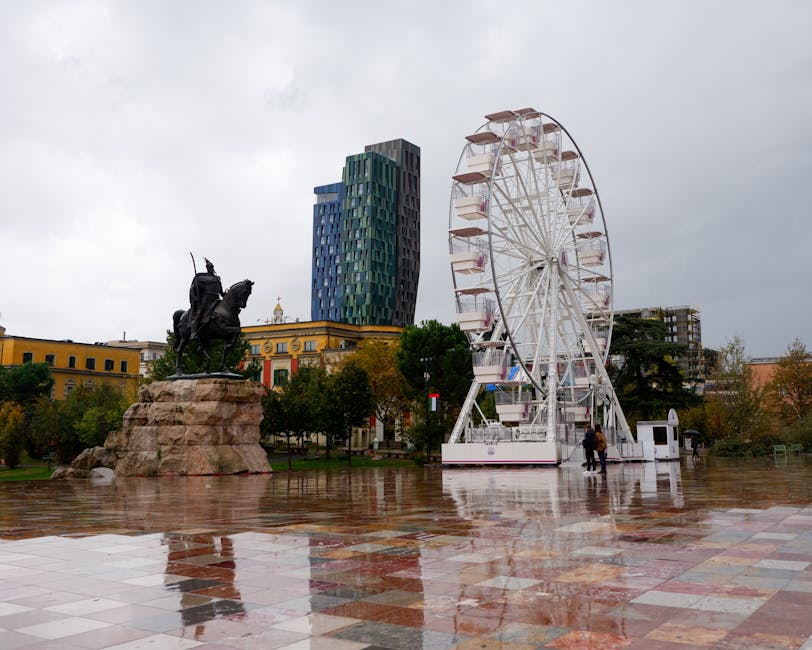
1. Albanian hospitality: welcoming and being welcomed
The reputation of Albanian hospitality is no cliché: people take pride in hosting and sharing. The concept of « mikpritje » (hospitality) is everywhere and shows up in every invitation — to a home, a café or outside a shop. Flatly refusing an invitation can be seen as rude; it’s often wise to accept at least once to show respect, even if you need to decline later with a polite explanation.
In an Albanian household you’ll usually be offered Turkish coffee, tea, raki (the local spirit) and homemade food. Coffee is a ritual: served in small thick cups, often accompanied by long conversation. If you’re invited to someone’s home, bring a small gift (quality chocolate, flowers, or a souvenir from your country). Avoid bringing alcohol if your host seems very religious — better to ask or check beforehand.
Practical tips:
- Entering a home: shoes are often taken off. Wait for the host’s cue. If you keep your shoes on, always offer clean small socks or ask about it.
- Serving and eating: wait to start eating until the host indicates. Refusing the first portion is acceptable, but repeatedly turning down food can be seen as impolite.
- For photos: ask permission before photographing people, especially older women and religious scenes.
Where to experience this hospitality:
- National History Museum (Muzeu Historik Kombëtar) – Skanderbeg Square, Rruga 28 Nëntori, Tirana 1001, Albania. Hours: 09:00–17:00 (closed on some public holidays). Price: around €3–5 for the permanent exhibitions. This museum offers a symbolic overview of traditions and often sparks conversations with Albanians proud of their history.
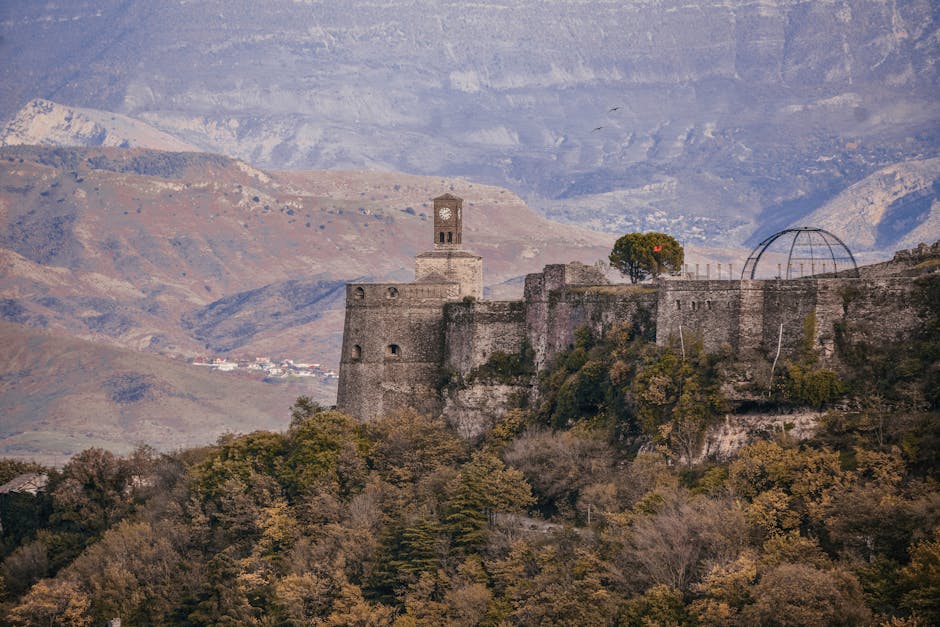
- Ethnographic Museum (Muzeu Etnografik) – Gjirokastër Castle, Gjirokastër 6001. Hours: 09:00–18:00 in high season. Price: €2–4. The site is a reconstructed traditional house; staff are often happy to explain domestic customs.
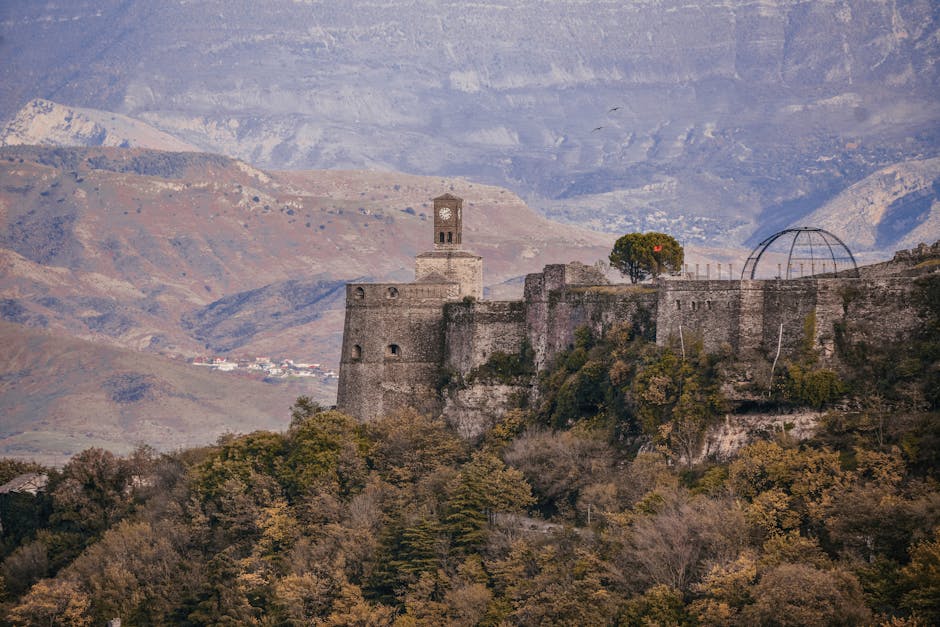
2. Weddings, engagements and family rites: ceremony and symbolism
Albanian weddings are major events where religious customs and family traditions intertwine. Depending on region and religion (Muslim, Orthodox, Catholic or secular), rites vary widely, but family remains central. Engagements (fejesë) can be simple or follow a protocol involving family visits, gift exchanges and sometimes the signing of a traditional civil agreement.
The traditional wedding may include:
- The formal request: the groom’s family visits the bride’s home to ask for permission (a practice still alive in rural areas).
- Gift exchanges: jewelry, adornments or food offerings, depending on the region.
- Religious ceremony: at an Orthodox or Catholic church, or at a mosque. Example: Et’hem Bey Mosque (Sheshi Skënderbej, Tirana 1001) is a place where you can observe Islamic architecture and the importance of rituals in the city center; hours: 09:00–18:00, free entry (respect prayer times), but check visiting hours for non-worshippers.
Festivities often last several days, with music, dances (notably the traditional « valle »), and large shared meals. Polyphonic singing (iso-polyphony), listed as UNESCO intangible heritage, frequently appears in the south and mountain regions during big celebrations.
Traveler tips:
- If you’re invited to a wedding, dress conservatively but elegantly; bright colors are fine, but avoid white unless you’re the bride.
- Ask whether the ceremony is mixed: in some rural areas, men and women may be separated for parts of the ritual.
- Cash gifts are common; discreetly ask relatives what amount is appropriate.
A place to observe nuptial and family traditions:
- Museum of Folk Culture, Krujë (Muzeu i Krujës / Skanderbeg Museum complex) – Krujë Castle, Sheshi Skënderbej, Krujë 1501, Albania. Hours: 09:00–17:00 weekdays, 09:00–18:00 weekends. Admission: €2–5. The museum, part of the Krujë citadel complex, displays costumes, jewelry and objects linked to family and marital rituals — a great visual primer before attending a celebration.
3. Religion, tolerance and places of worship: codes and behavior
Albania is often cited as an example of religious coexistence. Sunnis and Bektashis among Muslims, Orthodox and Catholic Christians, plus a strong secular culture from the communist era, live side by side. This diversity fosters de facto tolerance: rites are mutually respected, and it’s common to see religious traditions blend into community celebrations.
Some general rules for behavior in places of worship:
- Cover your shoulders and knees (especially requested in churches and some mosques).
- Remove your shoes when entering a mosque, unless signage indicates otherwise.
- Be discreet during services; avoid loud conversations and camera flashes during prayer.
- Respect areas reserved for worshippers during rites (do not cross through a space if a prayer is in progress).
Must-see sites to understand religious practice:
- Et’hem Bey Mosque – Sheshi Skënderbej, Rruga e Barrikadave, Tirana 1001. Hours: generally open to visitors 09:00–18:00 except during Friday prayer (roughly 12:30–14:00). Free entry. This 19th-century gem showcases Islamic ornamentation and religious life in the city center.
- Bektashi World Center (Kryegjyshata Botërore Bektashiane) – Tekke complex, Tirana 1001 (visible from the center near Sheshi Skënderbej). Hours: 10:00–16:00. Entry: suggested donation €1–3. Bektashism is a mystical Islamic order influential in Albania; their tekke illustrates the syncretic spirituality present in the country.
- St. Stephen’s Orthodox Church / Orthodox Cathedral of the Resurrection of Christ – Rruga Vëllezërit Frashëri, Tirana 1001. Hours: 08:00–18:00 depending on services. Free entry but donations are accepted. Orthodox churches in the south, like those in Berat and Gjirokastër, are good places to observe traditional rites and icons.
Observe without judging is the golden rule. If you attend a religious celebration (wedding, baptism, patron saint day), check with a local first about specific customs. In rural areas, rituals may preserve pre-Christian or tribal elements that could surprise an unprepared visitor.
4. The Kanun and mountain customs: understanding northern codes
The Kanun, often called Kanuni i Lekë Dukagjinit, is a traditional customary code that governed social life in northern Albanian communities for centuries. It covers topics such as family honor, property, conflict resolution and funeral rites. Although the modern state and national law have replaced most applications of the Kanun, some cultural practices persist, especially in rural and mountainous areas.
Key points to know:
- Concept of honor: family honor remains strong; avoid publicly criticizing a family or questioning an elder’s word.
- Hospitality: linked to the Kanun, a host must protect and feed a guest — which reinforces the importance of accepting an offer at least once.
- Conflicts: although much less common, « vëllavrasje » (family vendettas) have marked history — it’s unwise to ask overly personal questions about these matters without a trusted relationship.
To explore these practices and their content, visit sites and museums in the north:
- Rozafa Castle – Rruga Rozafa, Shkodër 4001, Albania. Hours: 09:00–19:00 in summer, 09:00–17:00 off-season. Admission: €2–4. The castle offers not only strategic views over lakes and valleys but also panels explaining local legends and former social codes.
- Marubi National Museum of Photography – Rruga Luigj Gurakuqi 58, Shkodër 4001. Hours: 09:00–17:00. Admission: around €3–5. The photographic collection shows daily life in the mountains and helps identify traces of the Kanun in posture and dress.
Concrete advice:
- Avoid sensitive topics when chatting with strangers (family disputes, allegations of past crimes).
- Show respect for elders and family hierarchy; a direct word from an elder can end a discussion.
- If you visit rural areas, get local context from your accommodation or a qualified local guide — this will prevent missteps.
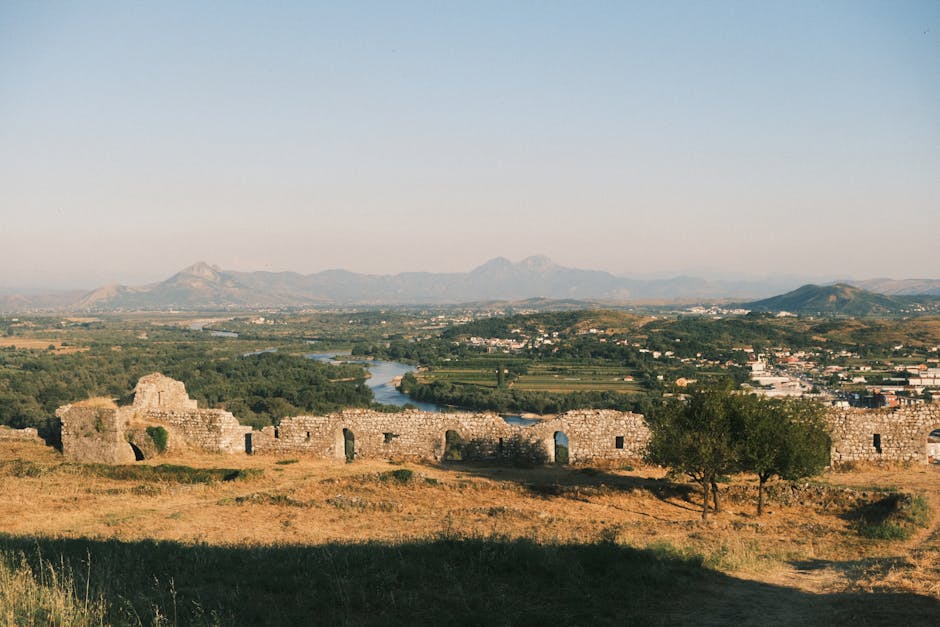
5. Festivals, music and crafts: contemporary expressions of tradition
Festivals and living heritage are excellent ways to gauge the vitality of Albanian traditions. From southern polyphonic music festivals to the craft markets of Krujë, and from religious feasts to national celebrations, Albania displays its cultural memory through aesthetic and communal forms.
Festivals and events not to miss:
- Nëntori Fest / Independence Day – 28 November: ceremonies at Skanderbeg Square (Skanderbeg Square, Rruga 28 Nëntori, Tirana 1001) mark independence. Expect public parades and temporary exhibitions; many events are free.
- Gjirokastër National Folklore Festival (every few years) – Gjirokastër Castle, Gjirokastër 6001. Dates vary; festival tickets can cost €5–15 depending on performances.
- Krujë Bazaar – Old Bazaar, Sheshi Skënderbej, Krujë 1501. Hours: shops typically open 09:00–20:00. Ideal for buying traditional rugs, jewelry and craft items. Prices vary (€10–200 depending on item and quality).
Music and crafts:
- Iso-polyphony – typical of the south (Gjirokastër, Vlorë). Look for concerts at the National Museum of Folk Culture or at local festivals where groups perform in traditional costume.
- Textiles and embroidery – traditional costumes (e.g. in the south: the men’s « fustanella » or the women’s « xhubleta ») are exhibited in ethnography museums and made by local artisans in Krujë and Gjirokastër.
Where to see and buy crafts:
- Gjirokastër Bazaar (Old Bazaar) – Rruga e Platanëve, Gjirokastër 6001. Hours: 09:00–19:00. Often open all week, the area offers handmade goods, rugs and souvenirs; expect to haggle.
- Krujë Old Bazaar – Sheshi Skënderbej, Krujë 1501. Hours: 09:00–20:00. Indicative prices: souvenir magnets €1–3, handmade rugs €30–150 depending on size and quality.
Practical tips:
- Learn a few basic words in Albanian: « Faleminderit » (thank you), « Të lutem » (please), « Mirësevini » (welcome). Making the effort is always appreciated.
- Haggle firmly but respectfully in bazaars; start by offering about half the listed price to open negotiations.
- Buy from shops where the origin of products is clear if you’re after authentic or certified pieces.
Conclusion: travel to Albania with respect and curiosity
Going to Albania involves more than buying a ticket: it means accepting an immersion into a proud and diverse culture where hospitality, family and collective memory matter deeply. By informing yourself beforehand — knowing the codes for homes, places of worship and major rites like weddings and festivals — you give yourself the tools for a respectful and rewarding trip.
The addresses and sites listed in this guide (Et’hem Bey Mosque, Skanderbeg Square, Rozafa Castle, Krujë Bazaar, ethnographic museums in Gjirokastër and Krujë) are concrete starting points to observe and understand. Always check local opening hours and updated prices (the euro amounts mentioned are indicative: €1–5 for most local museums, €2–4 for secondary historical sites, €5–15 for events or festivals) and adapt your plans according to seasons and religious holidays when hours often change.
In practice, adopt these simple principles: respect prayer areas and dress appropriately, accept at least one invitation to honor mikpritje, avoid asking intrusive questions about local conflicts without building trust, and enjoy music and crafts as windows onto a living heritage. Albania will reward your attention with warm encounters, shared meals and stories told in a town square or a castle courtyard.
Finally, use accredited local guides when visiting rural and mountain areas — their experience helps you avoid missteps and gain access to authentic ceremonies. Travel with curiosity, humility and a strong sense of respect: you’ll return with deep memories, broadened knowledge and often, lasting friendships.