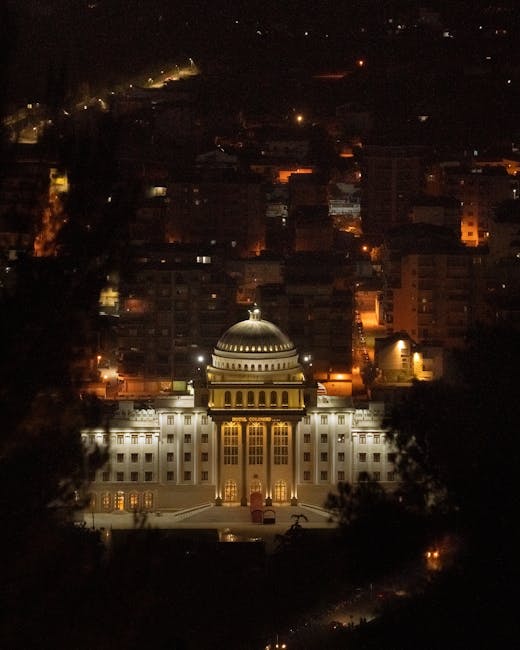






Introduction: Understanding Night Safety in Albania
Albania is an up-and-coming travel destination, drawing visitors with its crystalline beaches, historic towns and warm hospitality. That said, getting around at night requires some preparation and local awareness, as it does anywhere. This practical, professional and detailed guide aims to give English-speaking travelers concrete pointers on night safety across Albania’s main cities and neighborhoods. You’ll find specific addresses, opening hours, price ranges in euros, immersive descriptions and local tips based on tried-and-true practices. There are also suggestions on transport, safe places to dine or go out, and areas to avoid or approach with caution after dark.
It’s worth stressing one reality: Albania is broadly safe, especially if you follow a few basic rules — don’t flash valuables, stick to main routes, use official taxis, and leave a local contact number. Violent attacks are rare, but petty theft, tourist scams and alcohol-related incidents can happen, just like anywhere. This guide covers several major cities: Tirana, Durrës, Vlorë, Sarandë, Gjirokastër and Berat. For each I point out neighborhoods recommended for nighttime, addresses for bars, restaurants and hotels, police stations or emergency services, transport tips and price ranges in euros to help you plan your evenings with confidence.
You’ll also find practical recommendations: how to call a reliable taxi (numbers and approximate fares), how to use payment and booking apps, which neighborhoods to avoid after midnight, and what to do in an emergency. The guide includes time cues (for example, most bars close between 02:00 and 04:00, and some clubs close at 05:00) and tips on managing alcohol and staying safe. Finally, suggested nighttime routes will let you soak up the atmosphere without exposing yourself to unnecessary risk.
Before we start, note that Albania uses the lek (ALL) as its official currency, but many businesses and services accept euros for tourists; prices shown here are therefore converted or given in euros for convenience. The addresses are up to date at the time of writing, but it’s recommended to check hours and availability online or with your hotel before heading out. Now, let’s go city by city to give you a practical, visual map of night safety in Albania.
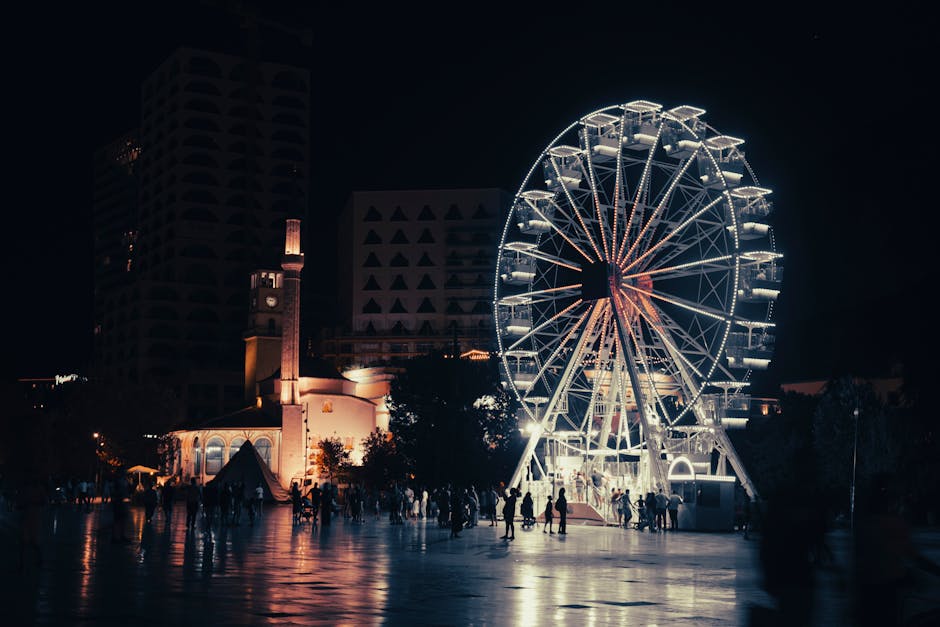
Tirana: Safe Neighborhoods at Night, Key Addresses and Practical Tips
Tirana, the lively capital, concentrates most of Albania’s nightlife. The city center around Skanderbeg Square (Sheshi Skënderbej, 1001 Tirana) remains the busy, safe heart after dark. Pedestrian streets like Rruga Murat Toptani and the Blloku area are particularly lively: cafés, bars and restaurants attract a mixed local and tourist crowd. Blloku (Blloku i ish-Bllokut, Tirana) is known for its chic bars and clubs; it’s a recommended spot for a night out between 20:00 and 02:00.
Practical addresses:
- Oda Restaurant – Rruga Murat Toptani 27, 1001 Tirana. Hours: 12:00–23:00. Prices: main courses €8–18.
- Radio Bar – Rruga Pjeter Bogdani 9, 1001 Tirana. Hours: 19:00–03:00. Prices: cocktails €5–9.
- Plaza Tirana Hotel – Rruga Dëshmorët e Kombit, 3, 1001 Tirana. Reception 24/7. Double rooms from €70/night.
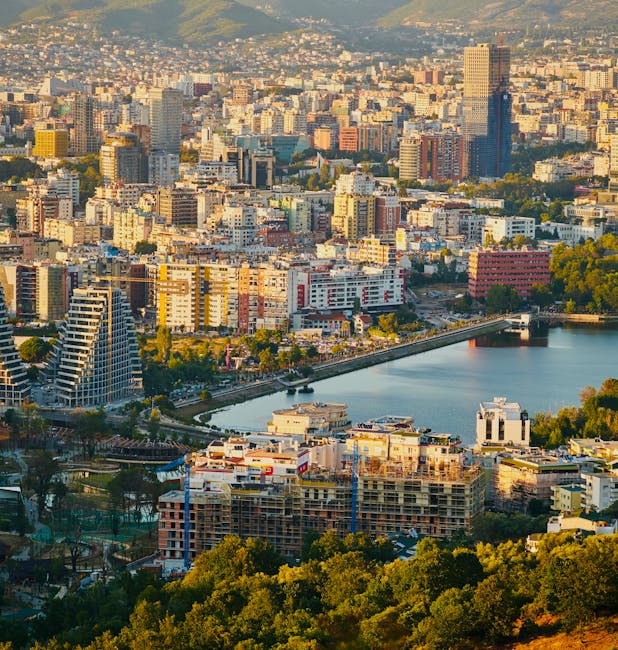
Transport and taxis: at night, prefer official taxis. Recommended numbers: Taxi Tirana +355 68 20 20 202 (approx. fare €2.50–3.50 for a city ride), Auto Taxi +355 68 20 30 300. Night rates may rise 10–20% after 23:00. If you prefer an app, Bolt works in Tirana; expect around €3–8 for an inner-city trip depending on distance.
Safety by neighborhood:
- Blloku: Very lively, well-lit, strong police presence. Great for young travelers, couples and groups. Stay mindful of your belongings in crowded bars.
- Qendra (Center): Around Skanderbeg Square, lots of foot traffic. Generally safe but watch for pickpockets in tourist areas and avoid unlicensed taxis.
- Teg (east suburb): Less touristy, poorly lit at night; avoid isolated areas after 22:00 if you’re alone.
Emergency and useful services:
- Local police (Policia e Shtetit) – Stacioni Qendror, Rruga e Kavajës 43, 1001 Tirana. National emergency number: 112. Open 24/7.
- University Trauma Hospital (Hôpital Universitar Qendror i Traumës) – Rruga Dibra, 1001 Tirana. Emergency services 24/7.
Local tips: avoid withdrawing large sums at night; use ATMs in commercial areas or inside 24/7 service stations. If you plan to return late, ask your hotel reception to book an official taxi and write down the trip number. Stick to main, well-lit streets for walking routes.
Durrës and the Coast: How to Enjoy Nighttime Beaches Safely
Durrës, 33 km from Tirana, is the main coastal gateway and a summer hotspot. The seafront (Lungomare Durrës, Rruga Taulantia) is pleasant in the evening, with restaurants and clubs open late. Popular spots include the Amphitheatre Beach Club (Rruga Taulantia, 2001 Durrës) and Plazhi i Durrësit for a safe walk. In low season some parts of the promenade can be quieter and less well-lit; so be cautious.
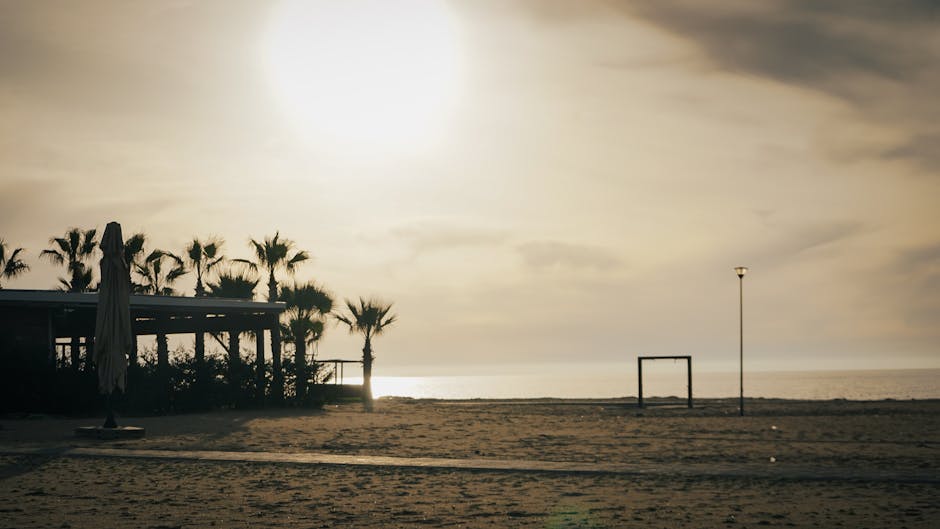
Addresses and hours:
- Amphitheatre Beach Club – Rruga Taulantia, 2001 Durrës. Summer hours: 10:00–04:00. Club entry: €5–10 depending on the event.
- Restaurante Kandari – Rruga Viktor Labinoti 12, 2001 Durrës. Hours: 12:00–23:00. Prices: seafood dishes €10–22.
- Hotel Adriatik – Rruga Taulantia, 2001 Durrës. Reception 24/7. Double rooms from €60/night.
Transport and safety: in Durrës, taxis are common near the port and beaches. Recommended company: Taxi Durrës +355 52 22 11 22. Average port-to-city fare: €3–7. Night trips to Tirana by taxi usually cost €25–40; favor private shuttles or official night buses if available. Coastal roads can be winding and poorly lit; local drivers may be reckless, so if you rent a car, drive carefully.
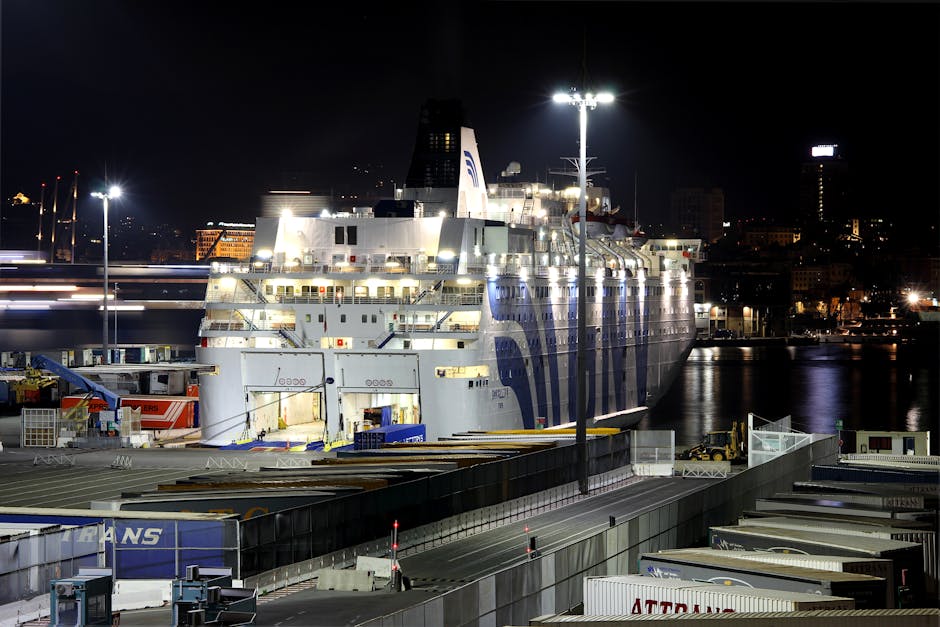
Areas to avoid: the small lanes around some industrial zones (near the port) can be isolated and poorly lit; avoid them after 22:00. Isolated beaches at night may also attract groups—stick to lifeguarded or club-adjacent beaches.
Tips for night owls: if you plan to enjoy seaside nightlife, tell someone your route, keep a copy of your passport at the hotel, and don’t swim after dark. Fresh seafood is excellent, but choose busy, well-reviewed restaurants; if you get stomach trouble, look for the on-duty pharmacies (apteka) marked with a green sign; they rotate night shifts.
Vlorë and Sarandë: Going Out Safely on the Southern Coast
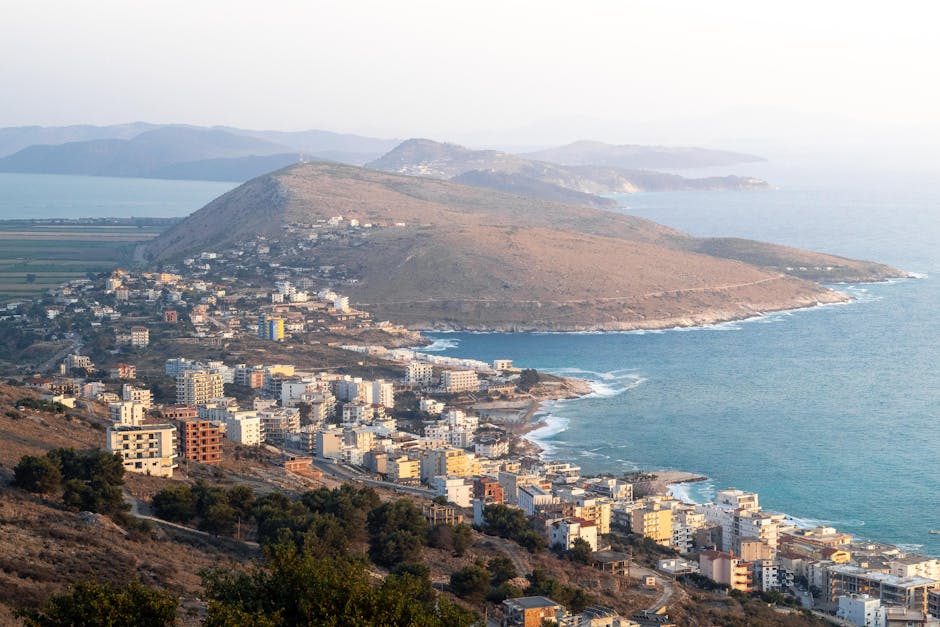
Vlorë and Sarandë, two southern gems, are popular for their coastline and summer nightlife. Vlorë (Vlorë 9401) mixes seaside promenades, cafés and restaurants, while Sarandë (Sarandë 9701) is the gateway to Corfu and Butrint National Park. Both towns come alive at night in summer: beaches, bars and night markets create varied atmospheres.
Addresses and details:
- Ristorante Rapa – Rruga Sazan, 9401 Vlorë. Hours: 12:00–23:00. Prices: pizzas and dishes €6–15.
- Hotel Regina City – Rruga Ismail Qemali, 9401 Vlorë. Reception 24/7. Double rooms from €55/night.
- Bar Havana – Rruga Fan Noli, 9701 Sarandë. Hours: 18:00–02:00. Cocktail prices: €4–8.
- Restaurante Limani – Rruga Butrinti, 9701 Sarandë (seafront). Hours: 11:00–00:00. Prices: fish dishes €10–25.
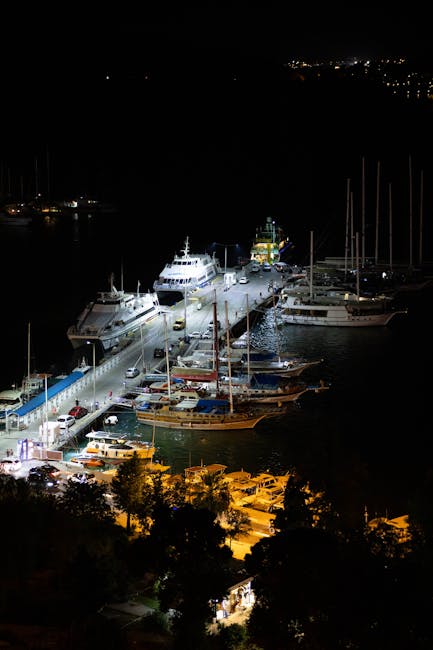
Transport: local taxis in Vlorë and Sarandë are generally reliable for short trips. Recommended number in Sarandë: Taxi Sarandë +355 69 60 60 600. Night trips between Sarandë and Ksamil cost about €10–20. For Vlorë, a night transfer to Fier or the airport can cost €30–50. Boat services to islands or Corfu run seasonally; check schedules during the day for possible nighttime crossings.
Safety and neighborhoods: in both towns prioritize the seafront and main roads at night. Avoid industrial zones and poorly lit urban fringes after midnight. In Sarandë, the Lungomare Albania promenade is well-patrolled and lively; in Vlorë, the area around the port and Rruga Ismail Qemali is the safest for strolls.
Local advice: if you attend open-air parties or beach gatherings, watch your belongings and stick with a group. Bars sometimes charge a cover for events (€5–15), often justified by DJs or live acts. Always carry a bank card and some cash in euros for small expenses; many small businesses accept euros in high season.
Gjirokastër and Berat: Night Safety in Historic Towns
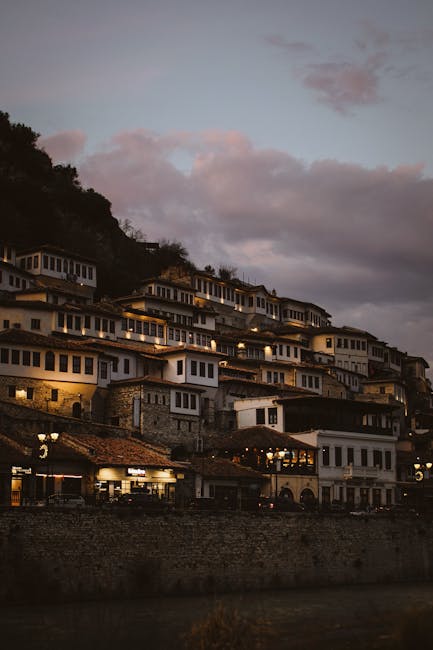
Gjirokastër and Berat are UNESCO World Heritage sites and offer quiet, peaceful evenings—ideal for travelers who value history and calm. The cobbled lanes and Ottoman houses create a magical atmosphere after sunset, but streets can be narrow and occasionally poorly lit, so take care.
Key addresses and hours:
- Mangalemi Guesthouse – Rruga Çerçiz Topulli, 5001 Berat. Reception: 08:00–22:00. Double rooms from €40/night.
- Papafilipi Restaurant – Rruga Mujo Ulqinaku, 6001 Gjirokastër. Hours: 12:00–22:00 (may close earlier off-season). Prices: dishes €6–14.
- Gjirokastër Castle (Kalaja e Gjirokastrës) – Rruga Kalasë, 6001 Gjirokastër. Daytime hours: 08:30–17:00. Museum entry: €3–5 (no regular night visits; occasional paid events).
Safety in practice: at night the historic centers are generally calm and safe. However, some lanes can be slippery (cobbles): wear appropriate shoes and avoid high heels. Family-run guesthouses are welcoming and most have a phone number for late arrivals. If you get lost, ask shopkeepers for help; locals are often very helpful.
Transport: there aren’t many taxis at night in these historic towns, especially off-season. Coordinate late arrivals with your hotel or guesthouse; most offer shuttle service at reasonable rates (€5–15 depending on distance). If you rent a car, park in well-lit areas and avoid leaving valuables visible inside the vehicle.
Practical tips: join an early-evening guided tour (late afternoon), then dine at a recommended restaurant; avoid wandering alone late in unlit lanes. If you need help, the municipality (Bashkia) and local tourist offices are good contact points; they can also point out on-duty pharmacies and emergency numbers.
Across-the-Board Tips: Behavior, Useful Numbers and Gear to Pack
This chapter gathers recommendations that apply across Albanian cities to boost your night safety. These practical tips will help you prepare evenings out and respond to incidents.
Behaviors to adopt:
- Stay visible: favor main roads and well-lit areas when walking at night. Avoid isolated streets and dark parks.
- Travel light: minimize visible valuables (camera on straps, flashy jewelry) and keep your bag in front of you. Use a small inner pouch for documents and bank cards.
- Coordinate returns: tell someone or the hotel reception your estimated return time. Ask the hotel to call an official taxi if you’re coming back late.
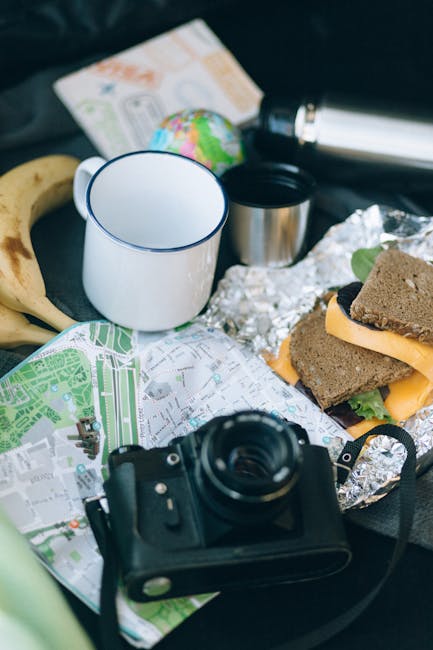
Useful numbers and places (national and local):
- National emergency number: 112 (call for police, ambulance, fire).
- Airport police at Tirana – Rinas International Airport, Rinas. Open 24/7. Transfers: shuttle buses and official taxis available; airport–city fare to Tirana €20–25.
- Ambulance service: via 112 or local hospitals (see city sections for hospital addresses).
- Roadside assistance: Alb Assistance +355 4 22 22 222 (breakdown and towing, fares vary).
Recommended gear:
- Headlamp or compact flashlight for poorly lit lanes.
- Portable charger (powerbank) to keep your phone alive at night.
- A paper map and a written copy of your accommodation address in both Latin and Albanian script to show taxi drivers.
Payments and money: although the lek is the official currency, many places accept euros, especially in tourist areas. In cities, favor card payments at quality restaurants and hotels; for small expenses (local taxis, night markets) carry €10–30 in cash. ATMs are plentiful in Tirana but rarer in small towns; avoid withdrawing large sums at night.
What to do in case of assault or theft: if you’re a victim of theft, contact the police at 112 and report the incident as soon as possible. For minor scams, keep any evidence (receipts, messages) and file a police report to help with insurance claims. For medical emergencies, head to the nearest hospital or call an ambulance via 112.
Conclusion: Traveling at Night in Albania with Confidence and Caution
Albania offers a rich and varied nighttime experience: from vibrant capitals like Tirana to seafront promenades in Durrës, Vlorë and Sarandë, and the historic ambiance of Gjirokastër and Berat. The key to fully enjoying these nights is to mix curiosity with caution. By following simple rules — choose well-lit neighborhoods, use official taxis, keep enough cash, notify your accommodation of late returns and guard your belongings — you minimize risks and increase the chances of having memorable evenings with peace of mind.
This guide has given you precise addresses (restaurants, hotels, services), opening hours and price indications in euros to ease your planning. Remember that opening hours can vary by season: in summer nightlife often stretches to 04:00–05:00 while in low season businesses close earlier. Always double-check local information on arrival, use trusted transport apps (like Bolt) and keep emergency numbers handy.
Finally, don’t forget that the best on-the-ground resource is often the local community: hoteliers, restaurateurs and guides provide up-to-date advice on safe routes, nights to avoid and events not to miss. Keep your sense of adventure, follow basic precautions outlined here, and your nights in Albania will be both safe and rewarding. Safe travels and enjoy Albania’s nights — bright, friendly and full of discovery.