





Introduction: The story of Albanian music — from folk to modern pop
Albanian music is a living mirror of the history, mountains, rivers and towns that have shaped the people of Albania. From the ancient polyphonic songs of the southern valleys to the contemporary pop productions that dominate the airwaves today, the country’s musical journey reflects cultural encounters, political resistance and the modern aspirations of a nation in constant change. This article is a comprehensive, immersive guide to understanding that evolution: historic sites to visit, must-see music institutions, exact addresses, entrance fees and opening hours, plus practical tips to help you have an authentic musical experience during your stay in Albania.
In Albania, traditional music — often called « muzikë popullore » — still plays a central role in community life. Regions such as Gjirokastër, Përmet and the broader south are famous for polyphony, a complex collective vocal style listed as UNESCO intangible cultural heritage. By contrast, cities like Tirana and Durrës have been the hubs of a rapid musical modernization since the late 20th century: studio recordings, radio, television and international festivals have helped shape a vibrant pop landscape. This guide is not just historical: it’s designed as a practical itinerary for the curious traveler, with precise addresses (museums, concert halls, music schools), prices in euros and visiting hours so each step is concrete and usable.
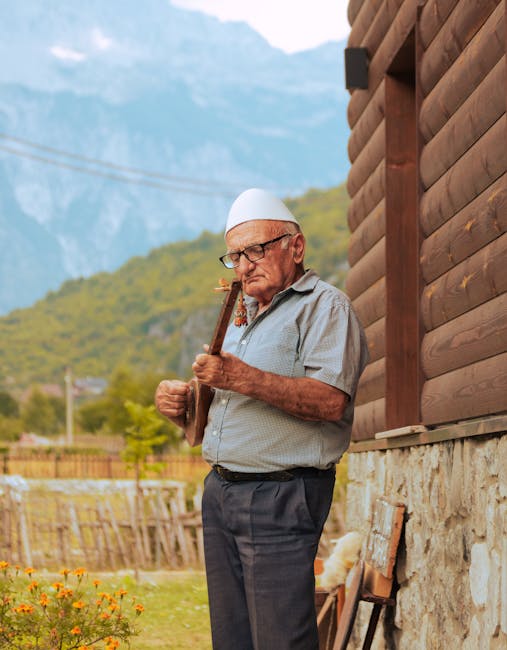
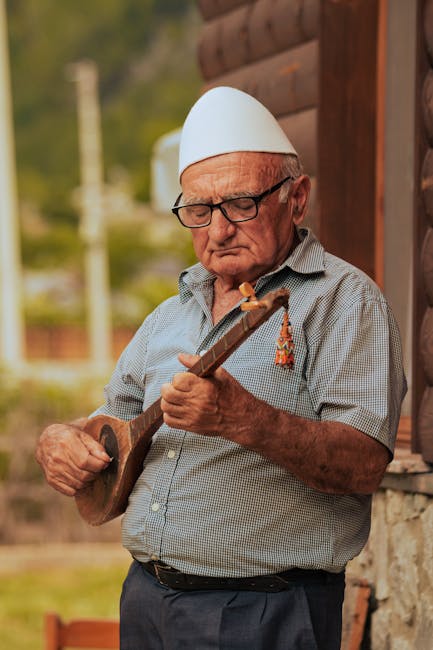
In the sections that follow you’ll find a thematic exploration: rural roots and polyphony, Ottoman and Balkan influences, the communist era and cultural control, the post‑1990 transition opening toward Europe, and finally the modern pop scene with its studios, labels and venues. Each section includes recommendations of sites to visit — for example the House of Music in Gjirokastër, the National History Museum (Tirana), the House of Traditions in Shkodër — along with addresses, entrance fees and opening times. We also add local tips: how to attend a polyphonic evening, where to buy traditional instruments like the lahuta or çifteli, and how to navigate concerts in Tirana to find hidden gems.
This guide also includes visual markers
,
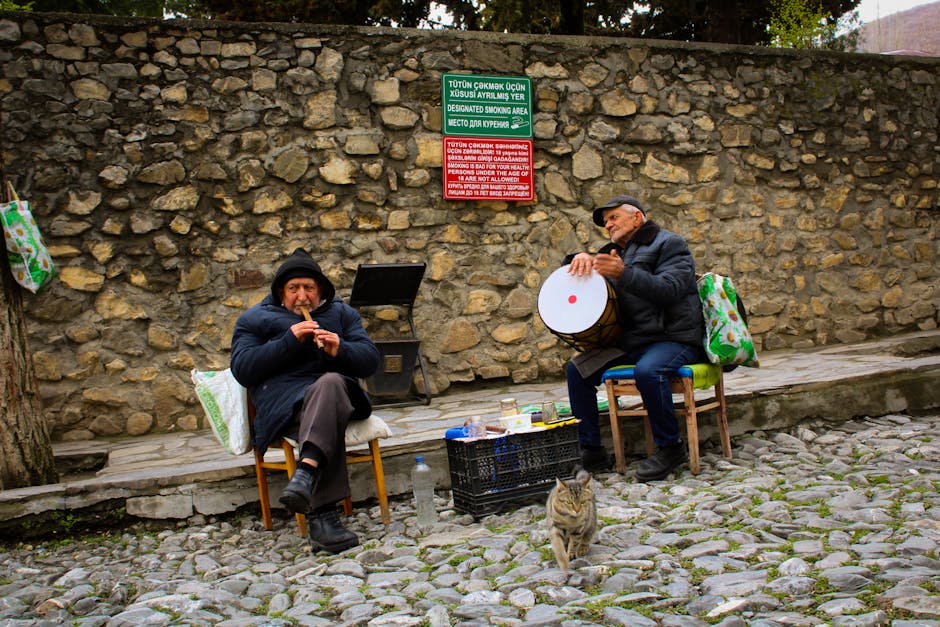
, and other descriptive images to help you visualize the places before you go. Whether you’re an amateur anthropologist, a music lover or simply a traveler seeking authenticity, the history of Albanian music offers a rich palette of sensory and cultural experiences. Get ready to hear polyphonies that give you goosebumps, to dance to modern urban rhythms and to discover places where music is woven into everyday life — guesthouses, cafés, markets and public squares.
1. Roots and polyphony: the vocal heart of Albanian music
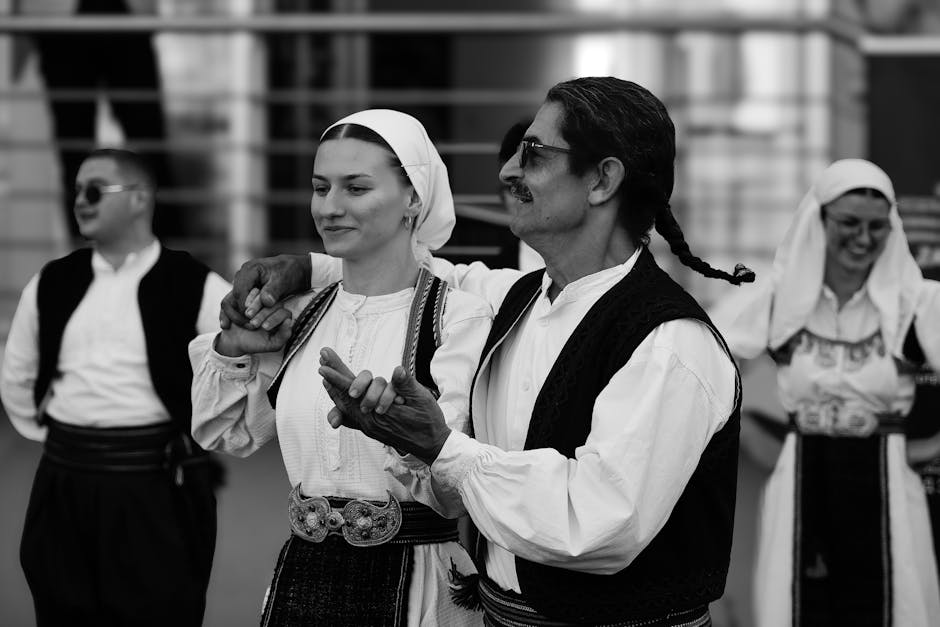
One of the most remarkable features of Albanian music is polyphony, especially present in the south of the country. Recognized by UNESCO as intangible cultural heritage, Albanian polyphony is a collective practice where several voices intertwine to form complex harmonies, often without instrumental accompaniment. To see and hear this in an authentic context, two places are essential: Gjirokastër and Përmet.
Gjirokastër — House of Music and traditional evenings
The House of Music in Gjirokastër (located in the heart of the old town) regularly hosts evening gatherings and polyphony concerts. Address: Rruga Skënderbej 3, Gjirokastër 6001. Opening hours: museum visits 09:00–17:00 (daily), musical evenings on Saturday nights from 20:00 (times may vary by season). Prices: museum entry €5.00; participation in evening events €8.00–12.00 depending on the event. The gatherings often take place in traditional stone houses with limited audiences — an immersive experience guaranteed.
Local tip: arrive early and ask the House of Music staff if it’s possible to attend an informal rehearsal with local singers. Locals love to share the stories behind their songs, explaining the nature, war and love themes that make up the repertoire.
Përmet and singing circles
Përmet is another renowned center for polyphony. The cultural association « Shtëpia e Traditës » (House of Tradition) is located at Rruga Shqiponja 12, Përmet 6301. Opening hours: 10:00–16:00 (Monday–Saturday). Prices: free entry to the exhibition room; workshops and concerts €6.00–10.00. Përmet’s musical evenings often take place in local guesthouses, where traditional food accompanies the polyphonic singing — perfect for a multisensory immersion.
Technique and description: Albanian polyphony includes parts called « taks » (solo melody), « iso » (drone) and counter‑chants that create a dense, emotive texture. Songs are often responsorial and can be sung a cappella for hours, making the experience almost meditative. For travelers, joining an evening usually implies respecting local codes: listen attentively, avoid intrusive photography and participate respectfully when invited.
2. Balkan and Ottoman influences: hybrid instruments and repertoires
Located at the crossroads of the Balkans and the Ottoman Empire, Albania absorbed a wide range of musical influences. Instruments like the çifteli (two strings), the lahuta (a one‑string highland instrument) and the def (tambourine) tell the story of cultural exchange. To understand these hybridizations, visit specialized museums and artisan workshops.
National History Museum — musical collection and archives
The National History Museum in Tirana features a section dedicated to musical traditions. Address: Sheshi Skënderbej, Rruga Kongresi i Manastirit, Tirana 1001. Opening hours: 09:00–17:00 (closed Mondays). Prices: €7.00 for adults, €3.00 for students. Exhibits display historical instruments, handwritten scores and old recordings that illustrate the fusion of Balkan and Ottoman styles.
Workshops and artisans: in Shkodër you can visit a luthier’s workshop specializing in the çifteli and lahuta. Example: Marash Luthier Workshop, Rruga Prenk Pervizi 21, Shkodër 4001. Opening hours: 09:30–18:00 (Tuesday–Saturday). Prices: free visit; small instruments and souvenirs €15.00–120.00 depending on the instrument. Tip: ask for a demonstration of the making process to better understand the techniques and materials (local wood, metal or gut strings).
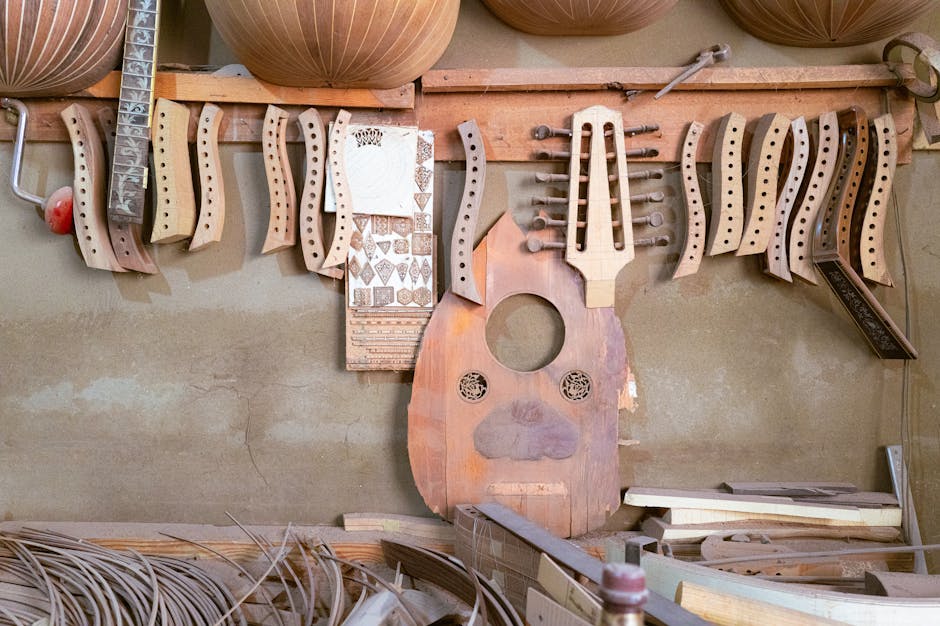
Regional links: religious music (Gregorian chant in some Christian churches and makam traditions in Muslim contexts) has also left melodic traces. Cities like Korçë and Elbasan have music schools that teach these hybrid repertoires, which are often integrated today into contemporary compositions.
3. Under the communist regime: control, preservation and musical propaganda
The communist period in Albania (1944–1991) marks an ambivalent chapter for music. On one hand, Enver Hoxha’s regime strictly controlled artistic productions, censoring what was deemed « decadent » or « bourgeois. » On the other, the state funded the preservation and formalization of many local traditions, creating professional folk ensembles and music schools to standardize and spread a national heritage.
Communist institutions and archives
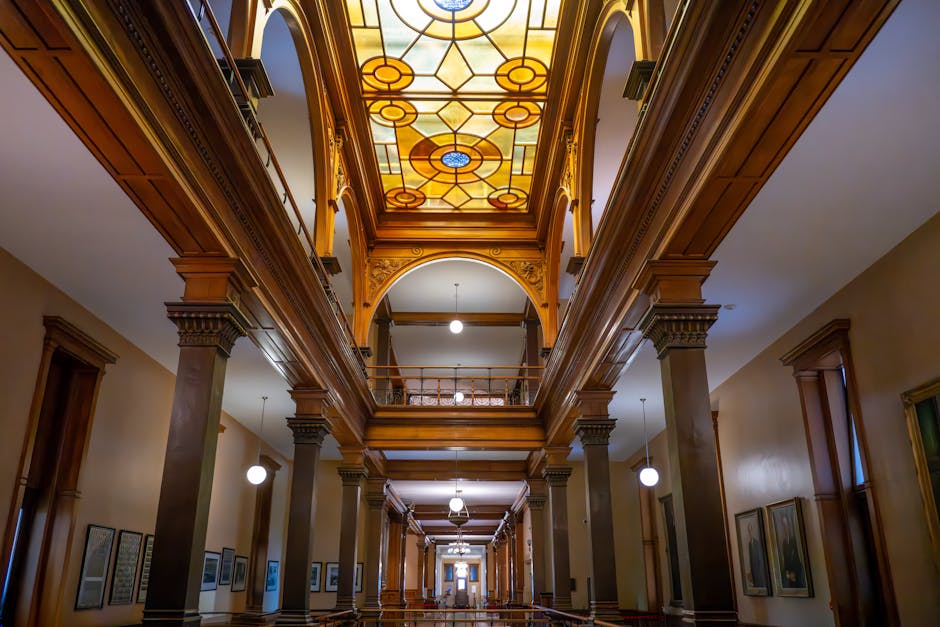
The Palace of Culture in Tirana is an example of an institutional space created under the regime to centralize culture. Address: Sheshi Skënderbej, Rruga Abdi Toptani, Tirana 1001. Opening hours: 08:00–20:00 for certain concert halls; opening hours for exhibitions vary. Prices: vary depending on the event (concerts €5.00–20.00). Today, exhibitions and concerts trace the musical history of that era, with state recordings, posters and scores on display.
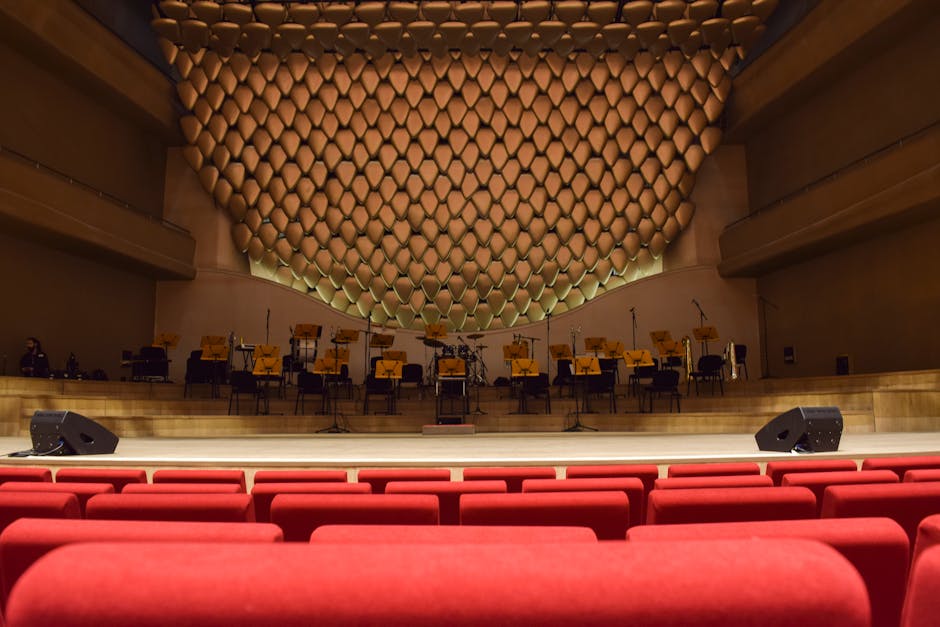
Schools and conservatories: the « Jordan Misja » Music Conservatory (known today as the Higher School of Arts) in Tirana, located at Rruga Sami Frashëri 36, Tirana 1001, trained many professional musicians. Opening hours: 08:00–17:00 (Monday–Friday). Prices: visits by appointment; student concerts are often free or €3.00–7.00. The educational model of the time favored an academic approach to folk music, turning local practices into institutionalized « national » repertoires.
Cultural impact: although restrictive, the regime enabled the professionalization of ensembles like the State Symphony Orchestra and Choir, which helped spread orchestrated versions of folk songs. For visitors, hearing a period arrangement or an orchestral piece in a historic hall helps grasp how politics shaped music in daily life.
4. Post‑1990 transition: openness, fusion and new urban scenes
After the fall of the communist regime, Albania experienced a cultural boom. Openness to Western markets, the arrival of affordable technologies (digital recording, the internet) and greater mobility transformed the music scene. Young artists began to blend tradition and modernity: samples of polyphonic singing over electronic beats, traditional instruments integrated into rock and local hip‑hop.
Tirana: cafés, clubs and independent labels
Tirana is now the hub of these innovations. Clubs like Radio Bar (Rruga Ismail Qemali 83, Tirana 1010) and cultural venues such as Fabrika Tirane (Rruga Myslym Shyri 36, Tirana 1001) host regular concerts. Opening hours: 18:00–02:00 (evenings); concerts often start early in the evening. Prices: concert entry €5.00–15.00. These places are springboards for young bands and DJs experimenting with hybrid sounds.
Studios and labels: independent studios like Magic Records Studio (Rruga Papa Gjon Pali II 10, Tirana 1010) offer professional production services. Opening hours: 09:00–20:00 (by appointment). Prices: recording €25.00–60.00 per hour depending on the package. Local labels — small and often cooperative — support the production of singles and videos circulating on YouTube and Spotify, helping shape a modern Albanian pop with a distinct edge.
Tip for music‑loving travelers: check local social networks (Facebook, Instagram) and the events pages of Fabrika Tirane or Radio Bar to see weekly concerts. Tickets sell fast for headline acts; for small shows, entry is often cash at the door.
5. The modern pop scene: festivals, contemporary stars and venues
Contemporary Albanian pop is expressed through festivals, TV shows and digital platforms. Albanian artists now perform internationally, and local festivals animate the coast and interiors every summer.
Must‑see festivals and concert venues
The Sunny Hill Festival (held some summers) often takes place at Durrës Beach Park, Durrës 2001. Exact location varies by year; check the official site. Opening hours: usually 16:00–01:00 during festival days. Prices: day tickets €30.00–60.00, weekend passes €90.00–180.00. The festival mixes pop, electronic and hip‑hop, drawing a young, international crowd.
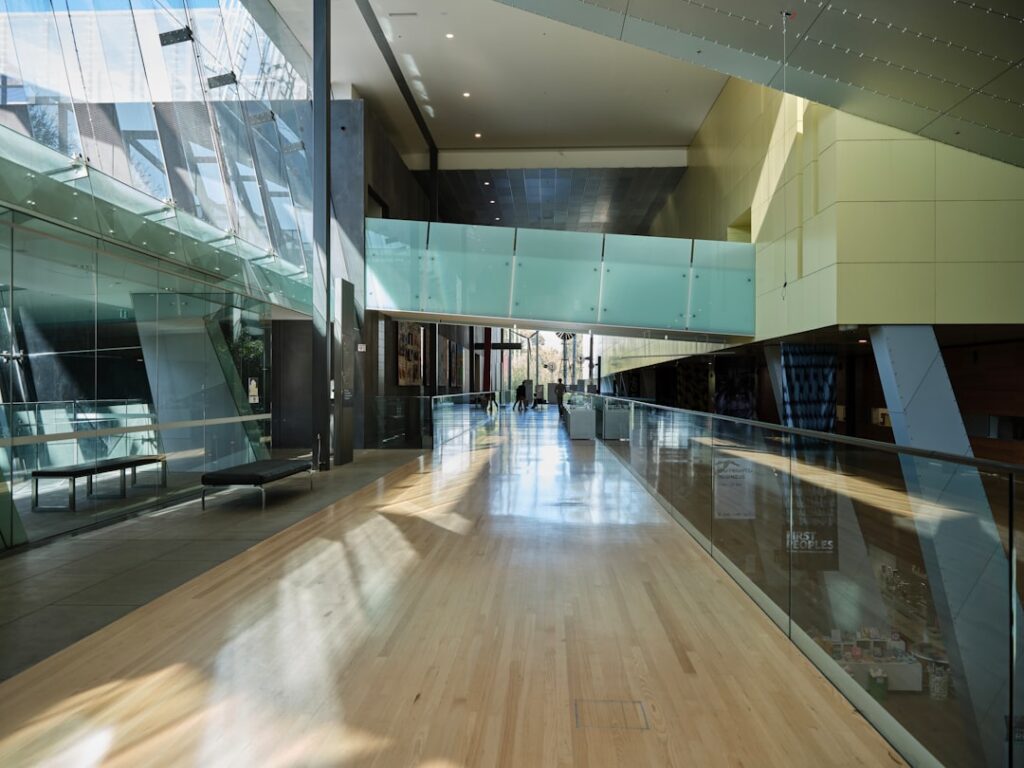
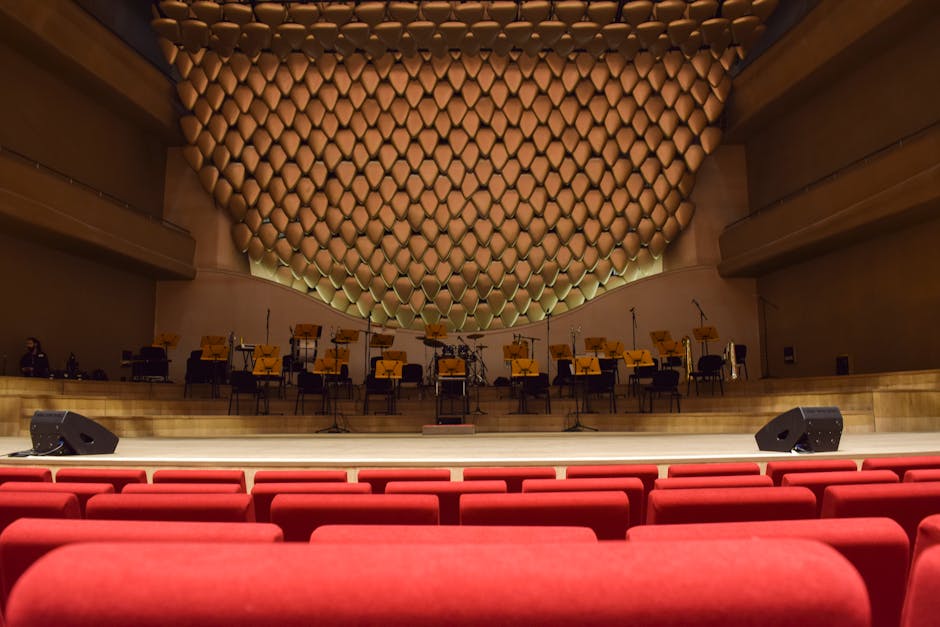
Locally, Durrës’ « House of Culture » concert hall (Rruga Taulantia 1, Durrës 2001) also hosts pop and rock concerts. Opening hours: vary by event; prices €5.00–25.00. In Tirana, the Pallati i Kongreseve (Palace of Congresses) at Rruga Dëshmorët e Kombit 4, Tirana 1001, programs concerts by major stars and international shows — tickets €15.00–80.00 depending on the event.
Artists and the industry
The Albanian pop scene mixes Balkan, Mediterranean and international influences. Music videos are often shot in iconic locations: the Albanian Riviera, the alleys of Gjirokastër or the panoramas of Krujë. Local studios produce contemporary sounds while borrowing traditional motifs — a formula that appeals to Albanians at home and audiences in the diaspora.
Final tip: to attend a concert or festival, buy tickets in advance online or at official outlets; in high season (July–August) prices rise and events may sell out. For a more intimate experience, look for music cafés in Tirana and Shkodër where acoustic sessions and emerging artist showcases are common and often inexpensive (entry €2.00–10.00).
Conclusion: listening to Albania — between tradition and renewal
The story of Albanian music is one of resilience and creativity. From mountain polyphonies to contemporary pop productions, music in Albania has always been a way to tell stories, resist and celebrate. The museums, workshops and concert venues mentioned in this guide provide concrete entry points to understand this evolution — each with a precise address, hours and fees to make your exploration easier.
Seeing a polyphonic evening in Gjirokastër or Përmet, visiting the National History Museum collections in Tirana, meeting a luthier in Shkodër or attending a concert at Fabrika Tirane will let you approach Albanian music from multiple angles: heritage, technique, social context and commerce. And remember: the best way to learn is often to listen and take part. Respect local codes at gatherings, buy souvenirs from artisans and strike up conversations with musicians — Albanians are generally proud to share their traditions.
Finally, the Albanian pop scene is buzzing. Summer festivals, Tirana clubs and independent studios are where the sounds of tomorrow are being crafted. Whether you seek rural authenticity or urban innovation, Albania offers a rich and varied playground for musical exploration. Bring home not just recordings and photos, but sound memories: a polyphonic trance, a çifteli riff or the beat of a pop track that will remind you of a country where music remains at the heart of social life.