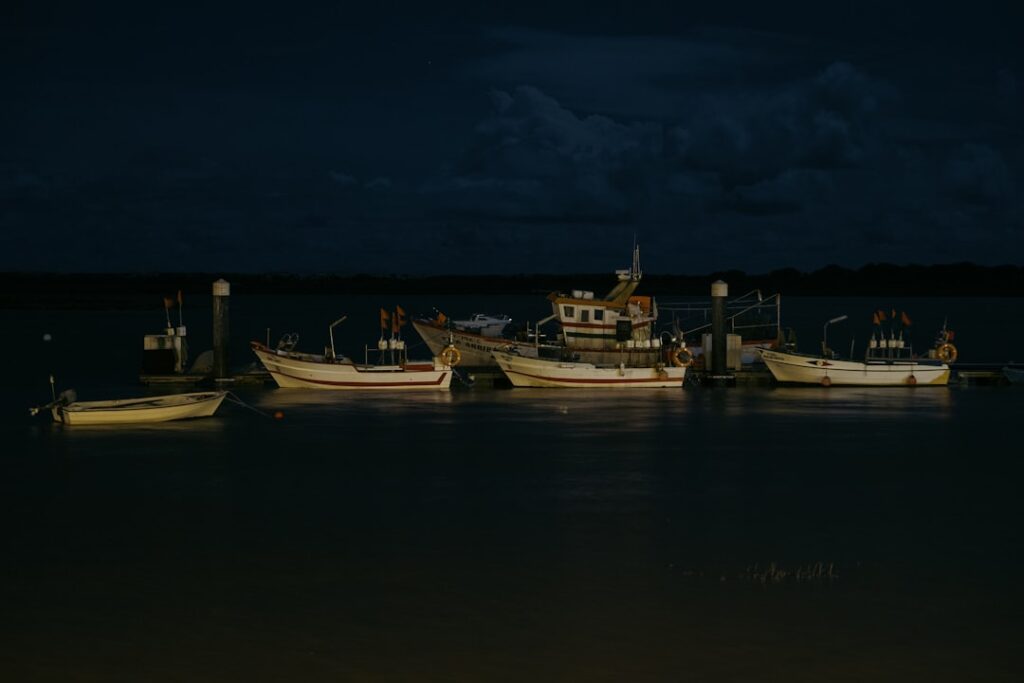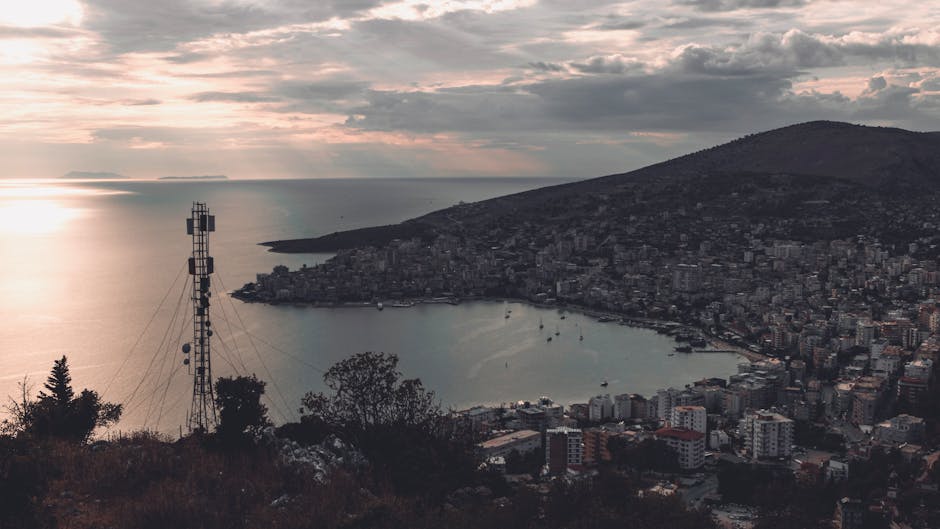





Introduction — Nighttime safety map in Albania: why this guide matters and how to use it
Albania is booming as a travel destination, with dazzling coastlines, historic towns and warm hospitality. Vlora, Durres and Saranda are among the country’s most visited cities, drawing travellers for beaches, heritage and nightlife. But like any tourist hotspot, some parts become less safe after dark due to poor lighting, loosely regulated nighttime activity or simply a reduced police presence. This guide doesn’t aim to stigmatize these cities — quite the opposite — it provides a practical, balanced map of areas to avoid at night, with precise addresses, typical opening hours, indicative prices and local tips to help lower your risk.
We take a pragmatic approach: flagging places where the risk is above average (poorly lit neighborhoods, isolated quays and parking lots, areas with unlicensed bars or groups gathering) and suggesting safer alternatives. For each city — Vlora, Durres and Saranda — you’ll find immersive descriptions of nightlife-sensitive spots, exact addresses (streets, ports, landmarks), practical info like usual opening and closing times, average prices in euros for common services (taxis, public transport, entrance fees), and concrete local advice (apps, important numbers, behaviours to adopt).
A few general rules to remember: avoid walking alone in poorly lit areas after midnight, keep valuables out of sight, favor official taxis or reputable ride apps (Bolt/Free Now) and request a price estimate before your ride, and ask your accommodation about current trouble spots — the situation can shift seasonally. This guide is aimed at the informed traveller who wants to enjoy Albanian nightlife without taking unnecessary risks.
Finally, this document gives tangible reference points: exact addresses for ports and boulevards, approximate euro prices for a taxi or night visit, and typical opening hours to better plan your return trips. Read the city sections, follow the local tips and use the suggested alternatives — lit promenades, central squares and official services — to enjoy your evenings with peace of mind.
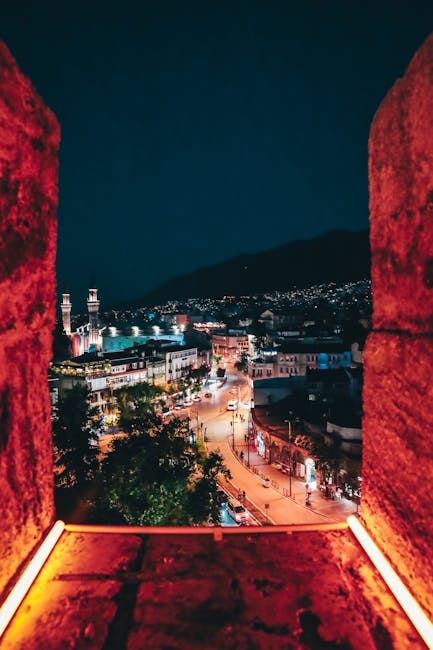
Vlora — which areas to avoid at night and safe alternatives
Vlora (Vlorë) is a charismatic port city sitting where the Adriatic meets the Ionian Sea. The main promenade, Lungomare « Ismail Qemali » (Rruga Ismail Qemali, 9401 Vlorë), is typically lively and well lit, but parts of the waterfront and adjacent neighborhoods can be problematic after midnight. In particular, avoid walking alone toward Porti i Vlorës (Port of Vlora, Rruga Porti) and the warehouses along the quay, where street lighting is patchy and police presence tends to drop at night.
A spot residents often mention is the section of Rruga Ismail Qemali near the intersection with Rruga Qemal Stafa: nightlife is concentrated here, but the side streets that run off the promenade can become very dark quickly. Key address to know: Lungomare Ismail Qemali, 9401 Vlorë. Official Vlora taxis usually start at about €2.50 (pickup fee) and then roughly €0.70–1.00/km; a ride from the bus station (Stacioni i Autobusëve Vlore, Rruga e Plazhit) to the port pier typically costs between €3 and €6 at night.
If you want to reduce your exposure to risk, stick to the city centre up to Nënë Tereza Square (Sheshi Nënë Tereza, 9401 Vlorë) — a well-lit meeting point with late-opening cafés. If you must cross a darker area, choose an official taxi (ask for the meter) or a ride-hailing app if available. Mid-range to upscale hotels like Hotel Regina City (Rruga Ismail Qemali 15, 9401 Vlorë) often offer shuttle services or can call a reliable taxi for you (indicative taxi prices from the hotel: €3–8 depending on the destination).
Beaches near the port may look inviting at night, but staying on the sand after 11pm carries two risks: isolation near noisy groups and harder access to transport if you need to leave quickly. Local tip: visit the Marina (Vlora Marina, Rruga Marina) during the golden hour rather than late at night. In an emergency, the nearest police station is Policia e Shtetit Vlora (Rruga Pavaresia, 9401 Vlorë), open 24/7. National emergency number in Albania: 112.
Durres — nighttime trouble spots, addresses and practical tips
Durres is Albania’s maritime gateway with a long beach and a rich ancient heritage. The Grand Boulevard area (Bulevardi Dyrrah, Rruga Taulantia) is busy during the day. However, after tourist venues close around 11pm–1am, certain stretches become less safe — notably the industrial quay near Porti i Durrësit (Port of Durrës, Rruga e Portit, 2001 Durrës) and the adjacent parking areas used by truckers and passing drivers.
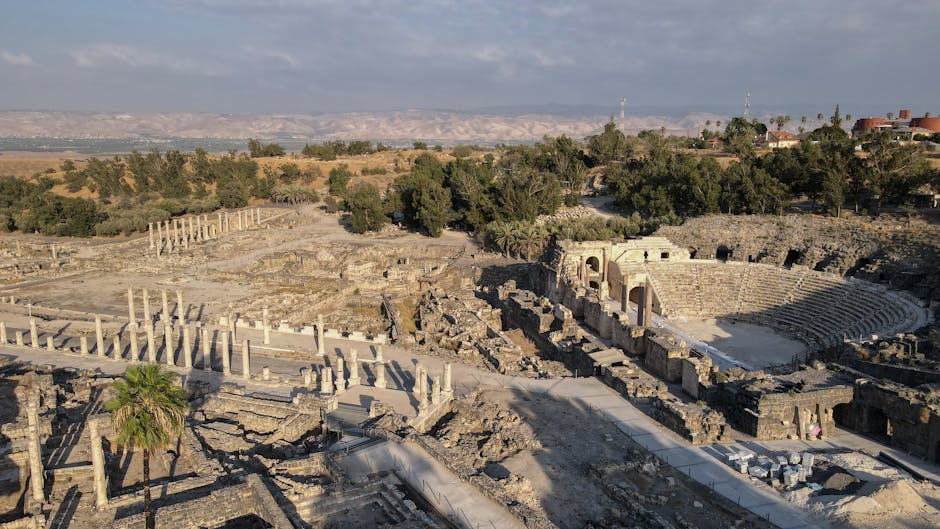
The Amphitheatre of Durres (Amfiteatri i Durrësit, Rruga Taulantia, 2001 Durrës) is open during the day with a paid entrance, typically 08:00–19:00 depending on the season; admission for foreigners is around €3–5. The area around the amphitheatre is well supervised by day but becomes isolated at night when shops close. Exact address: Amfiteatri i Durrësit, Rruga Taulantia, 2001 Durrës. Visitors report that parts of Rruga Taulantia beyond the central square (Sheshi Skënderbej) have side streets with insufficient lighting.
For late returns, favour the seafront promenade « Laguna » and the bustling city centre near Rruga Aleksandër Moisiu. Durres’ official taxis charge similar fares to Vlora: pickup roughly €2–3 and €0.70–1.00/km; a trip from the centre to the station costs about €3–6. Recommended alternatives include arranging a hotel transfer for late-night rides or using pre-booked taxis from recognised stands (for example Taxi Durrës, Stacioni i Autobusëve Durrës, Rruga Oficiale).
Specific places to avoid after midnight: the industrial zone near Rruga e Terminalit (Terminal Road), certain stretches of Rruga Manushaqe Vira that border vacant lots, and the dark parking areas around Porti i Durrësit (Rruga e Portit). If you witness a dangerous situation, Policia e Shtetit Durrës (Rruga Taulantia, 2001 Durrës) is available 24/7. Emergency number: 112. For a safer night out, choose bars on Rruga Aleksandër Moisiu, which often stay open until 02:00–03:00 in high season — prefer venues with visible security and exterior lighting.
Saranda — night-sensitive areas, key addresses and safer options
Saranda, the gateway to the Ionian islands and the Butrint archaeological park, is known for its lively promenade and picturesque port. The centre along Boulevardi Butrinti (Boulevard Butrinti, 9701 Sarandë) and Porti i Sarandës (Port of Saranda, Rruga Jonianet, 9701 Sarandë) are busy in the evenings. Yet some peripheral sections — especially access to isolated beaches and poorly lit parking lots — carry heightened risk after 11pm.
One address to remember: Porti i Sarandës (Rruga Jonianet, 9701 Sarandë). If you walk from the port southeast toward Rruga Butrinti, the small streets that drop down toward private villas quickly become less safe after dark. Saranda taxis often charge a pickup fee around €2.50 and €0.80–1.00/km; a ride from the centre to hotels in Ksamil (about 15 km) will cost roughly €10–15 at night.
Sunsets from the waterfront are stunning, but avoid staying alone on cliffs or isolated rocks after nightfall. Popular beaches like Plazhi i Sarandës (Saranda Beach, Rruga Jonianet) are monitored during the day but not necessarily at night. To explore the area safely, plan organised trips to Butrint National Park (Parku Arkeologjik i Butrintit, Selenicë, 9715) — entrance is about €6–8 depending on season and opening hours typically run 08:00–18:00 in high season, with guided visits available (contact the local tourist office at Rruga Hodo Nivica, Sarandë for details).
Local tips: restaurants and cafés along Boulevardi Butrinti stay open late in summer; pick venues that are well lit and busy, such as Restaurant Limani (Boulevard Butrinti 12, 9701 Sarandë) — check seasonal hours, often 10:00–23:30. If you plan to drive at night to Ksamil or Butrint, book a taxi confirmed by your hotel or use official agency shuttles. In case of incident, Policia e Shtetit Sarandë (Rruga Butrinti, 9701 Sarandë) is on call 24/7. Emergency number: 112.
Conclusion — Summary of risks and a practical checklist
In short, Vlora, Durres and Saranda all offer unforgettable experiences but have areas to avoid at night: poorly lit quays and port zones, industrial parking lots and peripheral lanes with limited oversight. The savvy traveller follows a few simple rules: stick to main, well-lit arteries (Lungomare Ismail Qemali in Vlora, Bulevardi Taulantia in Durres, Boulevardi Butrinti in Saranda), use official taxis or hotel-arranged transfers, and avoid isolated beaches or cliffs after dark.
Checklist to carry or memorise:
- Emergency numbers: 112 (national).
- Official taxis: pickup fee ~€2–3, €0.70–1.00/km; ask for a price estimate before setting off.
- Support points: hotels, well-lit cafés and local police stations (Policia e Shtetit) in each city.
- Opening hours: most cultural sites (e.g. Amphitheatre of Durres, Butrint) close in the late afternoon — plan visits during the day.
- Personal safety: keep valuables out of sight, never leave bags unattended and tell a trusted person your expected return times for late nights.
Finally, remember the situation can change: urban renovations, tourist season and police deployment all influence local safety. Always ask your accommodation staff for up-to-date advice, check with the local tourist office (useful address for Butrint: Visitor Centre, Selenicë) and stay informed via local apps and bulletins. These simple precautions will let you enjoy the beauty of Vlora, Durres and Saranda while minimising risk — so you can come back for more nights in these charming, relaxed towns.