





Introduction — Understanding Hotel Standards in Albania
Albania has seen a fast transformation of its tourism and hotel scene over the last decade. As the country gradually moves past a period of limited infrastructure, major cities like Tiranë, Durrës, Sarandë and Vlorë now offer everything from small family-run bed & breakfasts to international five-star hotels. This guide explains the comfort and service standards you can expect by hotel category, along with practical details on prices, opening hours, amenities and what’s actually observed on the ground.
The variety of Albanian accommodations means a traveler can go, within a week, from a basic homestay to a contemporary aparthotel with a spa and gym. Knowing what’s included in the rate, which extras are charged separately, and how to interpret local classifications (which can differ from usual European codes) will save you unpleasant surprises. For example, breakfast may be included in a city hotel but charged extra at a coastal property during high season; Wi‑Fi might be free in the lobby but paid in rooms at smaller places; and air conditioning, vital in summer, is not always included off-season.
This detailed guide also gives concrete examples of services, representative addresses to orient you, and price ranges in euros, typical schedules and local tips: how to haggle a room rate, when to visit for the best value, and what steps to take if there’s a dispute. We include immersive descriptions to help you visualise the comfort offered (bedding, soundproofing, bathrooms, room size), plus practical advice on ancillary services (airport shuttles, parking, breakfasts, laundry and pet policies).
Finally, we cover local regulations and labels for Albanian hotels, the differences between independent hotels and international chains, and how to spot a good property: spotless cleanliness, English-speaking staff, displayed official documents, clear billing in euros or lek (ALL) and an identifiable manager on site. This guide will help you better prepare your stay, whether you’re traveling for business in Tiranë or relaxing on the Albanian Riviera.
1. Classification and Hotel Categories in Albania — What Stars and Labels Mean
Unlike countries where star ratings follow a strict centralized checklist, Albania’s classification mixes official references, private ratings and public perception. Properties may display stars issued by the Albanian Tourism Association or by private and international systems. In practice, it’s important to assess each hotel based on concrete criteria: room size and layout, amenities (private bathroom, air conditioning, TV, Wi‑Fi), services (24-hour reception, room service, on-site dining) and communal facilities (pool, spa, meeting rooms).
– 1-star hotels: often guesthouses or small inns. Basic room with a bed, a table and sometimes a shared bathroom. Indicative price: €10–25 per night. Typical example: a local guesthouse in Gjirokastër with a central address and reception open 08:00–22:00.
– 2-star hotels: private rooms with ensuite bathrooms, heating/ventilation. Limited services, breakfast sometimes charged extra (€2–7). Price: €20–40. Common in small towns and suitable for short stays.
– 3-star hotels: comfortable level for independent travelers. Larger rooms (18–25 m²), TV, Wi‑Fi often free, 24-hour reception. Continental breakfast included or €3–10 extra. Price: €40–80. In Tiranë, for example, many 3-star hotels near Skanderbeg Square fall into this range and offer airport shuttle services.
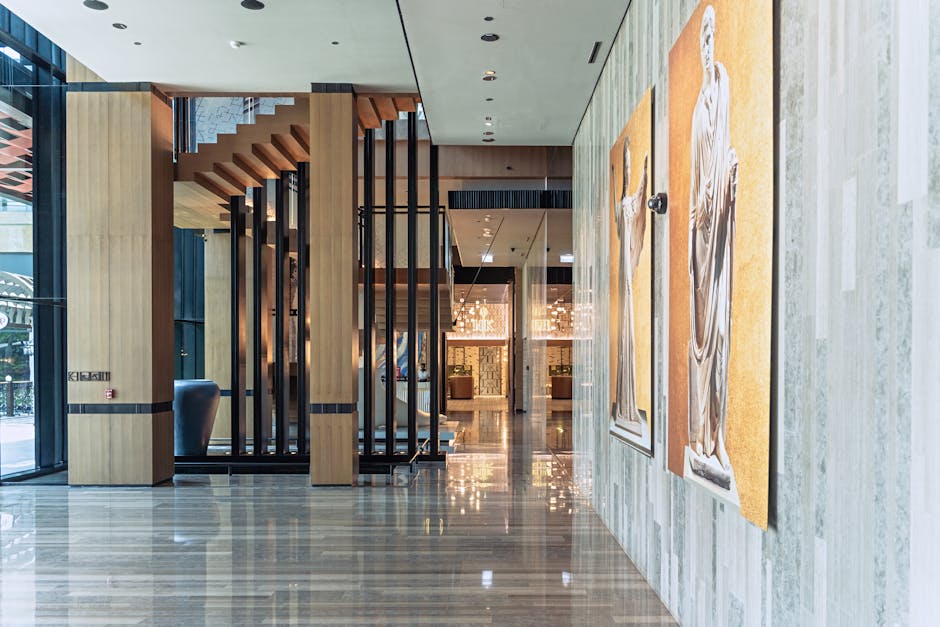
– 4-star hotels: upper-comfort orientation and upgraded services (on-site restaurant, fitness center, light spa). Rooms 25–35 m², quality bedding, soundproofing. Price: €80–150. Examples can be found in city centres and on the coast in high season.
– 5-star hotels: often operated by chains or luxurious independent properties on the Riviera. Expect full service: concierge, full spa, fine dining, conference facilities. Price: €150 and up (can exceed €300 in peak summer for luxury sea-view suites). Standard check-in is 14:00 and check-out 12:00, with early check-in possible subject to availability (often charged).
Practical tip: always check recent reviews (last 30–90 days) across several platforms and contact the hotel to confirm services, especially for small rural properties. Albanian hotels may quote prices in euros and in lek (ALL) — paying in euros is generally accepted, but change may be given in lek. Ask for an official invoice (« faturë ») for business stays.
2. Room Comfort — Bedding, Soundproofing, Air Conditioning and Bathrooms
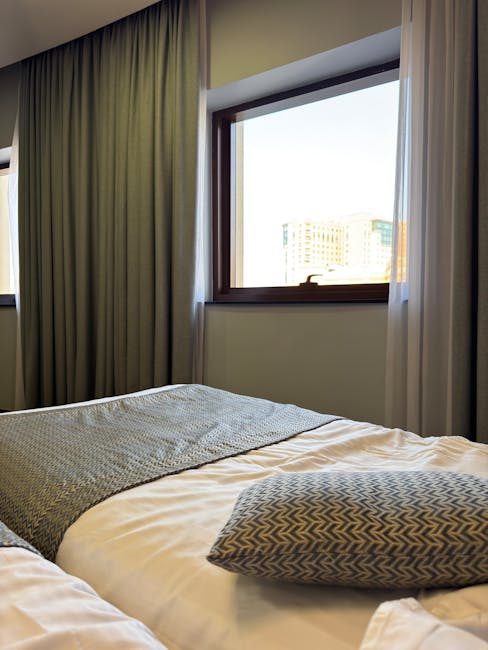
Room comfort is the most tangible part of a successful stay. In Albania, the range is wide: you’ll find clean but compact rooms in family-run guesthouses and spacious suites with sea-view balconies in high-end hotels. Here are the elements to check and practical standards:
- Bedding and size: 3-star hotels and above generally offer double beds (160×200 cm) or two standard twin beds. 1–2 star places may have narrow single beds or older mattresses. For more comfort, request a « double deluxe » or « superior » room; these categories often feature newer mattresses and better linens. Extra bed charges are typically around €10–25 per night.
- Soundproofing: Standards vary widely. Modern city hotels (Tiranë, Durrës) invest in good insulation. In older or renovated buildings, soundproofing can be average. If you’re noise-sensitive, ask for a courtyard-facing room or one with double glazing. Rooms facing main roads can be noisier at night.
- Air conditioning and heating: Air conditioning is essential in summer (June–August). In most 3-star hotels and above, AC is included; in small guesthouses it may be charged €3–7 per night or limited to certain hours (e.g. 08:00–22:00). Central heating runs in winter (December–March), but in older rural accommodations, ask about extra blankets or portable heaters.
- Bathroom: Expect a private bathroom in most 2-star properties and above. Toiletries (soap, shower gel, shampoo) are provided in 3–5 star hotels; small guesthouses may offer basic supplies or none at all. Walk-in showers are common in modern renovations; check water pressure and hot water availability in rural areas where instant water heaters may be used.
Concrete examples: a 4-star hotel in central Tiranë might offer 28 m² rooms, reversible air conditioning, a minibar (drinks €2–5), a free safe and a marble bathroom with complimentary toiletries. A small family hotel in Berat could offer a charming room for €30 with a private bathroom and a continental breakfast included (€5 per person).
Local advice: on arrival, check the mattress condition and bathroom cleanliness. Ask for an upper-floor room to reduce street noise and improve ventilation. If the hotel bills in euros, keep proof of payment; most hotels accept credit cards, but having lek cash is handy for small expenses.
3. Essential Hotel Services and Extras — Dining, Spa, Shuttles and Events
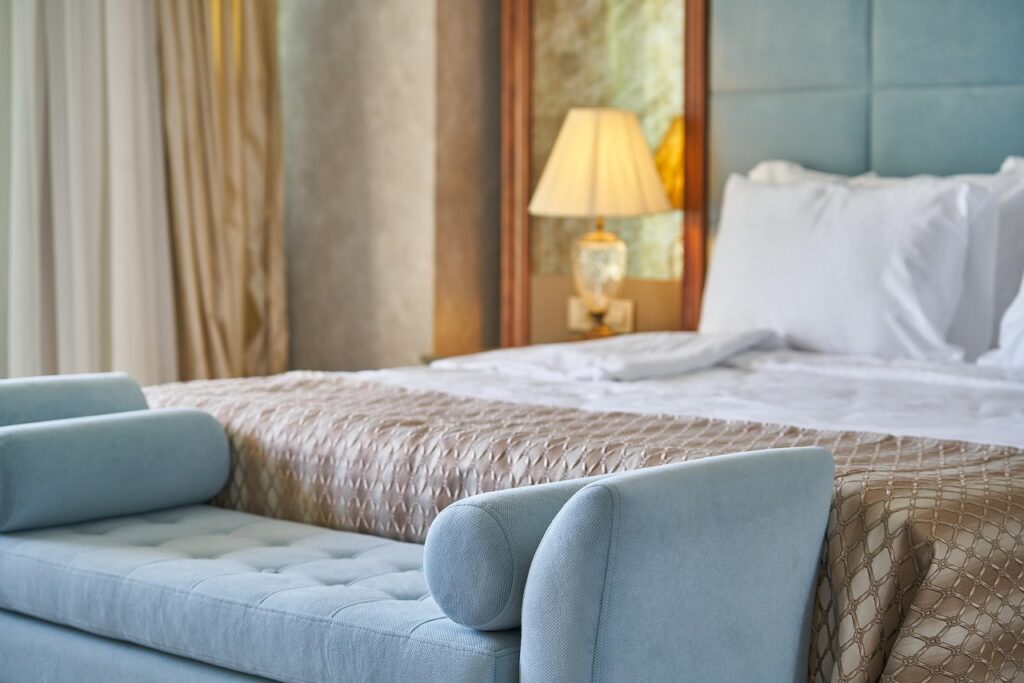
Hotel services in Albania vary greatly by category and location. Here’s a tour of the most common offerings and associated costs, with practical examples.
- Dining and breakfast: In 3-star hotels and above, a breakfast buffet is commonly offered from 07:00 to 10:30 and may be included (0–€15 depending on the rate). Boutique hotels and 4–5 star properties usually run restaurants open roughly 07:00–22:00 for breakfast, 12:00–15:00 for lunch and 19:00–22:30 for dinner. Prices: main course €8–25, tasting menu €35–70.
- Spa and wellness: High-end hotels in major cities and on the coast offer spas, massages and saunas. A professional massage typically costs €25–60. Check opening hours (often 09:00–20:00) and book in advance during high season.
- Airport shuttle and transfers: Many hotels offer a paid shuttle from Tirana International Airport Nënë Tereza (Address: Rruga e Aeroportit Rinas) — typical price: €10–25 per trip depending on distance and vehicle type. Coastal hotels can arrange transfers to/from Sarandë, Vlorë or Durrës, with prices that vary by season.
- Meeting rooms and events: 4–5 star hotels often have equipped rooms for conferences and weddings. Renting a meeting room for half a day: €80–300 depending on capacity and equipment (projector, sound system, catering).
- Daily services: housekeeping, laundry and room service: Daily housekeeping is usually included in 3–5 star hotels; laundry is charged €3–8 per item. Room service is often available from 07:00 to 23:00 with a service surcharge (around €2–5).
Example services and addresses: a 4-star hotel in Durrës on Rruga Gjeneral Thoma offers a seafood restaurant open 12:00–23:00, a spa open 10:00–20:00 and an airport shuttle at €15 per trip. A boutique hotel in Gjirokastër (central address in the old town) includes breakfast 08:00–10:00, guided tours on request (€30–60 for a half-day) and local taxi booking through reception.
Practical tips: for meals, book on-site during high season as hotel restaurants can sell out in the evening. For spa treatments and massages, give at least 24 hours’ notice. Hotels often partner with local agencies for excursions (Butrint, Llogara Pass, Ksamil) — compare the hotel’s prices with independent tour operators.
4. Pricing, Booking Policies and Guest Rights in Albania
Hotel pricing in Albania is strongly influenced by seasonality: the coast (Sarandë, Ksamil, Himarë, Vlorë) sees sharp price increases from June to September; cultural cities (Berat, Gjirokastër, Krujë) remain steadier year-round. Understanding booking rules, cancellation policies and your rights as a guest will help you choose the best option.
– Booking policy: most websites and agencies require a credit card to guarantee a reservation. Cancellation terms vary: flexible bookings (free cancellation up to 24–48 hours before arrival) versus non-refundable rates (10–30% discount). For long stays or group bookings, negotiate a stable rate and ask to include breakfast and transfers where possible.
– Payment and currencies: although the euro is commonly accepted in hotels, the national currency is the lek (ALL). Hotels may display prices in euros and lek; card payments are generally accepted in 3-star properties and above. Conversion fees or commissions may apply: ask before paying. For small expenses (taxis, local shops), carry lek cash — exchange offices are available at airports and city centres.
– Guest rights: hotels must provide an invoice (« faturë ») for your stay. If you have a problem (cleanliness, services not as advertised), speak first with reception, then request a copy of the house rules. For business stays, ask for a detailed invoice with VAT if needed. If a dispute can’t be resolved, the French embassy or consulate can advise, but try mediation via the local tourism association or the booking provider first.
Examples of common prices and conditions: standard double room in Tiranë (3-star): €45–70 in low season, €60–110 in high season; junior suite on the coast (4-star): €120–220 in high season; family-run guesthouse in Berat: €25–45 with breakfast included. Typical hours: check‑in 14:00, check‑out 11:00 or 12:00. 24-hour reception at most 3-star hotels and above; limited reception (08:00–22:00) at smaller guesthouses.
Local tips: book early for the coast (3–6 months ahead for July–August) and prefer flexible cancellation if your plans may change. Check whether the price includes taxes (VAT) and whether there are additional service fees. Read late check‑out conditions carefully: some hotels offer a late departure until 15:00 for 20–50% of the daily rate.
5. Rural Hospitality and Sustainable Tourism — Traditional Stays and Local Initiatives
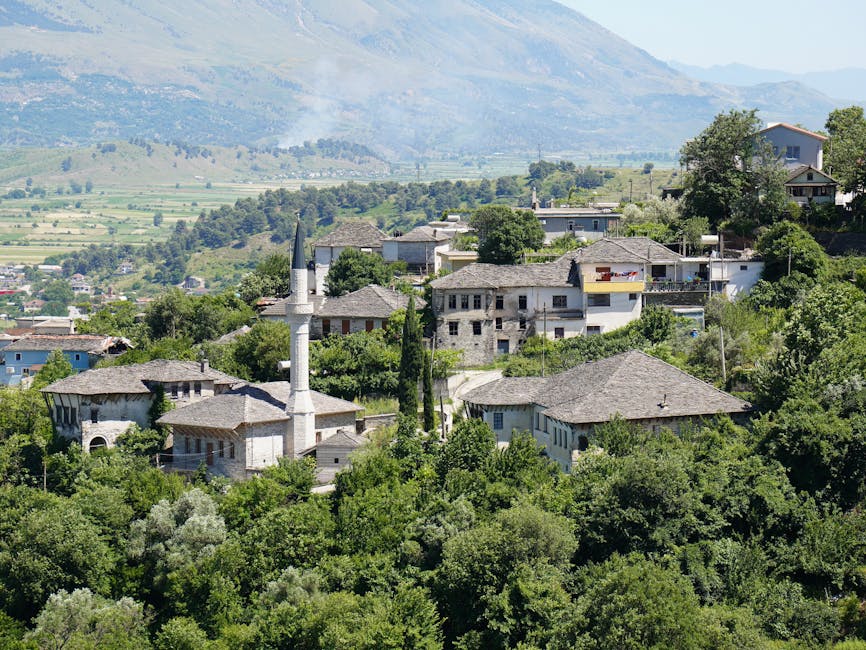
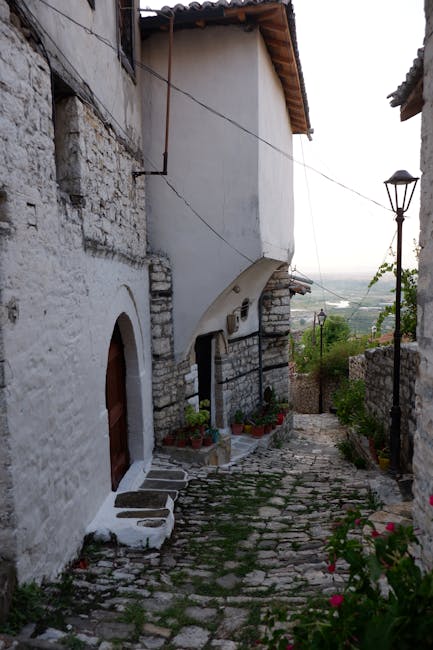
In rural areas and heritage towns (Berat, Gjirokastër), accommodation increasingly focuses on sustainability and authenticity. Guesthouses set in historic homes often provide simple but well-cared-for comfort, emphasising local heritage: traditional cuisine, local materials (stone, wood) and staff from the community. Rates are attractive: €25–70 per night depending on level and season.
Rural accommodations sometimes follow different standards: wood heating, locally produced breakfast items (cheeses, jams, homemade bread), recycling restrictions and limited water supply. These properties support heritage conservation and often offer immersive activities: cooking workshops, guided hikes, farm visits. A typical stay in a guesthouse in Berat includes a homemade breakfast served 08:00–10:00, an artisanally decorated room and the option to book a traditional dinner (€15–25 per person).
Sustainability initiatives: some hotels have installed solar panels, rainwater harvesting systems and use eco-friendly cleaning products. To support these efforts, ask at booking whether the hotel holds any labels or concrete actions (reduced single-use plastics, local sourcing). Local owners appreciate guests who engage with village life (shopping at markets, respecting cultural codes).
Practical advice: if you stay in mountain areas like the Albanian Alps (Theth, Valbona), be prepared for simpler infrastructure: sometimes difficult road access, intermittent hot water, limited heating outside peak season. Bring adapters, a flashlight and warm clothes for the night. Book through local contacts or specialised platforms to ensure reception and transport logistics.
Conclusion — Choosing the Right Hotel for Your Needs in Albania
The variety of hotel standards in Albania is both a strength and a challenge for the informed traveler. From family-run guesthouses and heritage guesthouses to modern four- and five-star hotels, there’s an option for every type of trip: budget, cultural, seaside or luxury. Your choice will depend on priorities: material comfort (bedding, air conditioning), services (spa, dining, shuttles), local immersion (guesthouses, artisanal cuisine) or logistics (proximity to the airport, parking, meeting rooms).
To optimise your experience, follow a few simple rules: check recent multi-platform reviews, contact the hotel directly to confirm inclusions (breakfast, Wi‑Fi, transfers), ask for an official invoice for business payments, and prefer properties with 24-hour reception if you’re arriving late. In high season, book well in advance, especially on the Albanian Riviera, and look for flexible cancellation options if your plans may change. Finally, carry some lek in cash for small expenses and always keep copies of your bookings and communications.
Whether you’re after a simple night in Tiranë, a seaside spa retreat or an authentic stay in a stone house in Berat, Albania offers an evolving range of accommodation. Standards are steadily improving thanks to private investment, infrastructure development and growing tourist demand. By learning the standards described in this guide, you’ll be able to pick the place that truly matches your expectations and enjoy a smoother, more comfortable and memorable stay.