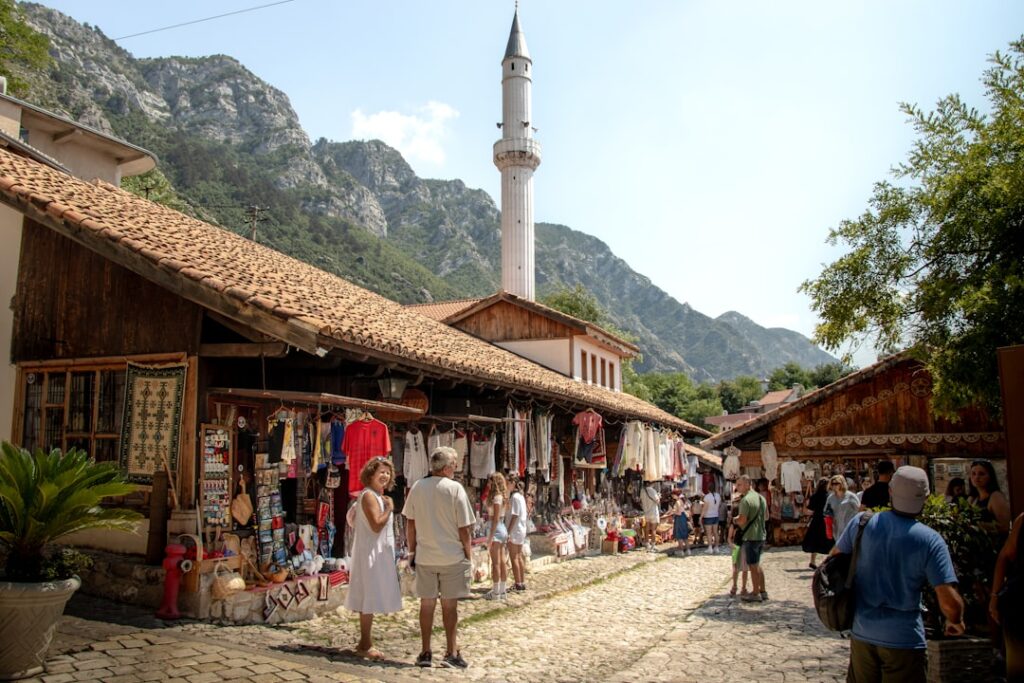






Introduction — Why Go Backpacking in Albania: Budget, Nature and Authenticity
Albania is one of the most appealing destinations for independent travelers, backpackers and budget-conscious adventurers looking for an affordable, sustainable and off-the-beaten-path trip. Between the Adriatic and Ionian coasts, wild mountains, Ottoman towns and visible remnants of the communist era, the country delivers a huge variety of landscapes and experiences at costs generally much lower than in other European countries. For eco-aware backpackers, Albania combines cheap accommodation, accessible local transport and plenty of low-cost outdoor activities (hiking, beaches, village exploration).
This guide is designed to give you a step-by-step plan to organize an inexpensive and sustainable trip to Albania — from arrival and daily budgets to practical tips for reducing your environmental footprint. You’ll find exact addresses (squares, monuments, hostels or local address descriptions), prices in euros for common services (transport, museums, accommodation), indicative opening hours, immersive place descriptions and local tips to save money without sacrificing the experience.
Traveling cheaply in Albania does not mean compromising comfort or safety: the country has a widespread network of minibuses (« furgons »), an expanding offer of hotels and hostels, and local markets where you can eat well for little. For a greener trip, favor collective transport, eco-conscious or certified accommodations, buying directly from local producers and cutting plastic waste — choices that are good for both the planet and your wallet. The guide below breaks down a sample itinerary, recommended daily budgets, useful addresses (visitor centers, museums, national parks), and local tricks to make the most of Albania.
Before you go, note that the local currency is the Albanian lek (ALL), though euros are widely used in tourist areas; paying in lek will usually save you a poor exchange rate. For ease of comparison, all prices in this guide are shown in euros. Conversions are rounded and indicative: allow a small buffer for bank fees and cash withdrawals.
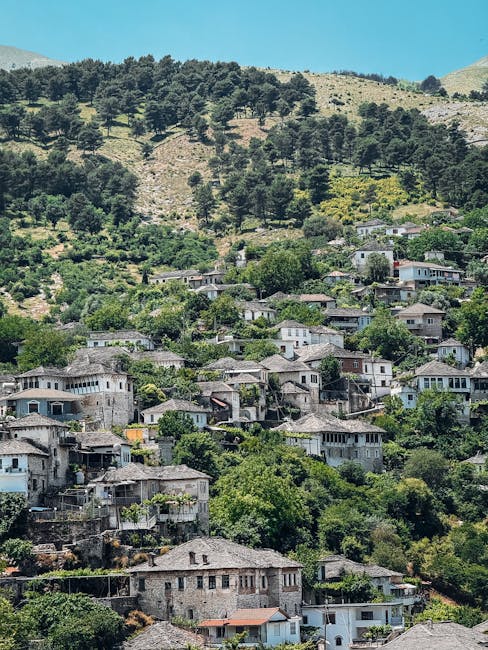
1. Arrival, Formalities and Getting Around: Save Time and Money
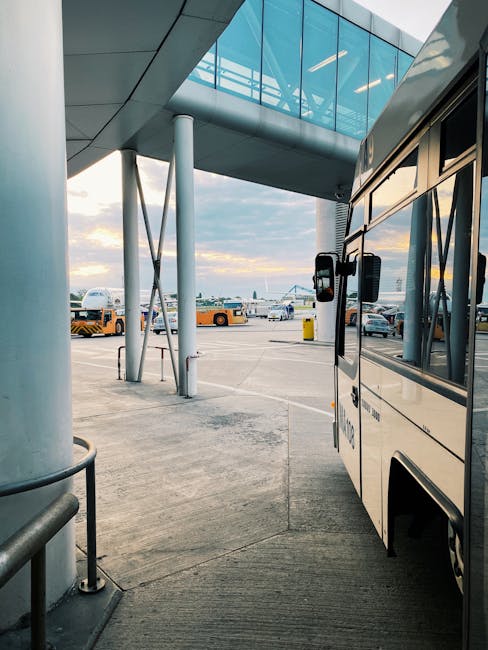
Tirana International Airport (Nënë Tereza / Mother Teresa Airport, Rinas) is the main entry point. Address: Rinas Airport, Rinas 1501, Albania. Flight schedules vary by season; the airport handles international flights 24/7, but services like shuttles have reduced hours at night. To get to central Tirana (Sheshi Skënderbej), you have several options:
- Official shuttle bus: Tirana Airport Bus (city center route) — runs roughly every 30–60 minutes. Indicative price: 300 ALL (~€2.5). Duration: 25–35 minutes depending on traffic.
- Shared or private taxi: roughly 1,500–2,000 ALL (~€12–16) to central Tirana; agree the fare beforehand or use the e-call/local taxi app. Available 24/7 outside the terminal.
- Car rental: several international and local agencies at the airport (book ahead). Renting is great if you want freedom to explore southern beaches (Himarë, Dhermi, Ksamil) or northern mountains, but it raises the budget.
For getting around inside the country, prioritize these economical, low-impact options:
- Intercity furgons (minibuses): dense network between towns. Example: Tirana — Sarandë in high season costs €10–15 per person, with departures in the morning and late afternoon from the central bus station (Rruga Dritan Hoxha / Bus Terminal, Tirana). Minibuses usually leave when full, so be flexible. Tip: arrive 30–60 minutes early to secure a seat.
- Regular buses: slower but more comfortable than furgons, with similar or slightly lower fares. Example: Tirana — Shkodër around €3–5; frequent departures from the central bus station.
- Trains: limited rail network, useful for a few local links (e.g., Durrës — Shkodër). Trains are cheap but often slow with restricted schedules.
- Rideshares and tourist buses: for popular routes (Tirana — Ksamil) private tourist services offer fixed fares (€15–25), often more comfortable and easier with large backpacks.
Money-saving practical tips:
- Take morning departures when possible (fewer delays and better light for scenery), especially for mountain routes.
- Buy tickets at the official counters or terminals to avoid excessive commissions; always keep your receipt.
- Use local collective transport for short urban hops (shared taxis, minibuses) and avoid frequent private taxis that quickly blow your budget.
2. Suggested Route and Budget-Friendly, Sustainable Places to Stay
A classic 10–14 day backpacking route mixes the capital Tirana, the southern coast (Durrës, Vlorë, Himarë, Dhermi, Ksamil, Sarandë), and at least one UNESCO town like Berat or Gjirokastër. Below is a sample itinerary with low-cost, eco-minded accommodation options, addresses and approximate prices in euros.
Days 1–2: Tirana
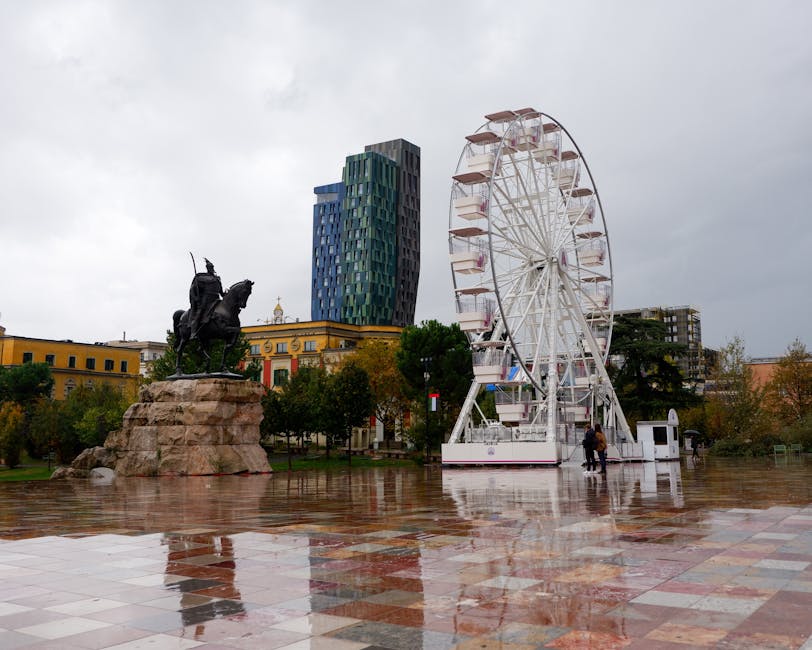
- Visit Sheshi Skënderbej (Sheshi Skënderbej, Tirana 1001): the central square surrounded by the National Historical Museum and Et’hem Bey Mosque.
- Budget stay: « Hostel Albania Backpackers » (example address: Rruga Ismail Qemali 32, Tirana 1001) — dorm beds from €8–12/night; private rooms €20–35.
- Sustainability tip: look for hostels that recycle and offer water-saving showers.
Days 3–6: South Coast — Vlorë, Himarë, Dhermi, Ksamil, Sarandë
- Tirana → Durrës (possible ferry) or direct bus to Vlorë: fares €4–10.
- Beach and village: Dhermi Beach (Dhermi Beach, Himarë Municipality) — public access is free; sunbeds cost about €3–6 depending on season.
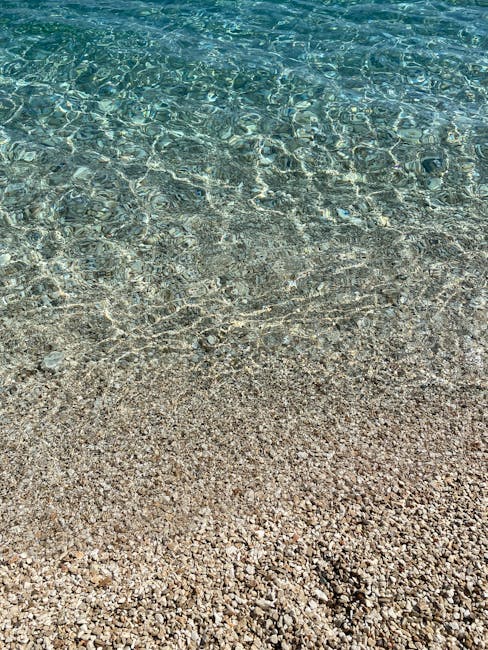
- Ksamil Beach, Ksamil, Sarandë 9704 — famous for small islands and turquoise waters; kayak or paddleboard rentals around €7–15/hour.
- Budget accommodation: « Hostel Saranda Center » (Rruga Butrinti, Sarandë 9701) — dorm beds €10–15, private doubles €25–40.
Days 7–9: Gjirokastër and Berat (cultural heritage)
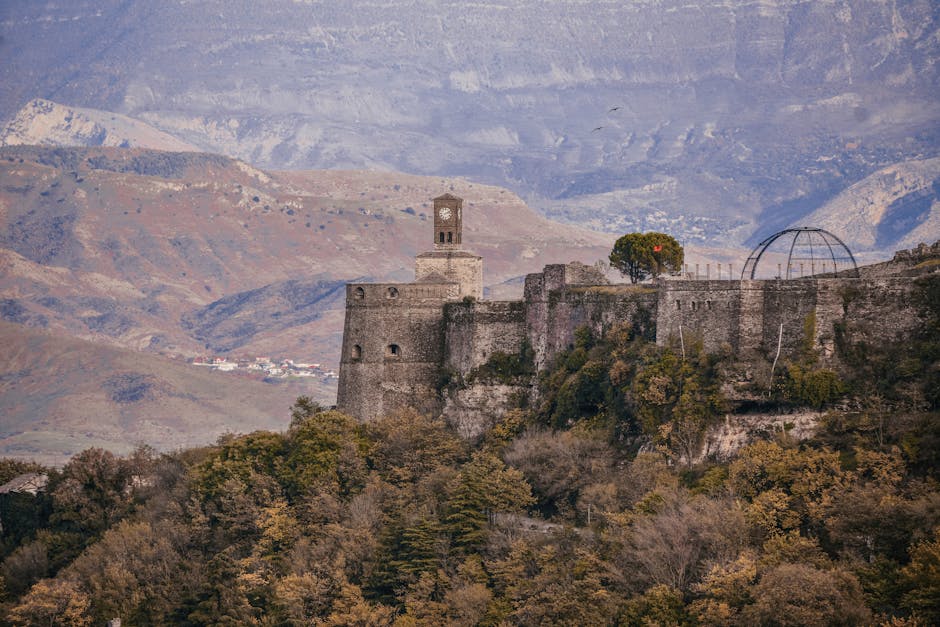
- Gjirokastër Castle (Kalaja e Gjirokastrës, Rruga Skënderbeu, Gjirokastër 6001) — entrance fee to the castle about €4–6; museum typically open 09:00–17:00 (check season).
- Berat (Museum City), stroll through the Mangalem quarter and visit the Onufri Museum (Berat Castle, Berat 5001) — Onufri Museum entry around €2–5; hours usually 09:00–16:00.
- Budget stays: small family-run guesthouses in the old town, €12–30 depending on season. Example: « Guesthouse Vila 21 » (Rruga Çerçiz Topulli, Berat).
Savings options and advice:
- Favor family guesthouses to support the local economy: many include breakfast, provide linens and offer free local hiking tips.
- Travel in shoulder seasons (spring and autumn) to get lower prices and fewer crowds; many places close in January–February.
- If traveling in a group of 2–3, renting a local apartment can cost as little as €20–35 per person and lets you cook to cut food costs.
3. Food, Local Markets and Cheap Eats (with addresses and prices)
Eating in Albania is both cheap and delicious. The cuisine blends Mediterranean and Balkan influences: byrek (savory pie), tavë kosi (yogurt-baked lamb), qoftë (meatballs), fresh seafood on the coast and seasonal vegetables. Here’s a selection of budget-friendly places and typical prices so you can taste the local flavors without overspending.
In Tirana:
- Restaurant « Oda » — address: Rruga Papa Gjon Pali II, Tirana 1001. Traditional Albanian dishes in a folkloric setting. Main courses €6–12; mezzes and small plates €3–6; hours 10:00–23:00 (check season).
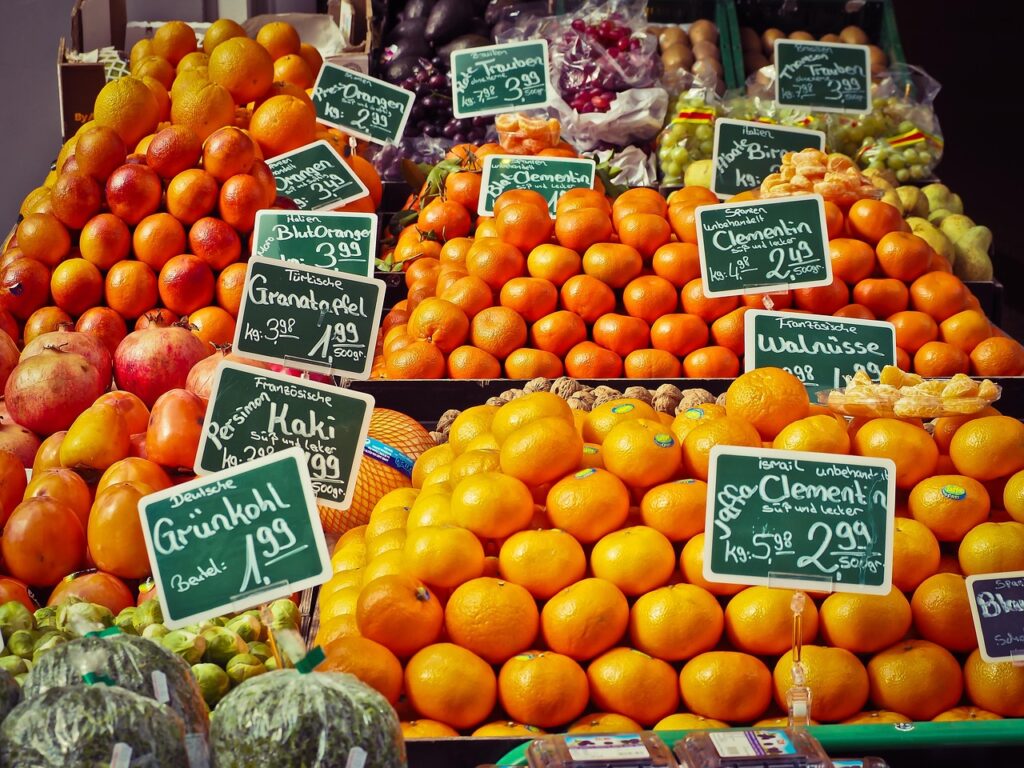
- Pazari i Ri Market (Pazari i Ri, Tirana) — colorful hall of fruits, vegetables, spices and fresh produce. Street food: byrek €0.50–1.50; Turkish coffee €0.50–1; hours 07:00–19:00.
- Budget option: snack stalls near universities selling cheese and vegetable sandwiches for €1–2.
On the coast:
- Sarandë — « Taverna Limani » (Rruga Pavarësia, Sarandë 9701) serves fresh fish; fish dishes €8–15 depending on type. Hours 11:00–23:00.
- Ksamil — small beach kiosks selling grilled squid, salads and mezzes from €4–7; longer hours in high season (09:00–22:00 or later).
Sustainable and budget tips:
- Buy fruit, vegetables and cheese at local markets to cook if your place has a kitchen. It saves money and supports local producers.
- Avoid single-use plastic bottles by carrying a refillable bottle or a filter bottle and using hostel refill points; tap water in many tourist accommodations is drinkable after checking locally.
- Choose restaurants that feature local, seasonal dishes — they’re often cheaper and use ingredients sourced nearby, lowering the meal’s carbon footprint.
4. Nature Activities, Hikes and National Parks: Free and Low-Cost Options
Albania offers staggering natural variety: lakes, gorges, mountains and a spectacular coastline. Many activities are free or very affordable if you stick to hiking, swimming and wildlife watching. Below are must-do outdoor experiences with addresses, opening times and entrance fees when applicable.
Syri i Kaltër (Blue Eye)
- Address: Syri i Kaltër (Blue Eye Spring), Muzinë, Përmet region — GPS is useful from Gjirokastër or Sarandë. Hours: typically 08:00–19:00 in summer, shorter in low season. Entry: around 200–400 ALL (~€1.5–3.5) depending on local management. The site is a deep, intensely blue spring fed from an underground source — the depth is impressive and it photographs beautifully.
Lakes and mountains
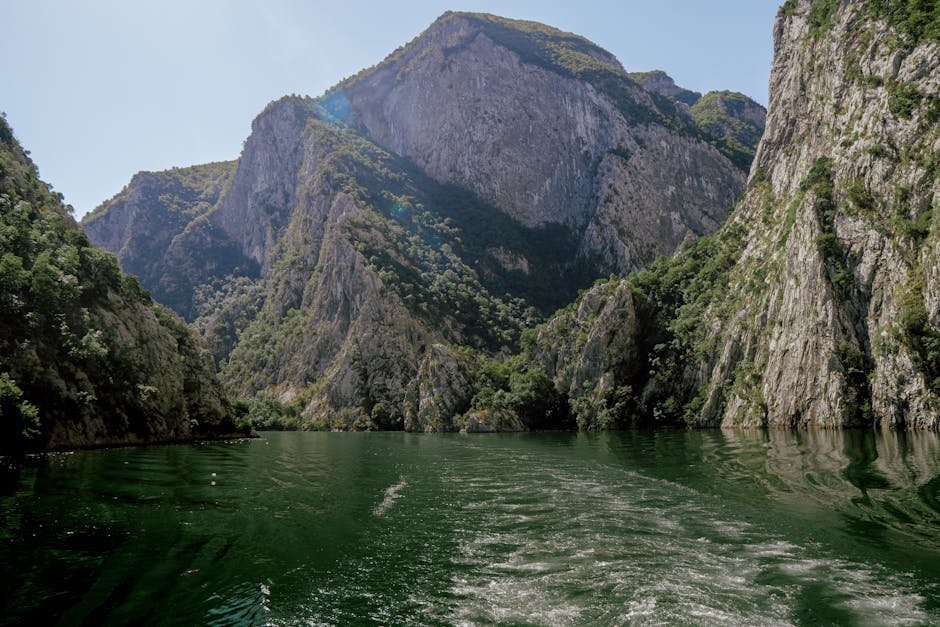
- Koman Lake ferry crossing (Ferry Koman Lake, Koman Ferry Terminal): one of Europe’s most dramatic boat journeys, linking Koman with Fierza. Price: €7–12 depending on season and class. Schedule: morning and afternoon departures, variable with demand (book in high season).
- Theth National Park (Theth Village, Shkodër region): access via rough road from Shkodër (about 3–5 hours). Accommodation: local guesthouses €10–20/night. Activities: hike to Theth waterfall (Rruga e Thethit), visit the Blue Eye of Theth (icy pool); most trails are free, optional guided tours €10–20.
Tips to reduce environmental impact:
- Stick to marked trails, pack out your trash and cut down on plastic. Rural areas often lack waste sorting systems — take your rubbish with you where possible.
- If booking guided activities (hikes, kayaking), choose local guides and small family-run operators: the experience is richer and money stays in the community.
- In high mountains be prepared for sudden weather changes and check routes with local tourist offices before setting out.
5. Safety, Health, Daily Budget and Local Tips
Albania is generally safe for solo travelers, but as everywhere, sensible precautions are recommended. Below are practical tips on health, budgets and local advice to travel responsibly without overspending.
Safety and health:
- Vaccinations: no specific vaccinations are required for most travelers entering Albania; check your country’s health advice before departure.
- Pharmacies: mostly open during daytime, some have 24-hour on-call services in cities. Example: Farmacia 10 (Rruga Abdi Toptani, Tirana) — typical hours 08:00–20:00, on-call hours vary.
- Travel insurance: highly recommended. Mountain rescues can be costly and evacuations slow; insurance that covers repatriation and outdoor activities is a must.
Recommended daily budget (for a frugal backpacker):
- Accommodation: €8–20 (hostels, homestays).
- Meals: €6–12/day if you mix market/casual food and inexpensive restaurants.
- Transport: €3–15 per trip depending on distance (typical intercity furgon €5–15).
- Activities: many nature activities are free; museums €2–6; guided excursions optional €10–30.
- Average recommended daily budget: €25–45 for a comfortable but economical trip.
Local and cultural tips:
- Learn a few Albanian words: « Faleminderit » (thank you), « Përshëndetje » (hello). Albanians appreciate the effort and will often be warmer in return.
- Haggling: it’s common for unofficial taxis and some market items; stay polite and always ask the price before accepting a service.
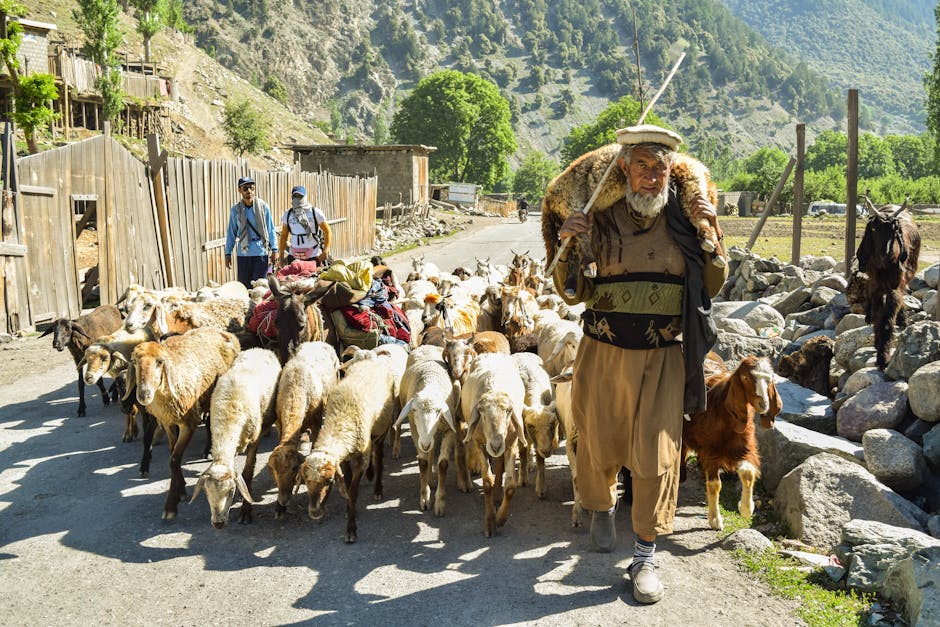
- Respect traditions: in villages and small places of worship dress modestly; in mountain areas respect local practices and ask permission before photographing elderly people or intimate family situations.
Conclusion — Traveling to Albania: A Great Balance of Budget, Authenticity and Environmental Respect
Albania proves to be an ideal destination for backpackers who want to combine low costs, authentic discoveries and responsible travel. From the Ottoman lanes of Berat and Gjirokastër to the preserved beaches of the Albanian Riviera and the dramatic panoramas of the northern mountains, there’s something to amaze every kind of traveler. By favoring collective transport, local stays and markets, you’ll not only lower your expenses but also shrink your ecological footprint while contributing to the local economy.
This guide has given you a practical plan: how to arrive in Tirana and get around, a sample 10–14 day route, budget and sustainable accommodation options, cheap eats, nature activities with prices and opening times, plus health and safety tips. Remember that prices change with season and local conditions, and it’s always wise to check museum, ferry and furgon schedules and availability before you go.
In short: travel curious, flexible and respectful — Albania rewards patient, open-minded travelers. Pack a good pair of shoes, a reusable water bottle, a basic first aid kit and a willingness to talk to locals. You’ll find spectacular scenery, genuine hospitality and unforgettable flavors. Have a great trip and happy backpacking in Albania — save money, learn and respect the places and people that make this country special.