





Introduction — Best time to visit Albania by region: overview and practical tips
Albania, a land of dramatic landscapes and a spectacular Adriatic and Ionian coastline, features significant microclimates depending on the region. Picking the right time to go depends on what you want: sandy beaches, Ottoman-era towns, mountain national parks, city festivals or alpine hikes. This season-by-season, region-by-region guide will help you plan an optimized trip with practical info: exact addresses, typical opening hours, prices in euros, vivid descriptions and local tips for each destination.
The country can be broadly divided into five tourist areas: the coast (Albanian Riviera, Durrës), the capital and central region (Tirana, Krujë), the historic south (Gjirokastër, Berat), the east and plateaus (Korçë) and the northern Alps (Theth, Valbona, Shkodër). Each zone has its best months: the coast shines in summer, historic towns are pleasant in spring and autumn, the mountains are ideal from late spring to early autumn for hiking, while winter brings snowy scenery but more limited services.
This guide targets a curious but discerning audience: hikers seeking refuges, cultural travelers visiting museums and castles, beach lovers searching for hidden coves and travelers after local experiences (markets, farm products, festivals). You’ll find exact addresses (streets and postal codes where available), prices in euros (average entrance fees and services), typical opening hours, and concrete tips — for example, when to avoid certain mountain roads in heavy rain or which month is best for swimming without the crowds.
Important: prices and opening hours given are averages for guidance (they can change with the season and local updates). Always check official sites or contact local tourist offices before you go. Secondary roads in Albania can be narrow and winding: a compact car and appropriate insurance are recommended, especially for the Riviera and northern mountain passes. Finally, respect local customs: small churches and mosques require modest dress, and markets appreciate politeness and friendly bargaining.
The coast and the Albanian Riviera: best time for beaches, diving and coastal villages
The southern coast, commonly known as the Albanian Riviera, includes well-known resorts like Dhërmi, Himarë, Sarandë and Ksamil. High season runs from June to August, offering crystal-clear Ionian waters and a lively beach scene. To enjoy the beaches without the crowds, aim for late May–June or September–early October: pleasant temperatures (22–28 °C), warm sea and more reasonable accommodation rates.
Concrete examples:
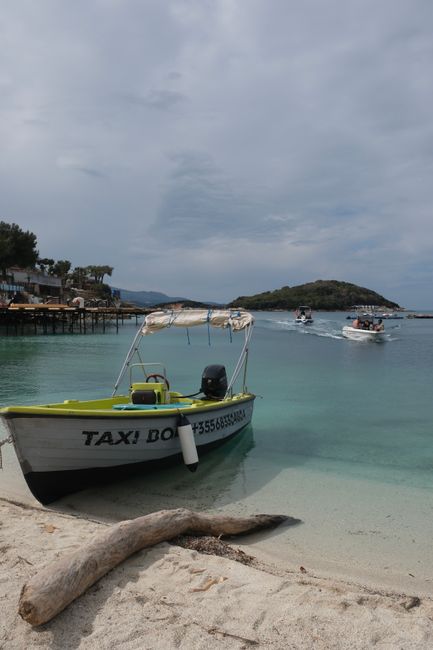
- Ksamil Beach — Address: Rruga e Plazhit, Ksamil 9704, Sarandë. Price: public beaches free; umbrella/chaise rentals roughly €6–€12/day depending on season. Hours: beach accessible 24h, restaurants 08:00–23:00. Description: emerald coves and islets reachable by water taxi (≈ €5–€10/person round-trip). Local tip: arrive early for a good spot and take the boat to the islets for snorkeling.
- Sarandë promenade and port — Address: Bulevardi Butrinti, Sarandë 9701. Price: promenade free; ferry to Corfu (seasonal) ≈ €20–€40 depending on route and season. Hours: bars and restaurants 09:00–01:00; ferry schedules vary (more frequent in high season). Description: lively seafront with cafés overlooking the sunset.
- Himarë, Livadh Beach — Address: Rruga e Plazhit, Himarë 9424. Price: free access, sunbeds/umbrellas €5–€10/day. Hours: beach facilities 08:00–20:00.
If you’re into diving, book between May and October. Dive centers: Blue Eye Diving Center (Rruga e Plazhit, Himarë) offers introductory dives from €60, exploration trips €80–€120, hours 08:00–18:00 by reservation. For lodging, favor small family-run guesthouses along the coast: off-season rates €25–€50/night, high season €60–€150/night depending on proximity to the sea.
Practical tips: avoid driving at night on narrow coastal roads during high season; park early near popular beaches. Bring cash (lek) for small purchases in villages, although most hotels and restaurants accept cards in towns. If you want authenticity, visit fishing villages like Qeparo or Borsh in May–June, when the tourist season is starting and local life is still very present.
Tirana and the central region: spring and autumn for museums, cafés and city life
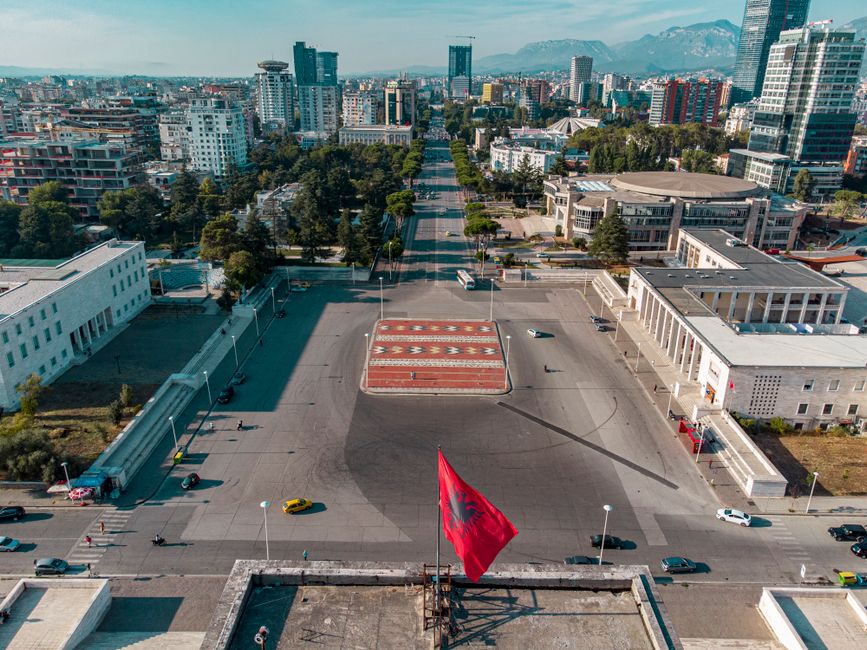
Tirana, the capital, shines in spring (April–June) and autumn (September–October), when the weather is mild and cultural activities are in full swing. You’ll avoid the heavy heat of July–August and the coastal tourist rush. The city mixes modern museums, historic squares and a burgeoning food scene.
Useful addresses and hours:
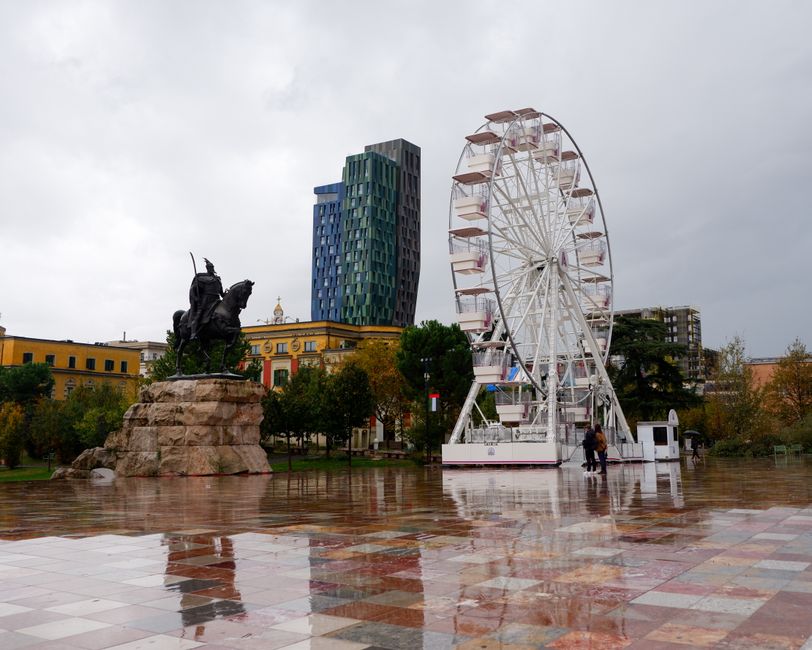
- Sheshi Skënderbej (Skanderbeg Square) — Address: Sheshi Skënderbej, Tirana 1001. Price: open access. Hours: square always open. Immersive description: central square surrounded by neo-classical buildings, cafés and kiosks; a great starting point for exploring on foot.
- National Historical Museum (Muzeu Historik Kombëtar) — Address: Rruga Dëshmorët e Kombit 23, Tirana 1001. Entry fee: ≈ €2–€4. Hours: 09:00–17:00 (closed on some holidays). Description: large mosaic on the facade, collections covering Antiquity through the communist era.
- Et’hem Bey Mosque — Address: Sheshi Skënderbej, Tirana 1001 (inside the square). Price: voluntary donation (€1 suggested). Hours: visits outside prayer times, generally 09:00–17:00. Description: interior frescoes and a peaceful atmosphere in the heart of the city.
For coffee and dining, explore the Blloku area (Rruga Andon Zako Çajupi area). Recommended restaurants: Artigiano at Vila (Rruga Ibrahim Rugova 62, Tirana 1001) serves Italian and Albanian dishes, starters €6–€12, mains €10–€20; hours 09:00–23:00. For a local market experience, visit the New Bazaar (Pazari i Ri) — Address: Rruga Sulejman Delvina, Tirana 1001 — a food market and cafés, open 06:00–20:00, with fresh produce and artisans.
Local tips: museums often close for lunch — check before you go. From Tirana, day trips are practical: Krujë and its castle (Kalaja e Krujës, Krujë 1501 — ticket ≈ €2–€4, hours 09:00–17:00), and the Riviera beaches (2–3 hours’ drive). The taxi network is good in the city but prefer Bolt for transparent pricing. Stay in the Blloku neighborhood if you want easy access to bars and restaurants for nightlife.
Historic south: Gjirokastër and Berat — spring, autumn and mild winter days
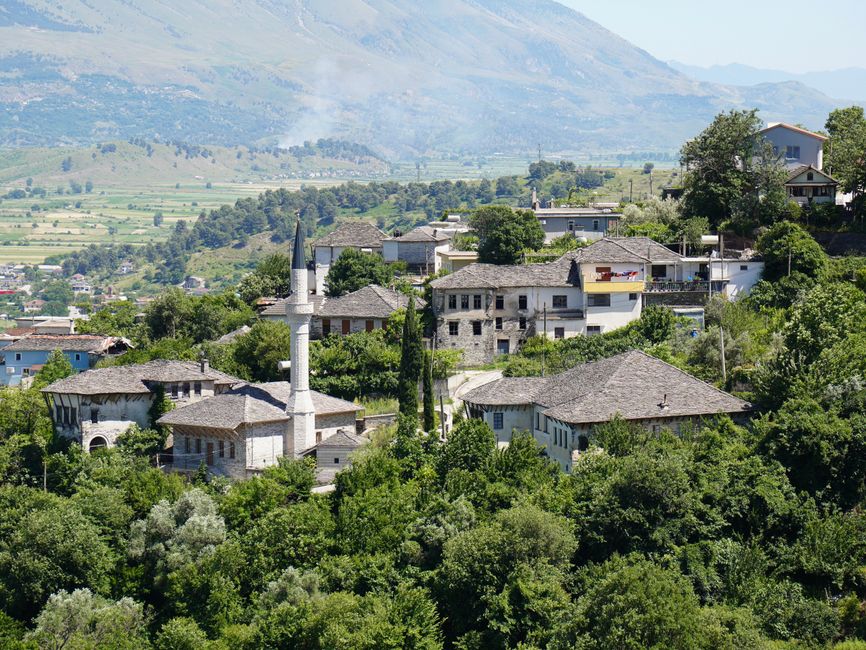
UNESCO-listed towns like Gjirokastër and Berat are especially pleasant in spring and autumn, when the light is soft and the cobbled streets are less crowded. Off-season temperatures remain moderate (10–20 °C), making visits to castles, museums and traditional houses very comfortable.
Highlights and practical information:
- Gjirokastër Castle (Kalaja e Gjirokastrës) — Address: Rruga e Kalasë, Gjirokastër 6001. Entry fee: ≈ €3–€5. Hours: 08:00–17:00. Description: imposing fortress overlooking the town, with military museums inside and panoramic valley views. Tip: visit in the late afternoon for golden light on the stone roofs.
- Museum of Traditional Houses (Gjirokastër) — Address: Rruga Ismail Kadare, Gjirokastër 6001. Price: ≈ €2–€4. Hours: 09:00–16:00. Description: Ottoman interiors, woodwork and craft objects; a glimpse into historic domestic life.
- Berat Castle (Kalaja e Beratit) — Address: Rruga Mangalem, Berat 5001. Price: castle access free; some museums inside ≈ €2–€5. Hours: 08:00–18:00. Description: the Mangalem quarter with whitewashed houses and rows of windows, earning the nickname « the town of a thousand windows. »
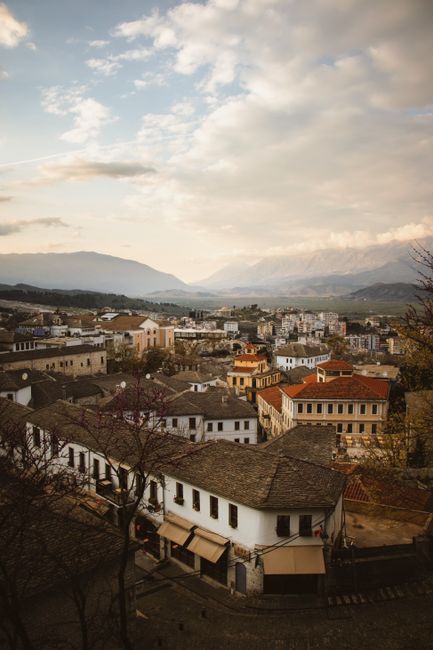
Visiting tips: favor morning walks to photograph stone roofs in soft light. In winter, some small guesthouses close; call ahead. The roads between Berat and Gjirokastër pass through agricultural landscapes and rolling hills — perfect for stopping at wineries and local producers. Festival to note: Gjirokastër’s folk festival (held every five years for some editions) attracts traditional groups — check dates if you want a deeper cultural experience.
The Northern Alps: Theth and Valbona — late May to September for hiking and alpine meadows
The Albanian Alps, with Theth and Valbona at their heart, offer outstanding hikes but very seasonal conditions. Passes are often closed in winter and access roads (especially to Valbona valley) can become impassable after heavy rain. The ideal hiking window is late May to mid-September: cleared trails, open refuges and blooming alpine pastures.
Practical info:
- Theth National Park — entry point: Theth Village, Theth 4306. Price: park access free; local hiking guides ≈ €30–€50/day. Hours: trails open 24h; local info offices 08:00–18:00 (seasonal). Description: Grunas gorge, Theth waterfall, stone mountain lodges; an authentic alpine village atmosphere.
- Valbona Valley National Park — entry point: Valbona Village, Valbonë 4414. Price: access free; seasonal boat/transfer between Valbona and Shkodër ≈ €5–€15 depending on option. Hours: mountain refuges 07:00–21:00 (seasonal). Description: karst peaks, colorful meadows and rustic guesthouse accommodations.
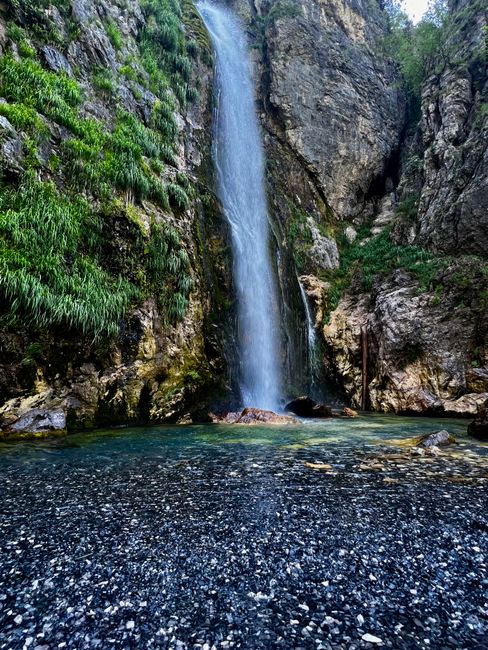
Local tips: hire a guide for off-trail routes (especially for the Theth–Valbona traverse); rates are negotiable and often shared among hikers. Pack warm layers (nights can drop to 5–10 °C even in summer) and sturdy hiking boots. If coming from Shkodër, the summer route via the Kelmend valley is scenic but slow — allow time. And please respect the environment: no open fires outside authorized areas and carry out your trash.
Korçë and the East: autumn for festivals and mountain villages
Korçë in the east is known for its continental microclimate and brewing and cultural traditions. Autumn (September–October) is the best time: harvest season, mild temperatures and cultural festivals make visits especially rewarding. The city and nearby villages (Dardhë, Voskopoja) offer Orthodox architecture, historic cafés and museums.
Practical addresses:
- Museum of Medieval Art (Korçë) — Address: Rruga Sulo Idrizi, Korçë 7001. Price: ≈ €2–€3. Hours: 09:00–17:00. Description: icons, frescoes and medieval religious artifacts in a restrained setting.
- Korçë Brewery tour (Birra Korça) — Address: Rruga 13 Nëntori, Korçë 7001. Price: guided tour ≈ €5–€10 (depending on tasting option). Hours: tours arranged 10:00–16:00 by reservation. Description: discover a local brewing tradition and sample craft beers.
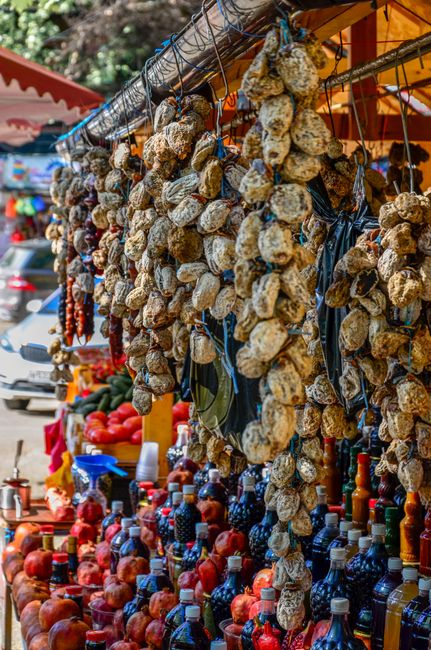
Practical tips: for a food-focused route, combine Korçë with visits to cheese farms around Dardhë. Mountain roads are passable but sometimes narrow; allow extra time and drive carefully. Winters can be harsh with snow — some guesthouses close — so plan transport and accommodation ahead when traveling off-season.
Conclusion — Summary and final recommendations to choose the best time
Picking when to visit Albania means prioritizing what you want: beaches and nightlife in summer on the Riviera; cultural exploration, cafés and museums in Tirana, Berat and Gjirokastër in spring and autumn; alpine hikes in the northern Alps from late May to mid-September; and local festivals and farm products in Korçë in autumn. Practically speaking, always check seasonal opening hours for museums and refuges, and make accommodation reservations for high season (June–August) and during festivals.
To recap a few concrete tips: prefer May–June or September for a good balance of weather, crowds and prices; pack layers for temperature swings (especially in the mountains); rent a compact car if you plan to explore the Riviera and remote villages; use Bolt or local taxis for urban travel in Tirana; and always carry cash (lek) for small rural purchases. Above all, respect local communities, try specialties (byrek, qofte, mountain dairy products, grilled coastal fish) and enjoy Albanian hospitality — often the best season to discover the country is not only about the weather, but the moment you’re ready to immerse yourself.
Safe travels and happy discoveries: Albania reveals itself to those who take the time to tailor their itinerary to the seasons and regions — this guide will help you do that with confidence.