





Introduction — Why Albania Is Much More Than Its Beaches
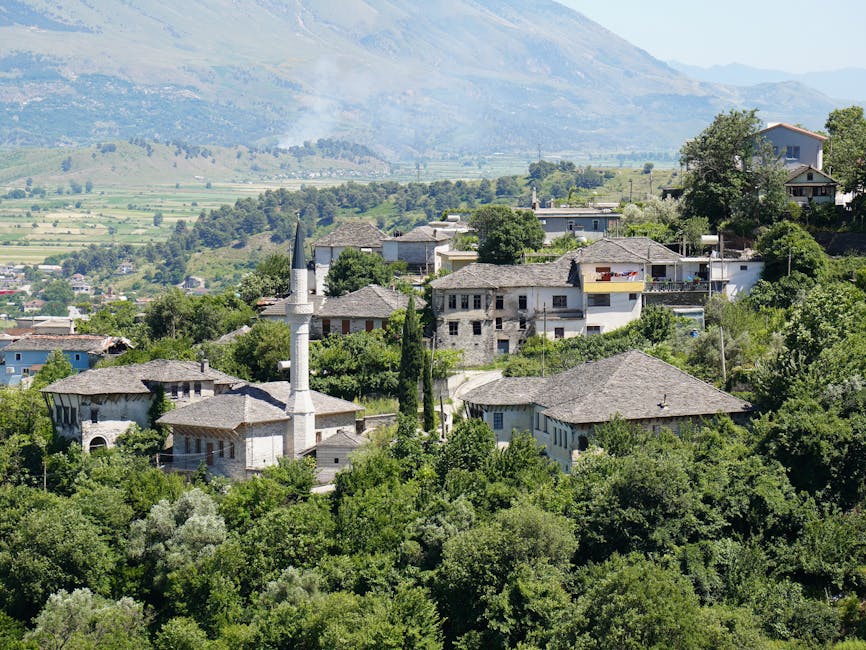
Albania is still too often reduced to its pristine beaches and turquoise coves along the Albanian Riviera. But sticking to the coast means missing out on a country whose deep history, rich culture and diverse landscapes offer experiences as compelling as a lazy day by the sea. From Tirana to Gjirokastër, Berat to Shkodër, Albania boasts surprising museums, imposing castles, well-preserved Ottoman quarters, bunkers repurposed as museums and crafts that tell stories of centuries of cultural exchange and influence.
This guide is an invitation to dive in: it doesn’t aim to list beaches, but to map out routes, museums, restaurants, markets and local experiences that reveal the country’s soul. You’ll find specific addresses, indicative opening hours, prices in euros and practical tips — from the best time to visit a museum to how to haggle in a traditional bazaar. The tone is informative and professional, designed to help you plan days full of cultural, culinary and human discoveries.
Expect to explore places like Skanderbeg Square in Tirana, the National Historical Museum, bunkers turned into contemporary museums, UNESCO-listed Ottoman neighborhoods, and lesser-visited archaeological sites such as Apollonia or Butrint. You’ll also discover the Albanian way of life: family taverns, afternoon coffee rituals, herb markets and artisan traditions passed down through generations.
Albania is a land of contrasts where urban and rural mix, where modernity tries to coexist with relics from both recent and distant pasts. People are often curious and welcoming: a smile, an invitation to share a coffee or a glass of raki can turn a simple visit into a memorable exchange. This guide will give you the keys to understand those interactions: where to go, when to go, how much to budget, and how to immerse yourself without imposing. Get ready to revise your preconceptions — cultural Albania is vast, nuanced and ready to surprise.
Tirana: The Beating Heart Between History, Contemporary Art and Lively Markets
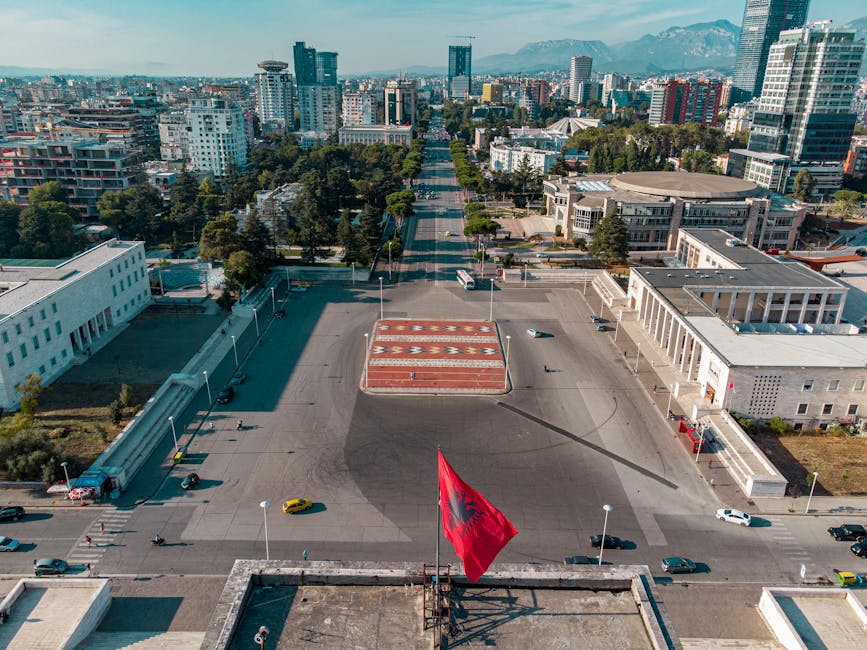
Tirana, a buzzing capital, is the perfect gateway for cultural immersion. Skanderbeg Square (Sheshi Skënderbej) is the city’s symbolic center: framed by historic buildings and modern institutions, it’s also the starting point for many tours. Address: Sheshi Skënderbej, 1001 Tirana. Nearby, the National Historical Museum (Muzeu Historik Kombëtar) sits right on Skanderbeg Square; official address: Sheshi Skënderbej, 1001 Tirana. Opening hours: usually 09:00–17:00 (sometimes closed on Mondays). Price: ≈ €2–4 (reduced rates for students and seniors).
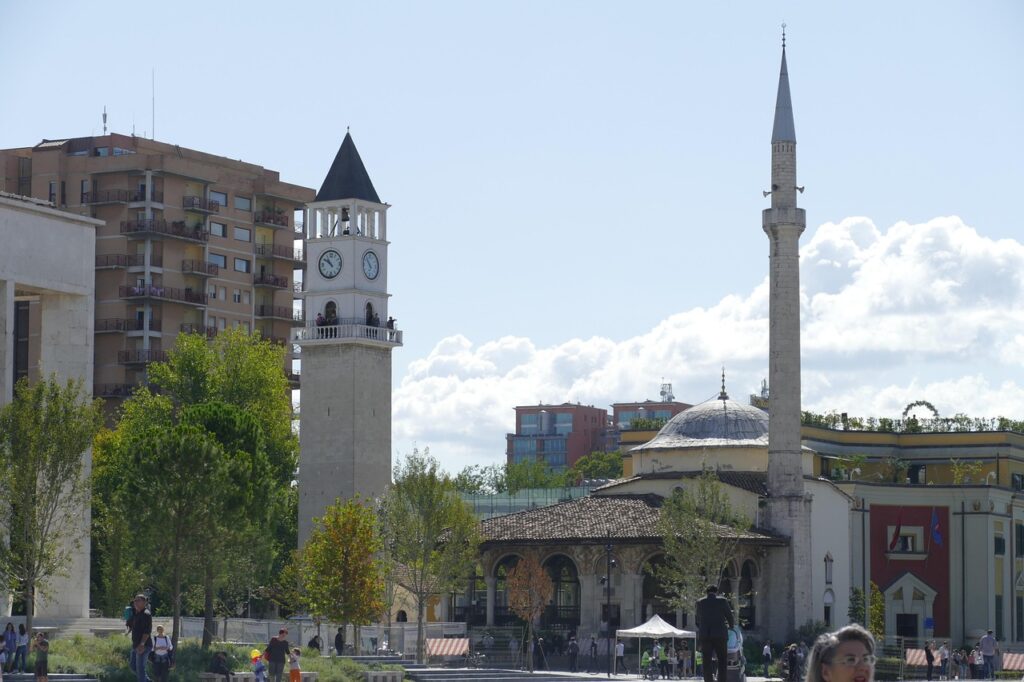
Within walking distance you’ll find the Et’hem Bey Mosque (Madruga Et’hem Bey) — entry is free but respect prayer times — and the Pyramid of Tirana (Piramida, Rruga Dëshmorët e Kombit, 1001 Tirana), a Soviet-era monument recently repurposed as an urban space and an alternate viewpoint. For a dive into the more recent communist-era history, visit Bunk’Art 1 (a museum installed inside a nuclear bunker). Address: Rruga Farka e Madhe, Tirana 1010 (verify locally), typical hours 10:00–18:00, price ≈ €5–8.
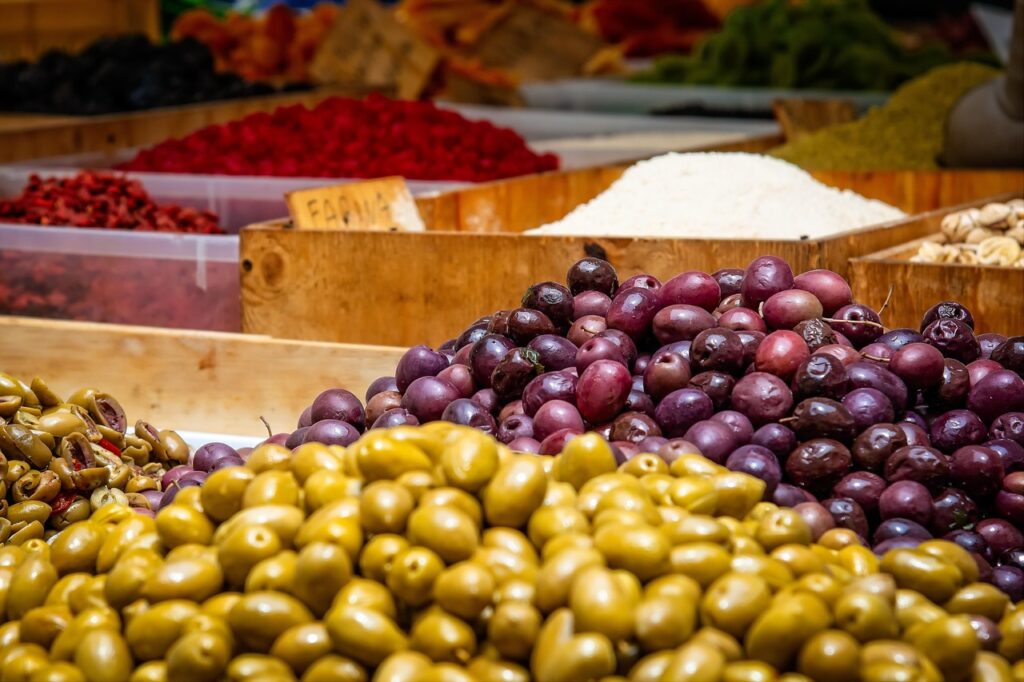
Tirana is best explored on foot: stroll along Dëshmorët e Kombit boulevard to observe the city’s transformation, then lose yourself in the New Bazaar / Pazari i Ri (Rruga Myslym Shyri, 1001 Tirana) to soak up the scents of spices, sample local cheeses and buy herbs. Market hours: generally 07:00–22:00; many stalls start closing around 20:00. Practical tip: bring cash (euros or lek) for small purchases; compare prices and don’t hesitate to ask « sa kushton? » (how much is it?).
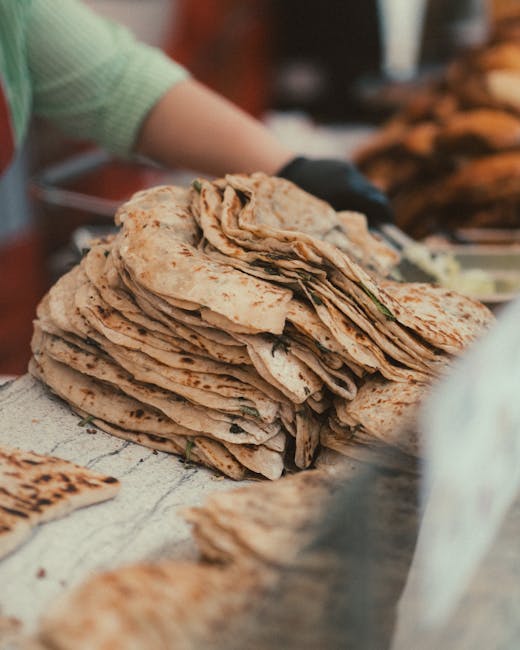
For traditional food in an authentic setting, head to Restaurant Oda (Rruga Ismail Qemali 10, 1001 Tirana). Hours: 12:00–23:00. Typical dishes: byrek (savory pastry) ≈ €1.50–2.50, tave kosi (meat baked with yogurt) ≈ €6–10. For a cultural coffee experience, try Komiteti – Kafe Muzeum (Rruga Muzakë Topalli), a retro spot mixing coffee and design, often open 08:00–01:00.
North: Shkodër and Rozafa — History, Lake Scenery and Living Traditions
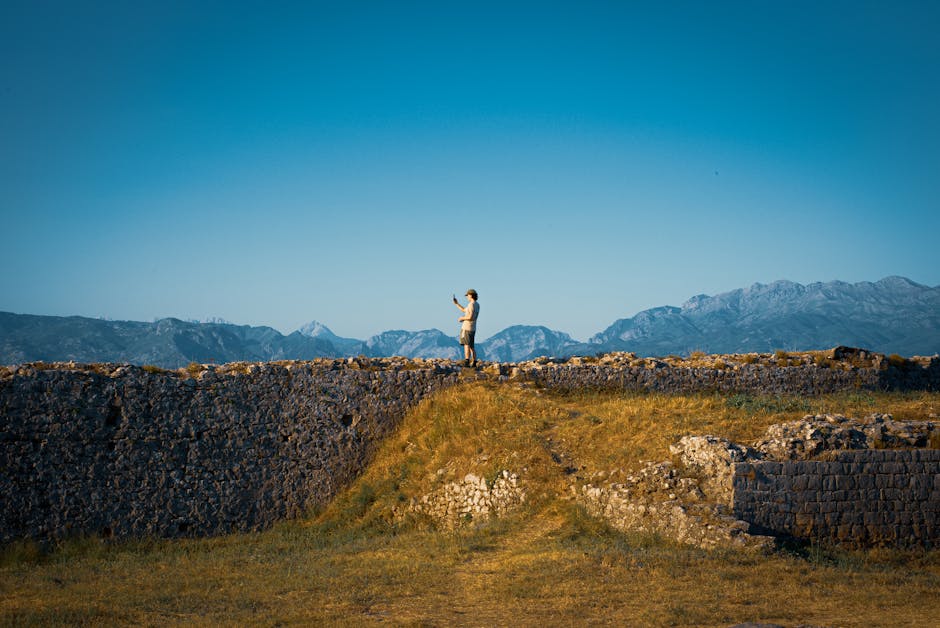
Northern Albania offers a different cultural palette: Shkodër is a pivotal city where histories and cultures meet. The Rozafa Castle (Kalaja e Rozafës) overlooks the town and Lake Shkodër; general address: Rozafa Castle, Shkodër 4001. Opening hours: around 08:00–18:00; entrance ≈ €2–4. The climb rewards you with panoramic views of the town, the lake and, on clear days, the Prokletije mountains.
In downtown Shkodër, stroll along the main avenue near the Museum of the History of Shkodër (Rruga Kole Idromeno, Shkodër 4001). The museum houses important archaeological and ethnographic collections that help explain northern Albanian culture. Approximate hours: 09:00–16:00; price ≈ €1.50–3.
Shkodër is also a gateway to regional craft workshops: leatherworking, weaving and lutherie producing traditional instruments (lahuta). Visit the artisans’ quarter to watch leather and wood crafts being made — ask locally for guided visits or request recommendations from the museum staff.
Practical tips: for lunch, try family-run restaurants serving fresh lake fish or local raki alongside speca me gjize (peppers stuffed with cheese). Typical price for a traditional meal: ≈ €6–12. Transport: Shkodër is easily reached by bus from Tirana (about 2 hours, fares ≈ €6–10 depending on service). The best times to visit the lake are spring and autumn, when colors are vibrant and the light is ideal for photos.
Historic South: Gjirokastër, Berat and the Reflection of Old Stones
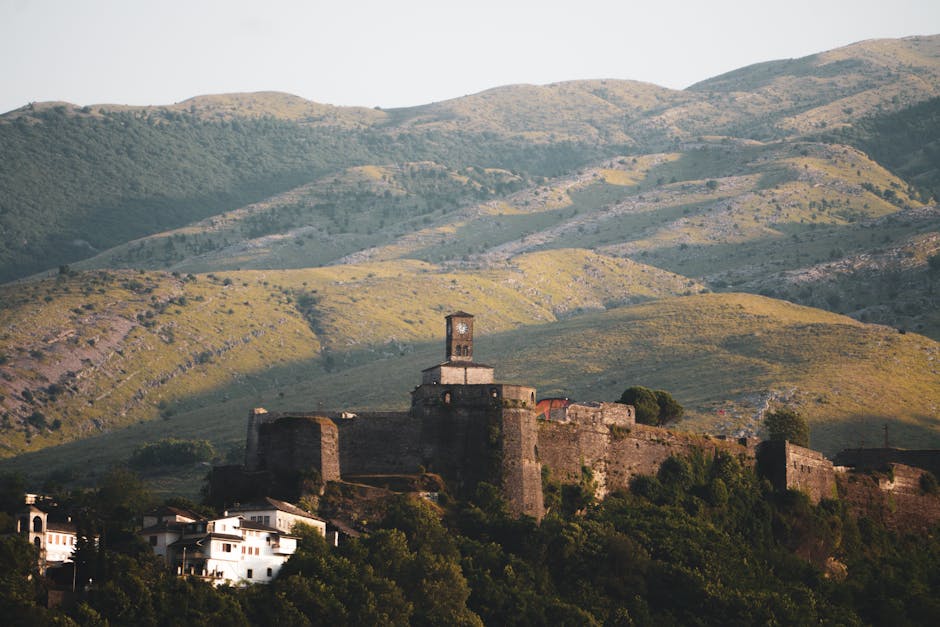
The inland south of Albania is a meeting with time itself. Gjirokastër, a UNESCO-listed museum town, is famed for its stone tower houses and its imposing castle. The Gjirokastër Castle (Kalaja e Gjirokastrës) is located at Rruga S.Zeqo, Gjirokastër 6001. Hours: usually 08:30–17:00; price ≈ €3–5. Inside the fortress you’ll find the Ethnographic Museum (often included in the ticket) and exhibits about local resistance and history.
To understand Ottoman architecture and traditional urbanism, wander Gjirokastër’s old town: Rruga Çerçiz Topulli and the surrounding alleys host house-museums, artisan workshops and small shops. Don’t miss the birthplace of the writer Ismail Kadare (a memorial house), which is often accessible by appointment or through local tourist offices.
Berat, nicknamed the « town of a thousand windows, » is another gem. The Mangalem quarter and the citadel (Berat Castle) immerse you in a Byzantine and Ottoman architectural fabric. Citadel address: Kalaja e Beratit, Mangalem, Berat 5001. Hours: 08:00–19:00; price ≈ €2–4. Inside the fortress several historic churches and mosques can be visited, including the Church of St. Mary and the King’s Mosque.
Regional food tip: try southern specialties — fërgesë (a dish made with peppers, tomatoes and cheese) and pula me oriz (chicken with rice). Small family-run restaurants in Berat and Gjirokastër offer meals for ≈ €5–10. For craft lovers, buy a locally woven blanket or traditional jewelry in the citadel shops.
Archaeology and Nature: Apollonia, Butrint and the Rural Heartland
Albania holds often-overlooked ancient heritage. The site of Apollonia is an ancient Greco-Roman city near Fier: general address Rruga e Apolonisë, Përmet/Ardenicë, Fier 6001 (Apollonia archaeological site). Hours: generally 08:00–17:00; price ≈ €3–5. The site includes a museum, columns, a theater and mosaics — a perfect spot for a contemplative visit away from the crowds.
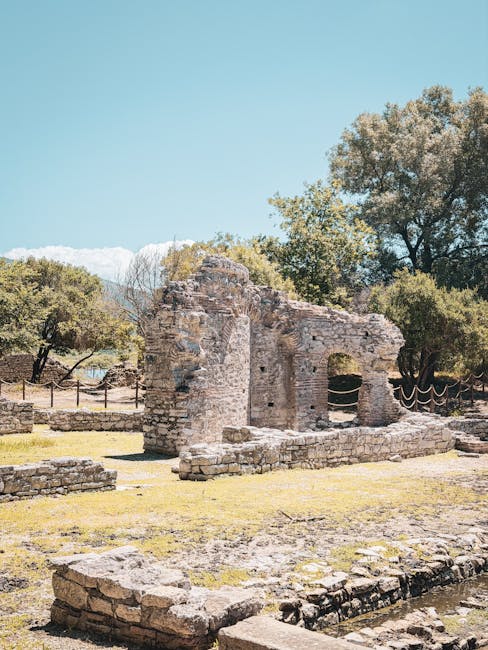
Further south, the Butrint National Park (Butrint) near Sarandë is a UNESCO archaeological ensemble, mixing Greek, Roman, Byzantine and Venetian remains. Address: Butrint National Park, Butrint, Sarandë 9706. Hours: often 08:00–19:00 in season; price ≈ €3–6. Take the trails that wind between ruins and the surrounding marsh to build a visit that blends archaeology with biodiversity: herons, flamingos and Mediterranean vegetation.
For landscape lovers, venturing into the gorges and the countryside reveals villages where traditions are still strong: ancient olive trees, rural pottery workshops and farms selling artisanal products — sheep cheese, jams and olive oil. Agritourism farms (often by reservation) offer farm-to-table meals for ≈ €8–15 per person.
Practical tips: combine archaeological sites with rural stays for a fully immersive experience. The best times to visit are early morning or late afternoon to avoid summer heat and to enjoy ideal photo light. Bring water, closed-toe shoes for exploring ruins and a hat — some sites offer very little shade.
Practical Tips, Transport and Etiquette for a Successful Immersion
Getting around and interacting locally require a few simple rules to make the most of a cultural immersion. Transport: the intercity bus network is extensive but varies in comfort. Tirana–Berat ≈ 3–4 hours, price ≈ €6–10. Tirana–Gjirokastër ≈ 4–5 hours, price ≈ €10–15. Taxis and private transfers are convenient but more expensive: for an intra-city ride in Tirana, budget ≈ €3–8. For rural journeys, consider booking transfers in advance, especially in low season.
Language: Albanian (shqip) is the official language; however, English is common in tourist areas and among younger people. Learning a few basic phrases (thank you — faleminderit, hello — përshëndetje) makes exchanges easier. Currency: the Albanian lek (ALL) is the official currency, but the euro is widely accepted in tourist hotspots; for small purchases, carry cash.
Etiquette: respect religious practices (cover up for some mosques, ask before photographing people in intimate contexts). During visits to museums and sacred sites, follow the rules and keep a respectful attitude. Haggling: in souks and markets, bargaining is expected; start by offering roughly 60–70% of the asking price and work toward a compromise.
Safety and health: Albania is generally safe for travelers. Carry a basic first-aid kit and take out travel insurance. In an emergency dial 112. For internet access, local SIM cards (Vodafone Albania, Telekom Albania) offer attractive data plans; expect ≈ €5–15 for typical short-stay packages.
Environmental respect: look beyond the main sites; avoid leaving litter and support the local economy by buying at markets and eating in family taverns. For an authentic cultural immersion, choose homestays or small family-run accommodations, which often provide culinary experiences and priceless local stories.
Conclusion — Rediscovering Albania, Far from the Stereotypes
Albania is not just a beach destination: it’s a multifaceted territory where ancient and recent history is written in city stones, reinvented bunkers, a family kitchen’s utensils and the voice of an artisan shaping leather or metal. This guide aimed to provide a cultural map — precise places, opening hours, indicative prices and useful tips — so your trip becomes a true immersion rather than a mere passing visit.
Cities like Tirana, Gjirokastër, Berat and Shkodër each offer a different palette of experiences: surprising museums, historic quarters, panoramas, markets and workshops. The archaeological sites of Apollonia and Butrint confront you with layers of civilizations, while the countryside and villages allow human and sensory encounters. By combining these elements you’ll build a balanced itinerary between history, art, gastronomy and human discovery.
Final tip: travel curious, leave time for spontaneous meetings and give yourself the patience to listen to local stories. The addresses and hours in this guide are a planning base; always double-check local closing days and seasonal changes. With an open mind and a bit of preparation, Albania will reveal itself as a country full of fertile contradictions, capable of surprising and moving you far beyond its beaches.
Safe travels — let yourself go against the current: dive into a cultural, vibrant and multifaceted Albania.