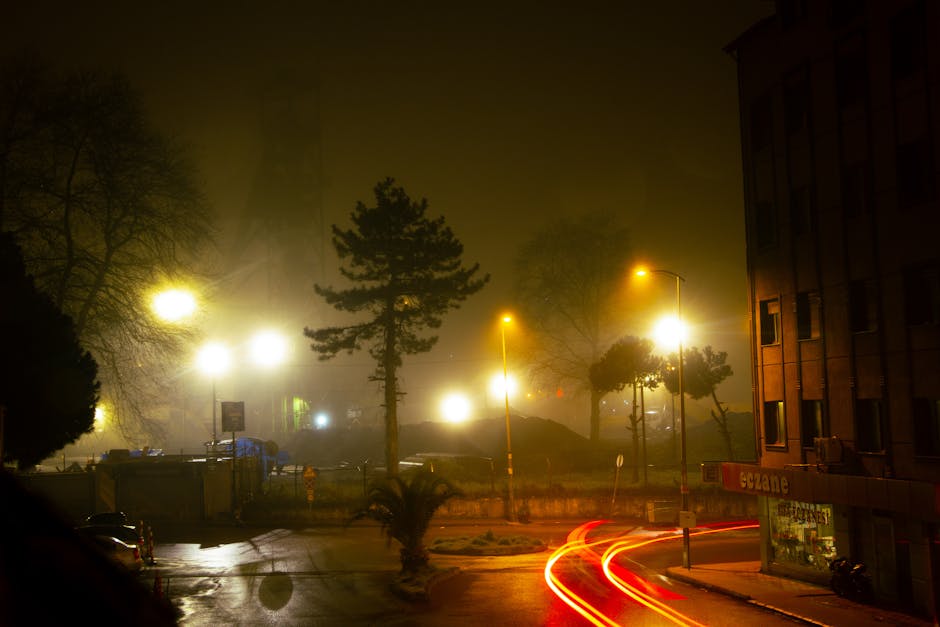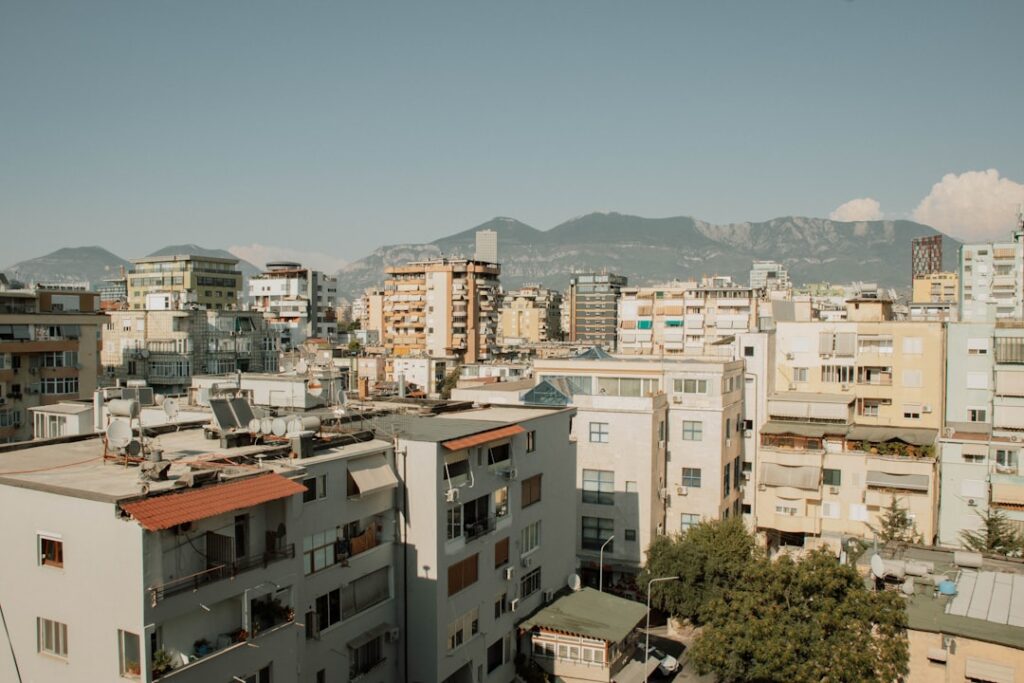






Introduction — What guidebooks don’t tell you about Albania’s so‑called “dangerous” neighborhoods
You arrive in Tirana, Shkodër, or Durrës with a scribbled list of neighborhoods to avoid pulled from a travel forum. You’ve read the alarmist headlines: “Avoid,” “High‑risk areas,” “Don’t go there at night.” Yet you feel a local curiosity: what if these “dangerous” neighborhoods are more reputation than reality — a frozen image full of assumptions? This survival guide, written with a detective’s eye, will debunk myths and give you practical tools — not to recklessly put yourself in harm’s way, but to move through reality with your eyes wide open.
The golden rule locals follow: context matters more than fear. In Albania, as anywhere, what’s “dangerous” depends on the time of day, your behavior, and whether you fall for classic traps. Some places have a bad name for historical reasons (heavy industry, poverty, urban neglect); others are stained by isolated incidents blown out of proportion. What guidebooks often skip is how to read a street, spot a situation that could escalate, and leave without drama. Here I’ll share mental maps, exact addresses, and practical recipes to avoid scams.
We’ll cover specific neighborhoods: Kombinat and Laprakë in Tirana, certain stretches in Durrës, and peripheral zones around Shkodër — without sensationalizing, without lying. You’ll get full addresses, opening hours, typical prices in euros, and above all: for each trap, how to recognize it AND how to avoid it. The classic mistake travelers make in Albania? Assuming that a lack of visible police equals lawlessness. In reality local police are present but discreet: it’s better to know where to find them and how to engage without causing trouble.
I don’t promise to make you invulnerable. But I will arm you with a detective’s gaze: spot early signs of conflict, small gangs, or scams; understand local logic (relationships, languages, street codes); and adopt simple behaviors that make you invisible to opportunists. We’ll talk cash vs. card, official taxis vs. fake ones, ATMs in front of and behind post offices, which walks to skip after dark, and small gestures that save you — for example, how to politely refuse unsolicited help without causing offense.
This guide is not a security fantasy. It’s a concrete, straightforward manual for those who want to explore Albania up close, including neighborhoods some avoid out of superstition. By the end you’ll know exactly where to find a safe hostel, how to negotiate a taxi from Tirana airport (Rinas), how much to pay for a coffee at Pazari i Ri, and most importantly how to sense when a situation is genuinely risky. Get ready to think like a local: observe, respect, and exercise measured caution — the combo that turns “dangerous” into “manageable.”
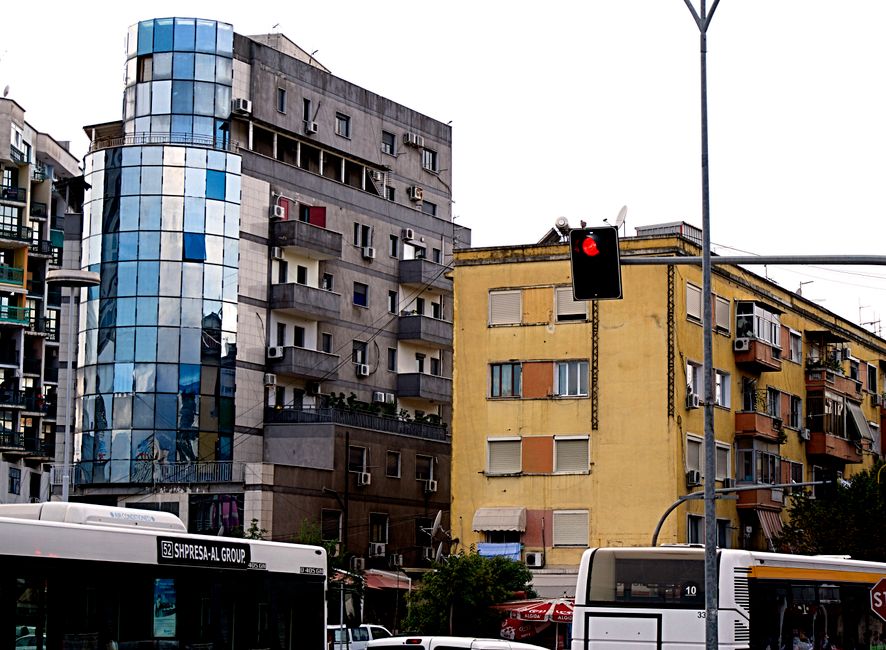
Kombinat and Laprakë (Tirana) — industry, urban neglect, and how not to get caught out
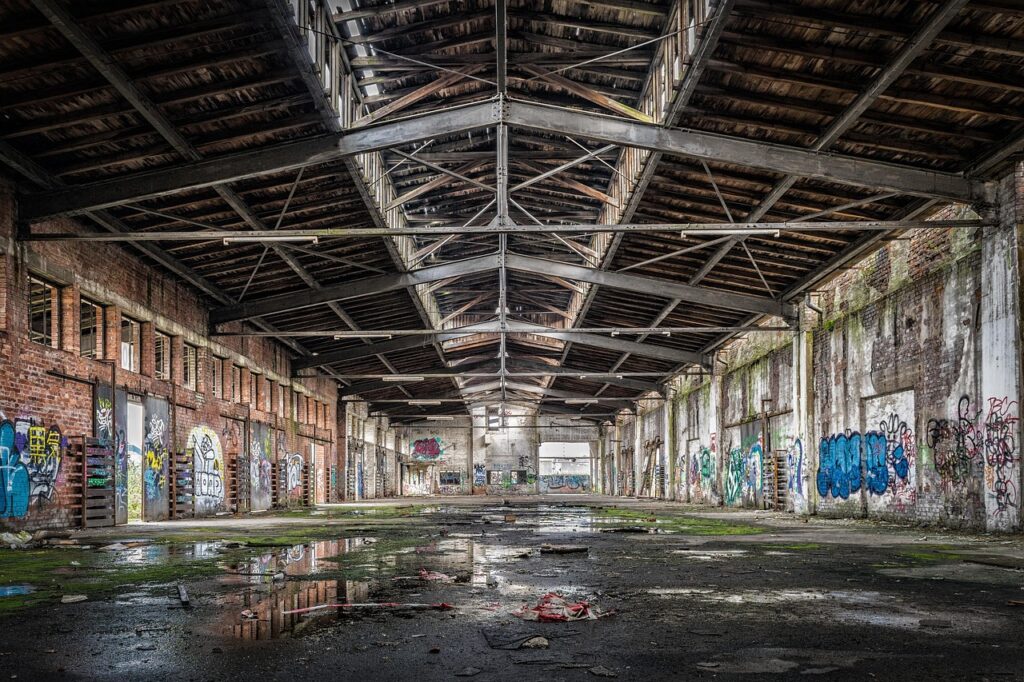
Kombinat (Rruga Kombinat, Tirana) used to be an industrial hub: abandoned factories, workshops, warehouses. What guidebooks don’t tell you from a tourist perspective is that people often confuse “run‑down” with “dangerous.” Decommissioned buildings can make striking photos but sometimes attract small groups who take advantage of the anonymity. The locals’ golden rule: if the street is dark, empty, and lined with warehouses, don’t stop to take photos — you risk being isolated.
How to spot the trap
- Visual signs: rusting gates, no streetlights, groups loitering at a factory entrance.
- Behavioral cues: people staring at you for too long, cars slowing down repeatedly on the same stretch.
- Timing: the area is generally fine during the day (7:00–18:00), but tension rises after 21:00.
How to avoid it
- Route: favor Rruga e Kavajës or Bulevardi Dëshmorët e Kombit for walking and avoid isolated perpendicular alleys.
- Transport: use official taxis (yellow cabs with a meter or the BIM Taxi app). Typical fare: Blloku to Kombinat ~ €3–5 depending on time. From the airport (Rinas) to Kombinat: ~€25–30.
- Plan B: if you’re on foot and sense a bad vibe, grab a coffee at Bar Restaurant Kombinat, Rruga Kombinat 121 (open 08:00–23:00, coffee €1.5–2) and call a taxi from a well‑lit area.
A classic trap to avoid: unsolicited “help.” Example: someone offers to hold your bag while you take a picture. How to recognize it: overly familiar tone, insistence, attempts to move your bag away from you. How to avoid it: politely refuse, keep your bag worn crossbody in front, and move your photo spot to a busier area.
Durrës and the coast — watch out for fake taxis and beach scams
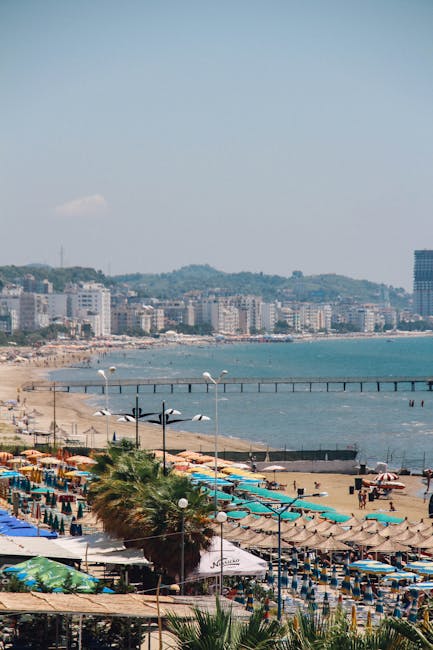
Durrës, a large port city (Rruga Taulantia, Plazhi i Durrësit), is a popular seaside stop — and fertile ground for small tourist tricks. The most common scams involve unofficial taxis, vendors inflating prices, and “trap” sunbed rentals. What guidebooks don’t always say is that most incidents are avoidable with a bit of preparation.
How to spot the trap
- Fake taxis: cars without meters, drivers who “negotiate” a price before you get in. They often offer a daily flat rate far above the real cost.
- Tourist traps on the beach: vendors selling umbrellas or sunbeds right after the beach access, insisting on cash payment.
- Boat trip offers: brochures advertising half‑price “boat trips,” but the boat leaves with 2–3 people and you end up paying as if it were a private outing.
How to avoid it
- Official taxis: take cars marked “TAXI” with a meter. Typical fare: Durrës center to the beach ~ €1–2; Durrës to Tirana by private taxi ~ €35–45. Prefer local Uber‑like platforms or ask your hotel to call an official taxi. If a driver refuses to use the meter, get out politely.
- Sunbed rental: standard public beach rate ~ €3–5/day for an umbrella + sunbed. Agree on the price before you sit and pay at the end.
- Boat excursions: request a written agreement with departure/return times and price in euros. Indicative price for a 3‑hour tour to Sazan Island: €40–60 per person depending on season.
- Money: avoid changing large sums on the street. Official exchange offices on Rruga Taulantia (or at the station) often offer better rates. You can withdraw from the ATM near the main port (Rruga Gjergj Kastrioti Skënderbeu); check that the kiosk is secure.
A classic trap to avoid: the “beach solidarity” scam where someone provides a service and later demands far more money than agreed. How to spot it: no receipt, emotional pressure (“it’s for my family”). How to avoid it: insist on a ticket or politely refuse. Locals often follow an unspoken “beach code” — if you demonstrate you know typical prices, they’ll back off.
Shkodër and the outskirts — reputation vs. reality: avoid confrontations and know where to get help
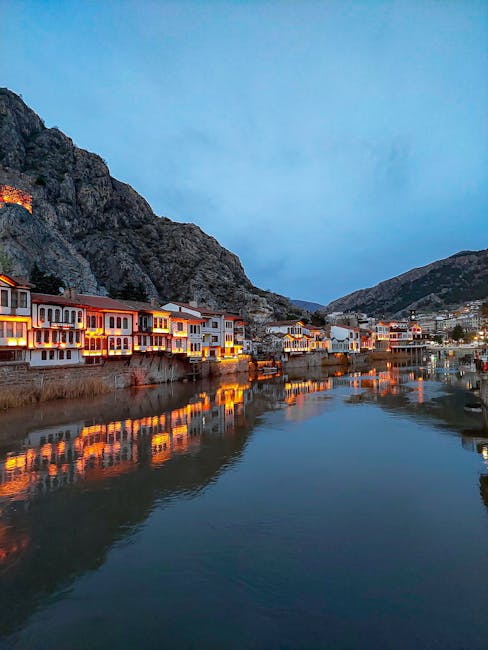
Shkodër (Rruga Kolë Idromeno, Shkodër 4001) is a northern city with a proud, calm atmosphere. Some peripheral areas experience tensions linked to poverty or small‑scale night trafficking. Locals’ golden rule: don’t confuse “poor neighborhood” with “hostile neighborhood.” Modest residential areas house families and businesses; they’re rarely locations for attacks on tourists. That said, be cautious when you wander into quiet alleys after midnight.
How to spot the trap
- Isolated groups gathered around kiosks at night, visible alcohol consumption, aggressive language.
- Unlit roads leading to small peripheral villages — watch for drivers stopping without reason.
- Requests for money framed as help or “mandatory” tips in places without posted prices.
How to avoid it
- Route: if you stay near Rruga Kole Idromeno (center), stick to main arteries like Rruga Marin Barleti for nighttime travel.
- Safe lodging: pick well‑rated guesthouses such as Guest House Villa Bekteshi, Shkodër (Rruga Pjetër Bogdani 12), rooms €20–35/night, check‑in 14:00–22:00. Local hosts can point out areas to avoid and how to call the police.
- Emergency numbers: Shkodër local police – Komisariati i Policisë Shkodër, Rruga Gjergj Fishta (open 24h). In an emergency dial 112 (European emergency service). Save these numbers in your phone within the first hour after arrival.
- Behavior: avoid flashing valuables (expensive cameras, watches, visible wallets). Keep a decoy wallet to show if you’re pressured.
A classic trap to avoid: pointless provocation. Verbal spats over space (parking, queue cutting) can escalate fast. How to spot it: voices rising, abrupt gestures, a crowd gathering. How to avoid it: step back, defuse the situation with a simple phrase in Albanian — “Nuk dua probleme” (I don’t want trouble) — and move to a public place or an open shop.
Small urban traps to know everywhere — ATMs, fake police, and the night: recognize and leave
This chapter is the heart of the “local survival” dossier. It compiles recurring scam techniques and the exact gestures to neutralize them. What guidebooks don’t always say: most problems stem from inattention on two fronts — money handling and ignorance of street codes. Here are the most frequent traps, with how to recognize them and how to respond.
Trap: ATM skimming and data theft
- How to recognize it: an ATM with a poorly fitted card reader, a loose keypad, or people who are overly keen to “help.”
- How to avoid it: use ATMs located inside banks (Banka Kombëtare Tregtare, Rruga Vëllazërimi 2, Tirana — open 08:30–16:30). Withdraw modest amounts: €20–100 according to your needs. Withdrawal fees: usually €2–5 depending on the bank.
- Local tip: cover the keypad while entering your PIN and check for a camera cover above the ATM.
Trap: fake police and “official” checks
- How to recognize it: people in non‑standard uniforms asking for your papers and money, no marked police vehicle present.
- How to avoid it: ask for an official ID card, refuse to hand over cash. Direct the person to the nearest police station (ask to use your phone to call 112). Real officers will provide an official document with a stamp and allow verification.
- Local tip: in Albania tourist police are often responsive if you go to a municipal post — keep a copy of your passport in the hotel safe.
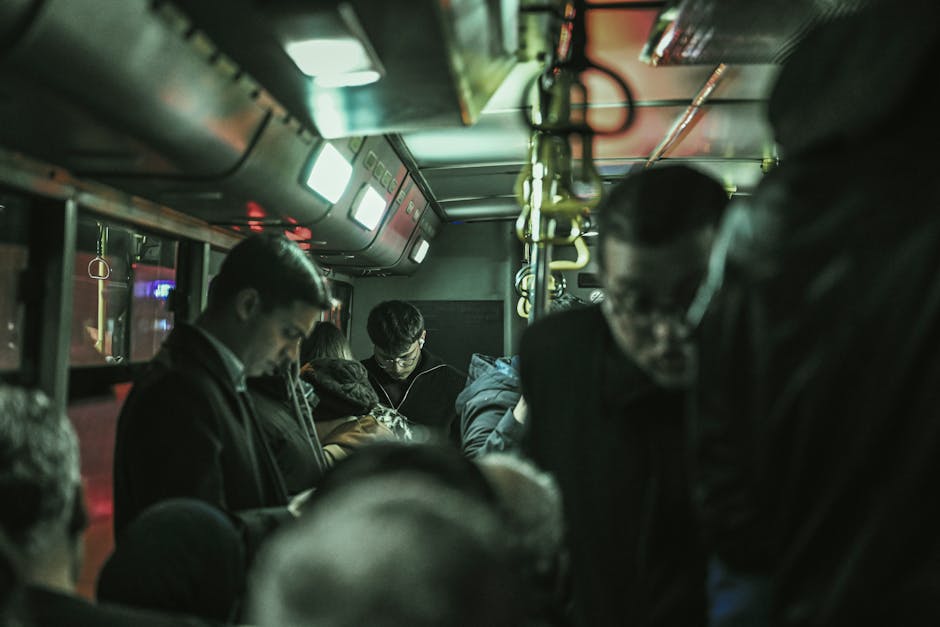
Trap: pickpockets on public transport and in markets
- How to recognize it: sudden jostling, people crowding too close, curious children around a bag.
- How to avoid it: wear a crossbody bag over your chest, keep cash in an inner pocket. On city buses, keep your bag in front of you and loop the strap over the opposite shoulder.
A classic trap to avoid: collective drunkenness that ends in theft. Celebrating is normal (especially in Tirana and Durrës), but if you drink, keep a sober friend to watch your belongings. Informal curfews exist: avoid secondary streets between 01:00–04:00 unless you’re in lively areas.
Practical tips: money, communications, insurance and interacting with locals
Here’s a compact survival kit you can test on the ground.
- Money: the currency is the lek (ALL). Many places accept the euro, but for small purchases have some leks on hand. Indicative rate: €1 ≈ 110–120 ALL (varies). Change money safely at official exchange offices (e.g., Exchange House, Rruga Murat Toptani, Tirana, open 09:00–18:00). A coffee at Pazari i Ri costs about €1.5–2; a simple dinner €7–15 per person.
- Communication: local SIM (Vodafone Albania, Telecommunication Center, Rruga Abdi Toptani): €10–15 for 10–20 GB and local calls. Buy in an official store and show your passport.
- Insurance: don’t travel without travel insurance covering repatriation and theft — medical bills can be expensive. Print your policy and keep a digital copy.
- Interacting with locals: learn a few Albanian phrases: “faleminderit” (thank you), “sa kushton” (how much?), “nuk kuptoj” (I don’t understand). Politeness opens many doors and calms tense situations.
Another locals’ golden rule: trust your accommodation. Hotels and guesthouses often provide local advice, reliable taxi numbers, and safe storage for valuables. For example, Hostal Albania in Tirana (Rruga Ismail Qemali 45) offers a free safe, airport transfer €20–25, check‑in 14:00–23:00. Always ask hotel staff to check your route for the evening.
Conclusion — Going against the grain without putting yourself at risk
To conclude: Albania’s so‑called “dangerous” neighborhoods are not war zones waiting for you around every corner. They are places with varied social realities: neglected by investment, poorly lit, sometimes marked by isolated incidents. What guidebooks don’t say is that much of the risk boils down to avoidable behaviors — leaving your phone on a table, accepting a ride without a meter, isolating yourself at night in an industrial street. Adopt the logic of a savvy local: observe, ask, favor well‑lit main roads, use recognized services, and know how to leave as soon as a situation turns sour.
The best strategy is pragmatic: get the exact address of your lodging, note emergency numbers (112) and the nearest police station if needed, use official taxis, withdraw cash inside banks, and keep a reserve of euros for flexibility. You don’t need to be paranoid, just prepared — preparation turns a reputedly “dangerous” area into a route you can pass through.
Finally, remember the classic trap: assuming reputation alone defines a place. This guide doesn’t encourage recklessness; it promotes clear thinking. Visit Kombinat for its industrial architecture, stroll Durrës markets knowing how to bargain, discover Shkodër while sticking to main roads — and come home each night knowing you exercised local common sense. Albania is safe for those who behave like respectful, attentive guests. You’ll leave with images, encounters, and the satisfaction of having gone against the grain without ever exposing yourself unnecessarily.