





Introduction — Sleeping in an Albanian Bunker: Unique Travel Experience or Exploitation?
In just a few years Albania has shot up the travel wishlists: pristine beaches, Ottoman towns, wild mountains and a recent past that piques curiosity. One of the country’s most unusual draws are the thousands of bunkers built during Enver Hoxha’s regime. Some have been converted into museums, cafés, studios or alternative accommodations. The idea of sleeping in an Albanian bunker appeals to travelers chasing immersive experiences and adrenaline — but it also raises ethical questions: is this a smart way to preserve and interpret heritage, or is it exploiting a collective trauma for tourism?
In this practical guide I look at what’s actually on offer: where you can stay in a bunker, specific addresses, opening hours and price ranges, plus practical and moral considerations. The tone is informative, professional and detailed, with immersive descriptions, local tips and the nuts-and-bolts info you need to plan a night (or a visit) in these unusual spaces. I draw on well-known converted sites, alternative stays and community projects to give an overview. You’ll also find recommendations for visiting museums tied to this heritage (notably Bunk’Art 1 and Bunk’Art 2 in Tirana), addresses, price estimates in euros and typical opening times — all essential for planning.
Beyond the practical facts, it’s crucial to ask what these conversions mean: can these places honor memory and history while functioning as viable tourist products? Or does turning them into accommodation trivialize a violent past and the fear people lived through? I finish with local advice on how to show respect, how to talk to owners and communities, and how to get the most out of an experience that can be fascinating, uncomfortable, or both.
Historical context and reference sites: Bunk’Art 1, Bunk’Art 2 and museums
To understand the phenomenon, start with the institutions interpreting the past. Bunk’Art 1 and Bunk’Art 2 are the best-known sites in Tirana. Bunk’Art 1 — the Historic Bunker Museum — is located at Rruga Fadil Domi, Tirana 1001. Typical opening hours are 09:00–17:00 Tuesday to Sunday, closed Monday; entry is around 500 ALL (~€4.5) for adults, with discounts for students and seniors. Bunk’Art 1 occupies a huge nuclear-style bunker repurposed as a contemporary history museum, featuring reconstructions, audio archives and art installations that immerse visitors in the atmosphere of suspicion and isolation from the 1970s–1980s.
Bunk’Art 2 sits in the city center at Rruga Pjetër Bogdani, Tirana 1001, close to Skanderbeg Square. Its hours are generally 10:00–18:00, closed Monday; tickets cost roughly 400 ALL (~€3.5). Bunk’Art 2 focuses more on political repression, arrests and personal stories. Both sites are useful background if you plan to sleep in a converted bunker: visiting first to understand the historical weight makes an overnight stay more thoughtful and respectful.
Other relevant sites include the Historical Museum of Gjirokastër (Sheshi 20 Vjetori, Gjirokastër 6001, hours 09:00–17:00, ticket ~400 ALL/€3.5), which has sections on the communist era, and several cultural centers in Berat and Korçë that display objects related to the regime. These museums help provide ethical context: when a bunker becomes a guest room, what memory is preserved and what is turned into spectacle?
Accommodation: where you can actually sleep in a bunker and practical realities
Several accommodation options in Albania now advertise nights “in a bunker.” Some are professional operations, others are small-scale projects. Here are concrete examples:
- Bunker Hostel Tirana (commercial example) — Address: Rruga Myslym Shyri 38, Tirana 1001. Double rooms from €30 per night, dorm beds from €12 per person. Check-in: 14:00–22:00. Description: a former bunker refitted as a hostel with underground rooms, moody lighting and industrial décor. Amenities: breakfast included, Wi‑Fi, common lounge.
- Cold War Bunker Guesthouse, Berat (private initiative) — Address: Rruga Çarshia e Vjetër, Berat 5001 (near the old town). Price: double rooms €45–€70 depending on season. Check-in 15:00, check-out 11:00. Description: a family-run place that has integrated a bunker annex, offering themed nights and local guided tours.
- Underground Retreat near Gjirokastër (project stay) — Hosting address: Rruga Skënderbej 12, Gjirokastër 6001. Rate: €60–€90 per night (dinner included). Reservation required 24 hours in advance. Immersive description: local meals, a guided tour of the bunker and historical explanation by a local guide or an eyewitness.
These examples show the range: from urban dorm-style conversions to styled retreats in the south. Prices vary with star level and services. Note that most places require advance booking and may have safety constraints (limited ventilation, emergency exits). Travelers with claustrophobia or respiratory issues should always ask detailed questions before booking.
Immersive experience: sensory description of a night and practical tips
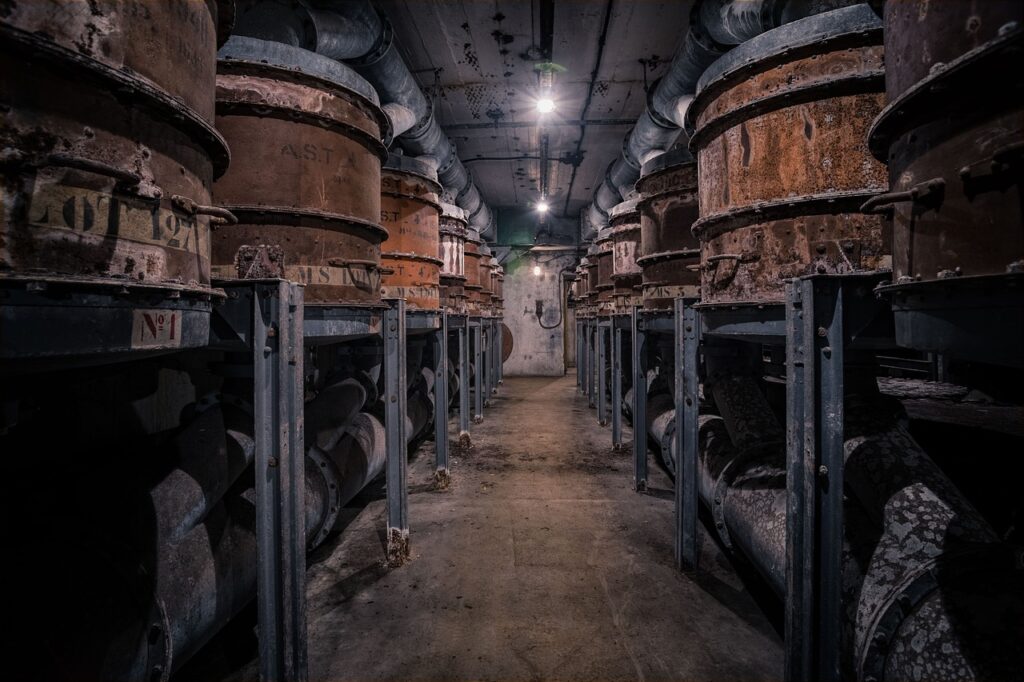
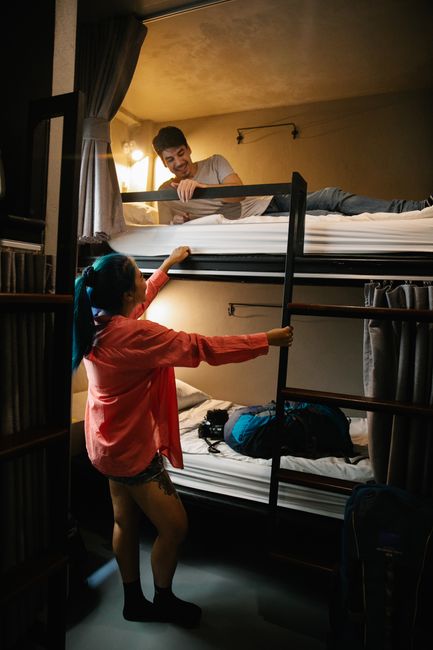
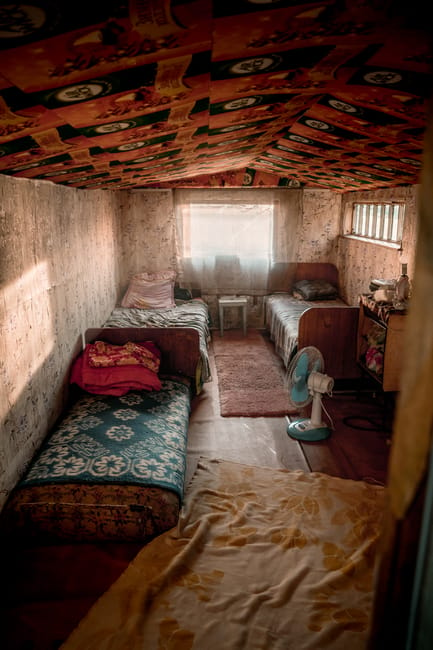
Sleeping in a bunker is more than an Instagram backdrop: it’s a sensory experience. Picture a concrete corridor with thick walls, a steel door, indirect lighting that highlights textures, and silence absorbed by the structure. Temperatures can be cool, even in summer. Beds are often low, with simple but tidy bedding, and spaces can be arranged as small cells or larger rooms depending on the conversion.
Practical tips:
- Check ventilation: ask whether the place has mechanical air systems or openings. In summer the air can be pleasantly cool; in winter the walls may retain dampness.
- Lighting and safety: find out about emergency exits, backup lighting and detectors. Make sure the host explains what to do in an incident.
- Claustrophobia and health: if you’re prone to anxiety or claustrophobia, pick a place with windows or open communal areas; avoid fully enclosed cells.
- Respecting memory: if the site also functions as a memorial, be discreet — no loud music, no gimmicky props that trivialize the past.
- Photography: some areas — archives or memorial plaques — may have restrictions. Always ask for permission.
Practical price guidance: expect to pay between €12 (dorm bed) and €90 (all-inclusive retreat). Museums like Bunk’Art 1 and 2 charge separate entry fees (€3–€5). Many operators sell packages that include transport from Tirana, a traditional dinner and a guided visit, typically costing €80–€120 per person depending on duration.
Ethics and local perception: responsible tourism or commodifying memory?
Turning a symbol of fear into a tourist product is a sensitive matter. Albanians have mixed feelings: some local entrepreneurs see an opportunity to valorize heritage, attract visitors and create income; families of victims and activists fear instrumentalization. The key to responsible conversion is collaboration between owners, historians, museums and local communities.
Signs of an ethical conversion:
- Partnerships with local museums (for example, a lodging collaborating with Bunk’Art to provide contextualized guided tours).
- Revenue-sharing with memorial initiatives or educational projects.
- Respect for commemorative spaces: clear separation between museum sections and guest areas, and codes of conduct for visitors.
When tourism slides into exploitation:
- Sensational staging that reduces history to a « thrill » without context.
- Lack of consultation with local communities, or closure of spaces to historical discussion.
- Opaque pricing or marketing that sells a morbide curiosity without social return.
In practice, choose transparent operators: ask who runs the project, whether local guides or historians are involved, and how profits benefit the community. Local tourism offices (e.g., Autoriteti i Turizmit në Shqipëri — administrative address: Rruga Sami Frashëri, Tirana) can point you to serious projects.
Conclusion — Making the right choice: final tips, useful addresses and reflections
Sleeping in an Albanian bunker can be an intense and memorable experience if approached with preparation, sensitivity and critical thought. Visits to Bunk’Art 1 (Rruga Fadil Domi, Tirana 1001) and Bunk’Art 2 (Rruga Pjetër Bogdani, Tirana 1001) provide valuable historical grounding; converted accommodations cover a range of services and prices — from €12 per night in a dorm to €90 for an all-inclusive retreat. Always check opening times (museums generally 09:00–17:00 / 10:00–18:00), ventilation systems and safety rules before booking.
On the ethical side, favor transparent initiatives that integrate memory and the local community over sensationalist attractions. Ask questions: who runs the place? Do profits serve the community? Are there educational materials or trained guides? Those elements separate a respectful experience from mercantile exploitation.
Finally, a few useful addresses and practical recommendations for planning:
- Visit: Bunk’Art 1, Rruga Fadil Domi, Tirana 1001 — entry ~€4.5, hours 09:00–17:00 (Tuesday–Sunday).
- Visit: Bunk’Art 2, Rruga Pjetër Bogdani, Tirana 1001 — entry ~€3.5, hours 10:00–18:00.
- Example stay: Bunker Hostel Tirana, Rruga Myslym Shyri 38, Tirana 1001 — beds from €12, double rooms from €30.
- For guided experiences: contact local agencies in Tirana or Gjirokastër offering packages at €80–€120 including transport, meals and a visit.
If you decide to try it, expect a night that may be both striking and moving. Stay respectful, curious and informed — and remember that the real value of these places lies less in the instant « thrill » than in the ability to understand and pass on a difficult chapter of Albanian history.