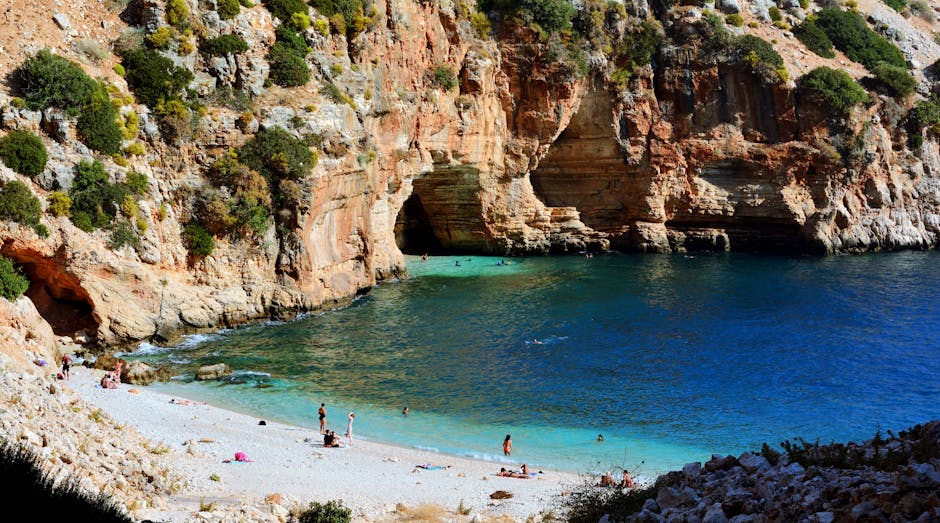






Introduction: Albania’s secret beaches — the Riviera away from the crowds
Albania, with its Adriatic and Ionian coasts, is steadily gaining a reputation among travelers seeking authentic, unspoiled shores. Far from the crowded international resorts, the Albanian Riviera hides secluded coves, pebbly beaches and tucked-away bays wedged between limestone cliffs and pine groves. This guide aims to be a practical companion to those secret beaches — not just names and directions, but also useful details: approximate addresses, typical prices in euros, opening times and local tips to make the most of each spot while preserving their fragile character.
The beaches covered here are aimed at curious travelers: hikers who enjoy walking through gorges, snorkeling fans drawn to clear seabeds, and visitors who accept minimal facilities in exchange for precious solitude. In Albania, many of these coves don’t have permanent public amenities (sunbeds, bars or restrooms). They’re often reached via unpaved roads, coastal footpaths or water taxis from nearby harbors. Prices given reflect commonly used paid services — parking, sunbed rental, boat rides — and are listed in euros, a currency widely accepted on the tourist coast.
Before you go, keep a few simple rules in mind: respect the environment by taking your rubbish with you, avoid lighting fires in dry conditions, and check local weather. The times noted in this guide reflect common practice (bars and services usually open from around 09:00 to 20:00 in low season, and up to 22:00 in high season), but can vary depending on the time of year. Finally, for a smooth trip, bring water, sunscreen, sturdy walking shoes and an offline map or GPS — some secret beaches are genuinely off the mobile network.
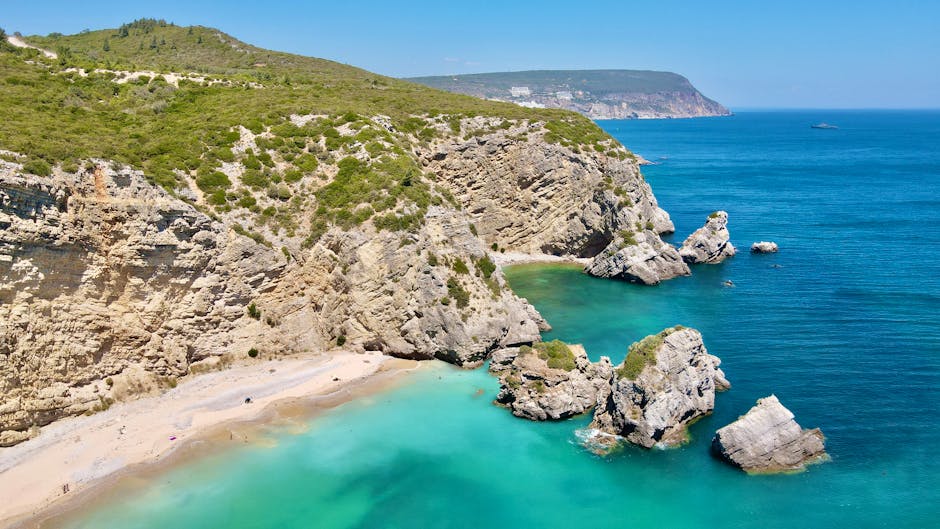
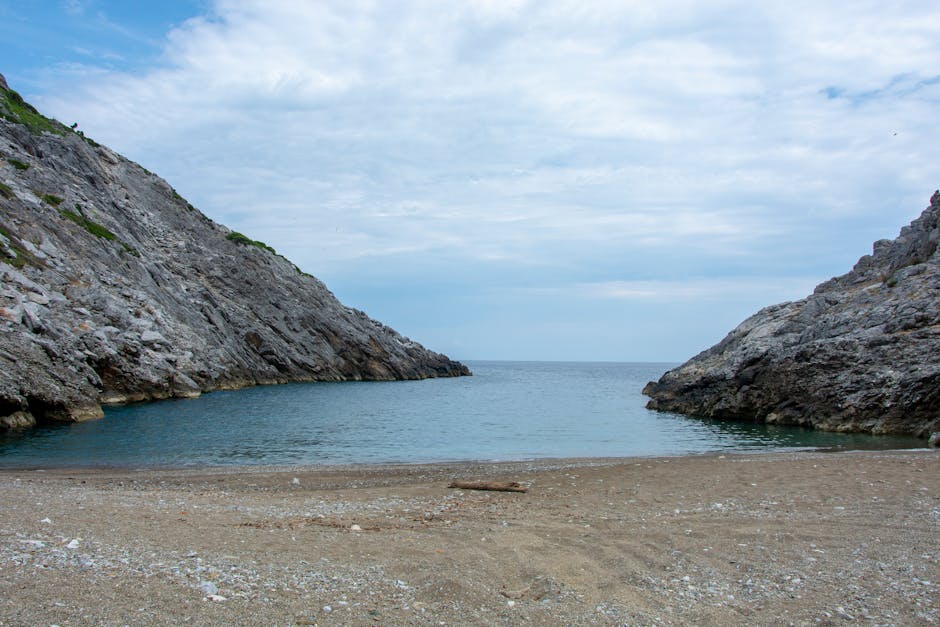
Gjipe Beach (Plazhi i Gjipe) — the wild, tucked-away cove
Plazhi i Gjipe, often called Gjipe Beach, is one of the most famous of the Riviera’s “secret” coves. Located at the mouth of the Gjipe Gorge (Gjipe Canyon), this pebbly beach with turquoise waters offers a wild atmosphere and dramatic cliff scenery. Approximate address: Plazhi i Gjipe, Rruga e Borshit, 9427 Dhërmi, Himarë, Vlorë County, Albania. Access: from the main Llogara–Himarë road (SH8), drive toward Borsh then take the small unpaved road to Gjipe/Plazhi; the final stretch is on foot (about 20–40 minutes) along the gorge path. Entry is free.
Hours and services: the beach is accessible 24/7, but facilities are minimal. In high season a local vendor usually sells drinks and snacks (09:00–19:00). Sunbed and umbrella rental: around €5–10 per day. Parking: informal spaces near the entrance, approximate fee €2–5 per car depending on the season. If you’d rather skip the walk, a water taxi from Borsh beach typically costs €10–25 per trip for 1–4 people (price negotiable).
Immersive description: entering the gorge the vegetation changes — pines, Mediterranean scrub and ochre-striped cliffs dominate the scene. The lapping of water in the bay, the silence broken only by birds, and the contrast of white stones against deep blue create an almost otherworldly setting. The water is clear and great for snorkeling along the rocky sides. Be mindful of the pebbles: bring water shoes or sturdy sandals for the approach. For photographers, morning or late-afternoon light gives the cliffs a golden hue.
Local tips: aim to arrive early (before 10:00) in July and August to find a shaded spot. Pack water and food if you plan a long stay. Take everything you bring back with you; the area is protected by local initiatives that organize seasonal cleanups. Hikers can extend their visit with a short exploration of the Gjipe canyon, but be cautious on steep trails.
Grama Bay (Grama Bay / Grama Cave Beach) — ancient markings and sea-swept silence
Grama Bay, also known as Grama Cave Beach, is an isolated bay near Drimadhë at the southern tip of the Karaburun–Sazan peninsula. Indicative address: Grama Bay (Gjiri i Gramës), Karaburun Peninsula, 9706 Orikum, Vlorë County, Albania. Access is mainly by boat from Orikum (Orikum Harbor, Rruga e Portit, 9402 Orikum, Vlorë County): daily tours run in high season, departing between 09:00 and 16:00. Approximate prices: €20–35 per person for a half-day group trip, or €80–150 for a private boat depending on size and duration.
Hours: most operators run rotations from 09:00–17:00 in high season (May–September). The bay itself is accessible all day, but boat tours often land near the cave and allow you to see ancient inscriptions carved into the rock (remnants from Roman and Ottoman times).
Immersive description: Grama Bay is renowned for its white cliffs dotted with old inscriptions and carved niches. The water is a deep blue, sheltered from the open sea, offering excellent snorkeling and swimming. The shore is mostly pebbles and small rocks. Small cavities and caves along the cliffs tell a long human story — sailors and fishermen once used these markings to record routes or burials.
Local tips: leave early to avoid the heat and enjoy calm seas. Bring snorkeling gear and water shoes to explore rocky areas. If hiring a private boat, agree on the price up front and check fuel arrangements: adding €10–15 for longer excursions is common. Above all, respect the inscriptions and geological formations: do not scratch or damage historical surfaces.
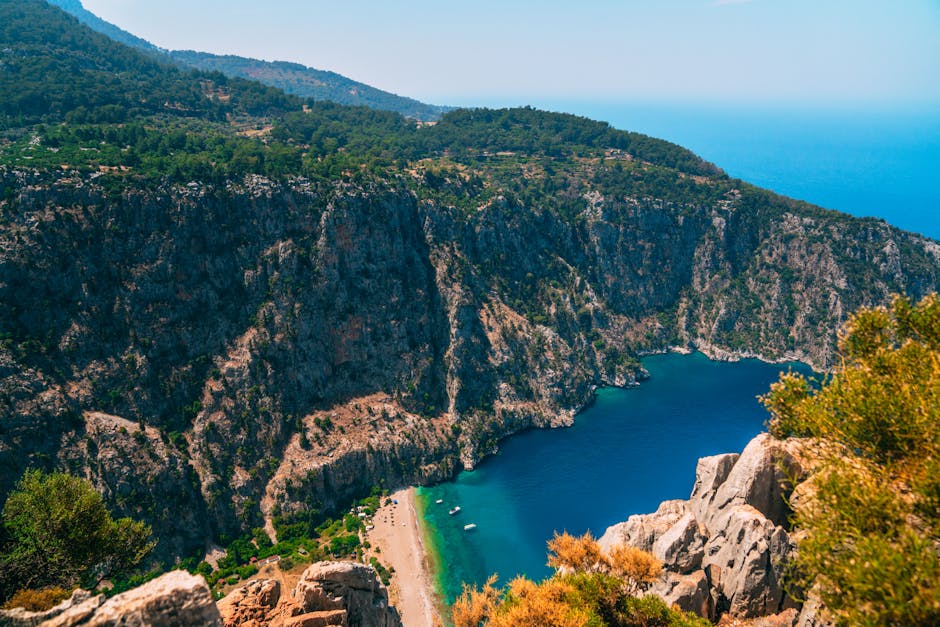
Potami Beach (Plazhi i Potamit) — translucent waters and a wooded cove
Plazhi i Potamit (Potami Beach) is a more low-key beach located north of Himarë, near the village of Potam. Approximate address: Plazhi i Potamit, Potam Village, Rruga Potami, 9426 Himarë, Vlorë County, Albania. Access: from the SH8 road, take the exit toward Potam then follow the dirt track lined with pine woods for about 2–4 km. Entry is free. In summer there’s a small unofficial parking area for around €2–5 per day.
Hours and services: the beach is open 24/7; however, thanks to the shade from the pines the area is especially pleasant in the late afternoon. There are normally no shops on site, so bring water and provisions. A few kayakers and small-boat owners anchor in the cove; kayak rentals from Himarë cost roughly €10–20 per hour.
Immersive description: Potami is defined by a calm shoreline framed by pines and small cliffs. Fine pebbles and shallow waters make it a great spot for families seeking privacy and safety. The seabed hosts seagrass meadows and schools of fish, making snorkeling rewarding. The dominant feeling is that of a peaceful haven — the sound of waves softened by cicadas, and flat rock benches perfect for sun-soaked naps.
Local tips: if you arrive by car park only in allowed areas and avoid blocking agricultural access. Bring a bag for rubbish and respect the vegetation. For a fuller experience, combine Potami with a visit to Potam village (a picturesque spot with a few family-run tavernas open 10:00–22:00 serving traditional dishes: meal prices €8–15 per person).
Hidden coves between Dhërmi and Himarë — trails, small harbors and intimate stops
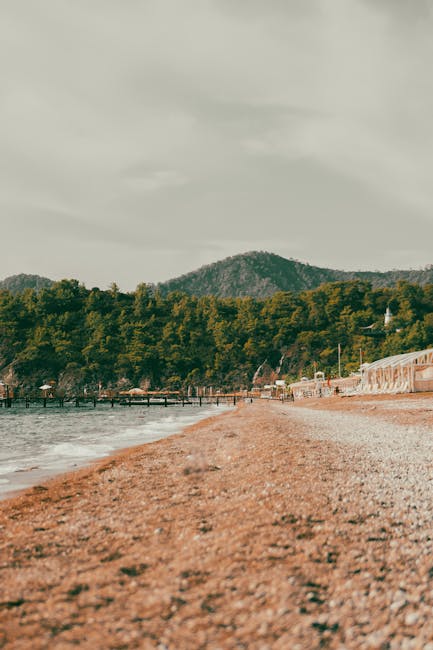
The coast between Dhërmi and Himarë is full of lesser-known small coves that many guides overlook. Some are reachable via coastal trails from Dhërmi (Rruga Dhërmi, 9427 Dhërmi, Vlorë County) or by boat from Himarë (Himare Harbor, Rruga e Portit, 9426 Himarë). These spots include inlets like Plazhi i Drymades (Drymades Beach), Plazhi i Livadhit (Livadhi Beach — with small wild sections), and little niches immediately north of Dhërmi discovered by walking the shoreline.
Access and costs: many of these coves require a 10–40 minute walk from the coastal road. Access is free; however, budget €2–5 for roadside parking. Water taxis from Himarë or Dhërmi typically cost €10–30 per trip for short distances. In high season, beach bars near Dhërmi open from 09:00 to 23:00, with sunbed rentals at €5–12 per day and drinks around €2–6.
Immersive description: these coves present a variety of landscapes — glossy pebbles, small sandy pockets sheltered by rocky cliffs, and wooded stretches where pines almost reach the waterline. Coastal paths reveal spectacular viewpoints: at certain spots you can make out the silhouette of Corfu on a clear day. Walks are often dotted with tiny fishermen’s huts and mule tracks that tell the story of a coast shaped by generations of locals.
Local tips: travel light but come prepared: water, a hat, and a map. Start early in the morning to enjoy calm seas and avoid the hottest hours. If you plan to swim in more exposed coves, watch sea conditions and ask locals about currents. For food, favor family-run tavernas in Dhërmi or Himarë — local dishes like grilled octopus or peka (when available) usually cost €8–18.
Conclusion: plan a responsible exploration of the Albanian Riviera
The Albanian Riviera offers a wealth of secret beaches for every taste: wild coves reached after a hike, historic bays accessible by boat, and shaded hollows ideal for quiet afternoons. The sites covered — Plazhi i Gjipe, Grama Bay, Plazhi i Potamit and the many coves between Dhërmi and Himarë — share one thing in common: authenticity. In return, they require a little preparation and respect. The addresses provided are indicative and serve as reference points; many of these places don’t have strict postal identifiers, so bringing a GPS map, a phone with an offline map, or local coordinates is recommended.
Practically speaking: expect modest but real expenses (parking €2–5, sunbed rental €5–12, water taxi €10–35 depending on distance), respect local service hours (bars and operators 09:00–20:00/22:00 in high season), and favor an early start to maximize calm and the best light. Above all, adopt an eco-responsible attitude: take your rubbish with you, don’t damage rocks or vegetation, and ask locals about conservation efforts (some sites are the focus of protection work).
In short, the Albanian Riviera rewards travelers willing to stray from the beaten path. Between limestone cliffs, sculpted gorges and translucent waters, these secret beaches will give you moments of solitude, contemplation and wonder. With the right practical info and a respectful approach, you’ll help preserve these fragile landscapes while enjoying a uniquely European beach experience.