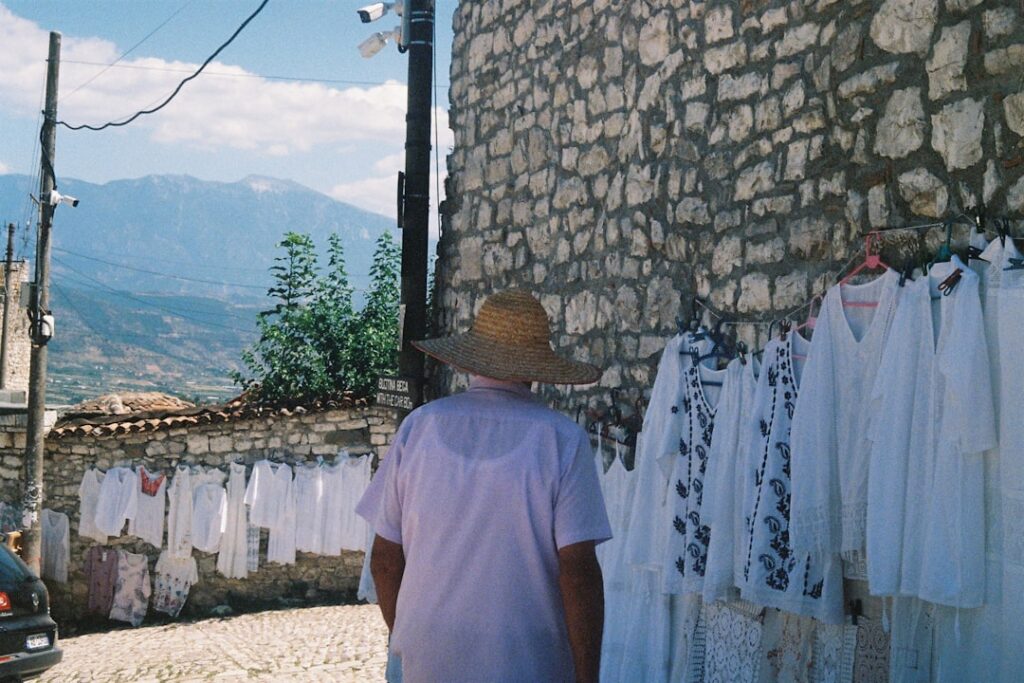






Introduction — Dive into the Soul of Albanian Villages
Albania is no longer just a destination for turquoise coasts and Ottoman towns: its villages, often perched between mountains and rivers, keep alive a living heritage of textiles, embroidery, traditional dress, ceramics and other handmade objects. These small rural communities are guardians of centuries-old crafts and a traditional wardrobe that tell stories about local history, beliefs and identity. A costume is more than clothes: it’s a language, a social marker, a ritual calendar and a family memory. The artisan is often the heir to a technique passed down from mother to daughter or from master to apprentice, and the gesture they repeat is as much a craft as it is a daily form of devotion.
This practical guide invites you to discover, village by village, the expressive power of Albanian costumes and the richness of local workshops. It’s written for the curious traveler: the one who wants to touch wool still warm from the loom, sit at a embroiderer’s table, inspect the geometric patterns of a belt, or understand how local pottery reflects the land. I give precise addresses, prices in euros, useful opening hours and immersive descriptions to turn your route into a true sensory quest.
You will find essential stops to go beyond city museums and step into the intimate life of villages: cooperative workshops, ethnographic museums, historic bazaars and guesthouses that welcome visitors. I also share local tips — when to operate the loom, how to haggle without offending, the best season to visit textile workshops, and how to spot an authentic antique costume versus a tourist reproduction. Addresses and prices are indicative and typical opening times are given; verify details as your trip approaches, since schedules and fees can change.
Traveling through the regions of Gjirokastër, Berat, Krujë, Theth, Valbona and Voskopoja, you’ll notice each valley has its own aesthetic code: colors, embroidery patterns, coat cuts and even accessories vary. The landscape itself influences craft: high-pasture wool sustains the weavers, alluvial clay shapes the potters, and local woods supply carvers and toolmakers. Throughout the article you’ll find precise addresses (museums, bazaars, workshops), entrance fees in euros, opening hours and detailed descriptions of motifs, techniques and usage contexts.
Finally, this guide offers practical recommendations: how to respect local customs when trying on a costume, what questions to ask to learn more without judging, and how to bring back an item without harming the community (prefer pieces sold by local cooperatives, ask for a receipt or certificate of authenticity when needed). Ready to immerse yourself? Grab your camera, leave your preconceptions at the door, and step into the workshop where the past is still being woven into the present.
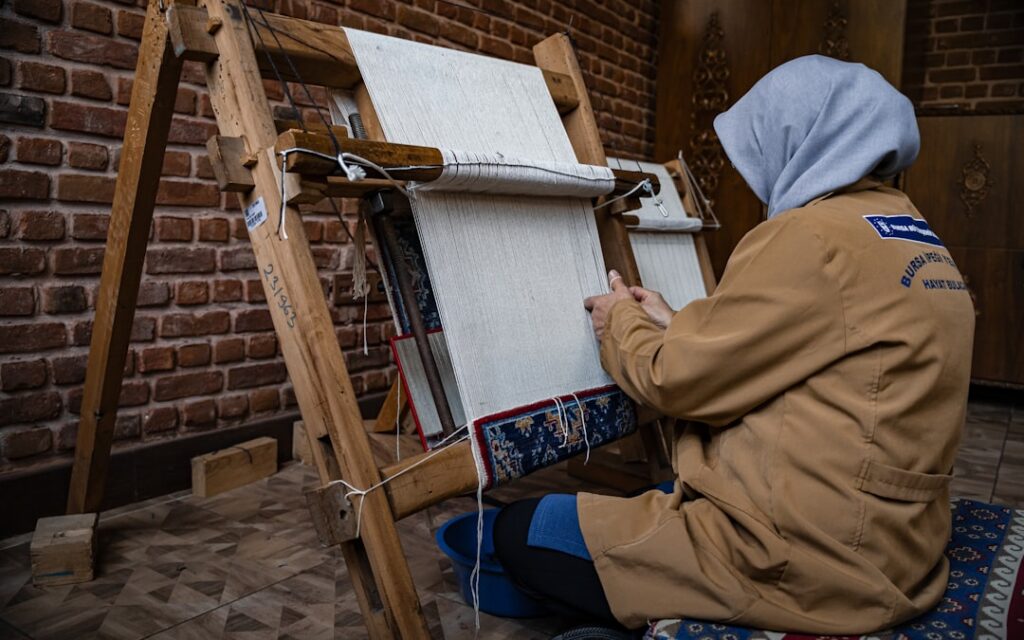
Gjirokastër and the South: Stone costumes, wool workshops
Gjirokastër, a museum-town listed as a UNESCO World Heritage site, is the gateway to several southern villages where textile craft and traditional dress remain alive. Gjirokastër’s historic center houses the Ethnographic Museum — often called the House of Ethnography — located at Rruga Gjin Aleksi, Gjirokastër 6001, Albania. Exact address: Ethnographic Museum (House of Enver Hoxha), Rruga Gjin Aleksi 1, Gjirokastër 6001, Albania. Opening hours: 09:00–17:00 (closed Mondays). Entrance fee: around €4.00 for adults, €2.00 for students (indicative rates). The museum displays a collection of costumes, rugs, jewelry and household items that help explain social hierarchy and the ritual uses of clothing.
A few kilometers around Gjirokastër you’ll find family weaving workshops where wool is washed, carded and dyed according to local recipes. Example: Cooperative « Qera Wool Workshop », often located near the Libohovë bazaar (Libohovë Bazaar, Rruga Qazim Kokoshi, Libohovë 6009, Albania) — administrative address: Libohovë Bazaar, Rruga Qazim Kokoshi, Libohovë 6009, Albania. Opening hours: 08:00–18:00 (call ahead recommended). Fees: demonstration and workshop visit ≈ €5–10 per person; purchases: rugs from about €40, embroidered shawls €15–60 depending on piece and quality.
Gjirokastër costumes are recognizable by heavy coats, often black or dark brown, decorated with geometric embroidery and metal elements: ornate leather belts, silver brooches and necklaces. To see these garments worn, plan a visit to the « Festa e Kostumeve » (local costume festival) if your stay coincides with seasonal festivities — dates vary, but events are often held in summer (June–August). For a more direct contact, visit the « House Workshop » of Esma Qiriazi, Rruga Çerçiz Topulli, Gjirokastër 6001 — a small family atelier where embroiderers sometimes give private lessons (introductory lesson ≈ €15–25, by appointment).
Local tips: prefer mornings to visit workshops, when weavers are working and can explain the production chain. Bring cash (euros or lek), as many workshops don’t accept cards. If you want to photograph the workshop or people, always ask permission: a small tip (€1–3) is often appreciated. For a significant purchase (rug, costume), ask about the wool’s origin and whether the piece was made on a traditional loom (handmade) — an authentic item is denser, irregular and shows technical features (knots, finishing) visible up close.
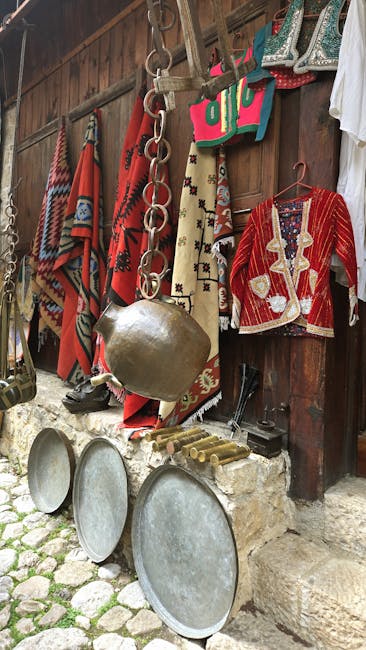
Berat and the Misty Mountain: Religious embroidery and iconography
Berat, nicknamed the « city of a thousand windows, » is also a center of artistic and religious history. On the castle hill stands the Onufri Museum (Onufri Iconographic Museum), dedicated to Byzantine and post-Byzantine icons that influenced local embroidery motifs and colors. Exact address: Onufri Museum, Castle of Berat, Mangalem Quarter, Berat 5001, Albania. Opening hours: 09:00–17:00 (closed Mondays). Entrance fee: around €5.00 for adults; reduced rates for students and seniors (≈ €2.50). The museum exhibits icons from the 16th to the 19th centuries, whose palettes and ornamentation nourished the techniques of local embroiderers.
The Mangalem quarter and the old town host workshops still working with silk, wool and metallic thread for ceremonial garments (weddings, baptisms). Among them, « Atelier Gjergj Xhuvani » (address: Rruga Tefta Tashko-Koço 12, Berat 5001, Albania) is a small family workshop producing fine embroidery for shirts and scarves. Opening hours: 08:00–19:00 (by appointment). Prices: traditional shirt embroidery ≈ €20–70 depending on complexity; costume repair/restoration ≈ €30–100.
Costumes from the Berat region stand out for their mix of floral and geometric motifs, often enhanced with metal inserts and fringes. Traditional garments (xhubleta, fustanella) have local variants; the xhubleta, a conical skirt made of layered fabrics, appears in surrounding mountainous areas. To see these garments in a living context, head to the village of Çorovodë (Çorovodë, Skrapar, Berat 5001, Albania) for dance demonstrations and costumes during small neighborhood festivals — events are usually announced by the town hall (Municipality of Berat, Rruga Myslym Keta 42, Berat 5001, Albania).
Practical tips: combine a visit to Berat Castle with a stroll through the lower-town workshops. Workshops often accept custom orders; if you plan to commission a costume or embroidered piece, allow production time (2–6 weeks depending on complexity) and expect a deposit (30–50%). For authenticity, ask to see older examples labeled by date or origin. Avoid buying an industrial « replica » priced like a handmade piece: compare stitch density, regularity and materials.
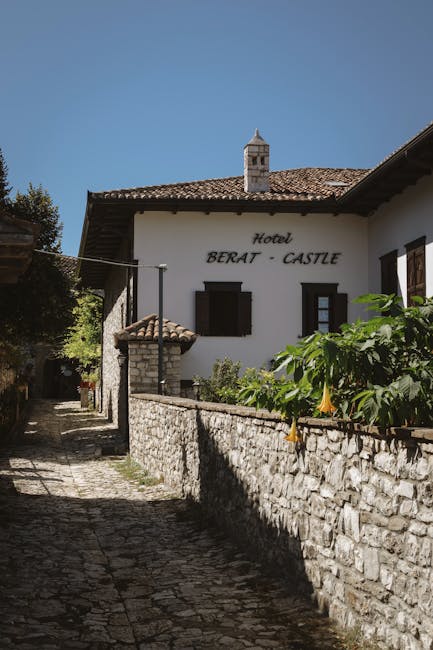
Krujë and the Bazaar: Jewelry, belts and Albanian filigree
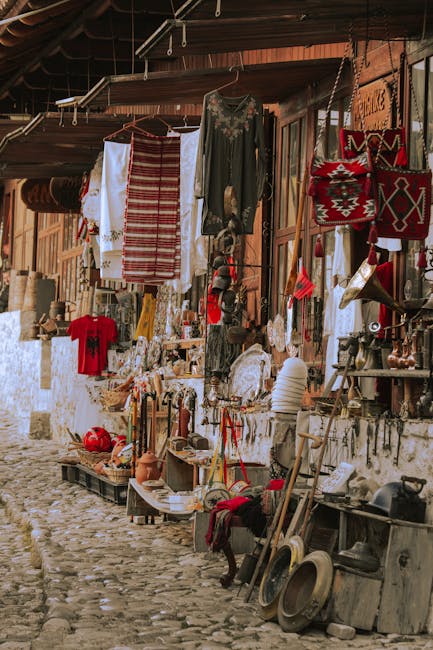
Krujë, located just 20–30 km north of Tirana, has one of Albania’s best-preserved bazaars, the Old Bazaar of Krujë (Pazari i Vjetër), where traditional jewelry and costume accessories are still made and sold. Exact address: Old Bazaar (Pazari i Vjetër), Krujë 1501, Albania. Opening hours: bazaar generally open 09:00–19:00, some workshops close at 17:00; souvenir shops sometimes stay open later. Here you’ll find goldsmiths working silver filigree and saddlers crafting ornate belts.
Krujë also hosts the Skanderbeg Museum (Skanderbeg Museum) in the castle: « Muzeu Kombëtar Gjergj Kastrioti-Skenderbeu, Krujë Castle, Krujë 1501, Albania ». Opening hours: 09:00–17:00, closed on some public holidays. Entrance fee: around €4.00–6.00 depending on temporary exhibitions. The museum provides historical context useful for understanding national symbols integrated into costumes (badges, colors, ornaments).
A notable place to watch metalwork is the « Artisan Filigree Workshop — Vasilika & Sons », Rruga Skënderbeu 10, Krujë 1501, Albania. Opening hours: 09:00–18:00; demonstrations by appointment. Prices: small filigree earrings ≈ €20; traditional necklaces ≈ €40–120; bespoke pieces, quotes on request. Albanian filigree is recognized by fine silver interlacings and shapes inspired by local flora and geometry. Artisans use ultra-fine twisting and soldering techniques that require a loupe and very skilled hands.
Buying tips: haggling in Krujë is expected but friendly. Start by offering 10–20% below the asking price to begin the conversation, then find a compromise. Always ask if the metal is sterling silver or plated; for solid silver, request a hallmark or certificate when possible. If you want a belt or a costume piece, ask whether the workshop offers custom fitting: several Krujë saddlers measure on-site and deliver within a few days.
Theth, Valbona and the Northern Valleys: Wool, looms and resilience
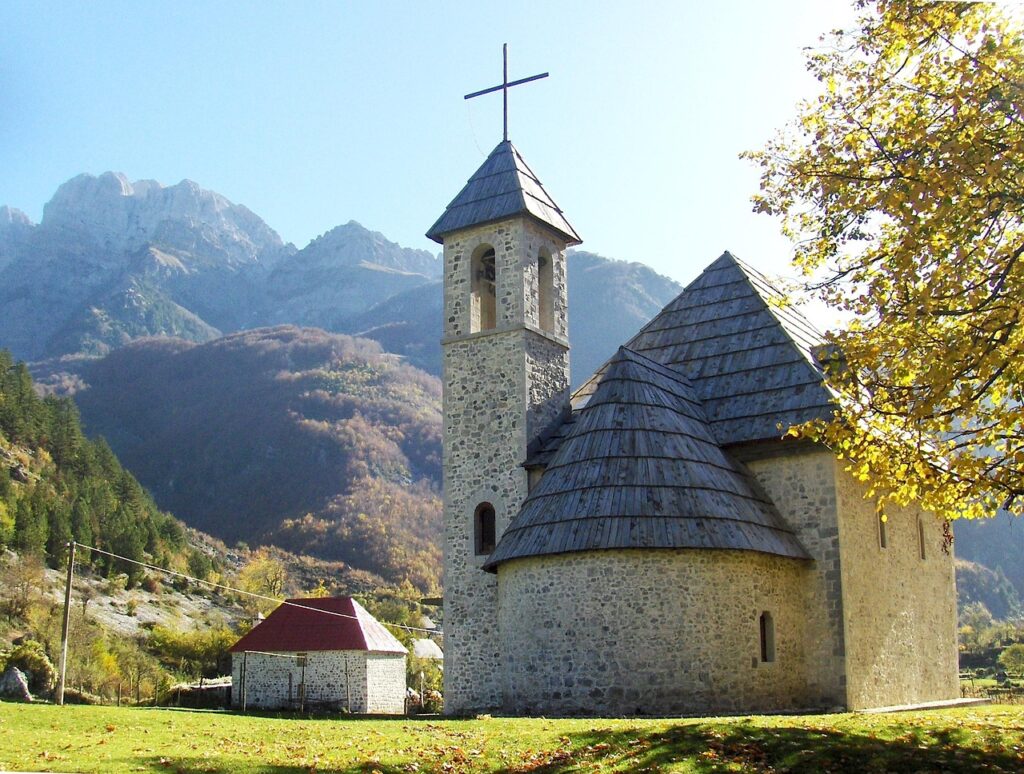
The Albanian Alps (Theth, Valbona) shelter villages where the traditional economy still strongly relies on shepherding and weaving. Theth National Park (Thethi, Shkodër 4303, Albania) and Valbona Valley National Park (Valbonë, Kukës 4244, Albania) are not only hiking paradises: they are places where textile craft exists in symbiosis with sheep husbandry. Several guesthouses offer introductory weaving and natural dye workshops.
Useful addresses: Guest House Kol Dedaj, Theth 4303, Albania — often praised by travelers for its hospitality. Reception: 24h (by reservation). Prices: night ≈ €20–35 per person, dinner with local specialties ≈ €6–10. Many guesthouses include or offer demonstrations in knitting/weaving on request (extra cost ≈ €5–15). In Valbona, Valbona Pack Lodge, Valbonë 4244, Albania, offers lodging and contacts for local artisans; room rates ≈ €25–45 depending on season.
Northern costumes are notable for their robustness: thick wool coats, vests decorated with woven bands, reinforced trousers and skirts for cold weather. Motifs can be highly geometric, with a dark color palette punctuated by red and gold accents. Workshops are often small: a room where a woman spins wool on a spindle, another where the loom is set up. Natural dyes come from local plants (walnut, seaweed, roots) and produce warm, weathered shades.
Visiting tips: access to Theth is seasonal — the mountain road is generally passable from April to October; in winter access may be on foot or by 4×4 with a guide. Book accommodation in advance if you want to take part in a weaving workshop, as places are limited. Bring sturdy shoes, since workshops are sometimes on upper floors of stone houses. If you buy a blanket or rug, check the density and look for regular knots; a good-quality blanket can cost between €60 and €180 depending on size and complexity.
Voskopoja and the Forgotten Workshops: Painting, woodwork and ecclesiastical embroidery
Voskopoja (Voskopoje), in the Korçë region, is a village of historical significance for religious culture and art. This hamlet was an intellectual and artistic center in the 18th and 19th centuries and still preserves churches and workshops where ancient techniques survive. Address: Voskopoja, Korçë 7001, Albania. Access: departmental road from Korçë (about 45–60 minutes). Voskopoja hosts churches decorated with icons and handcrafted liturgical embroidery.
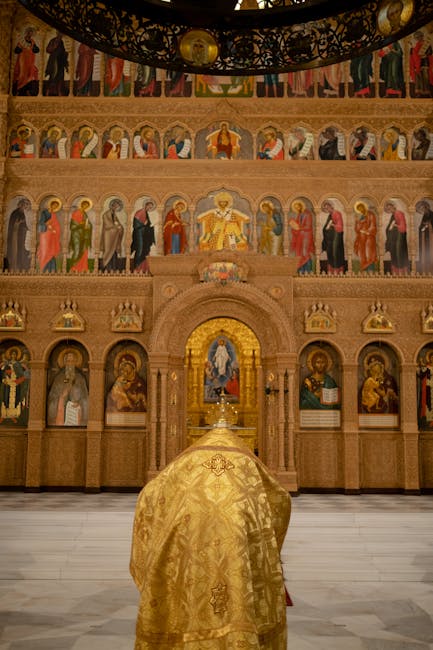
One site to visit is the Orthodox Church of Saint Nicholas (Holy Trinity Church), Voskopoja, Korçë 7001, Albania — visiting hours generally 09:00–16:00 (times may vary due to services). Local embroiderers produce liturgical textiles (antimensia, albs, pouches) using gold thread and silk; these pieces can take weeks of work. Nearby, several woodcarving and icon-painting workshops restore icons and craft ornate frames. Prices for contemporary reproductions vary: small hand-painted icons ≈ €30–80; commissioned work, quotes starting around €150.
Voskopoja illustrates a village where religious craft intertwines with folk art: floral motifs and Christian symbols coexist across costumes and textiles. Embroidered motifs can indicate parish membership or participation in a local confraternity. To meet artisans, contact the « Cultural Heritage Workshop », Voskopoja Center, Korçë 7001 — this center sometimes coordinates guided visits and workshops (contact via Korçë tourist office: Rruga S. Mëllia 2, Korçë 7001, Albania).
Practical advice: Voskopoja is best explored at a relaxed pace. Allow at least half a day to visit the churches, speak with restorers and try to attend an embroidery demonstration. Artisans will explain the steps (preparing the ground, choosing thread, stitch techniques); if you want to commission a piece, ask for a production timeline, a deposit (often 30%) and options for secure shipping. Roads can be narrow: a compact vehicle is recommended, but park in the village to walk around comfortably.
Responsible Practices and Local Tips for the Savvy Buyer
Buying a handcrafted object in Albania means building a direct relationship with living craftsmanship. But that relationship requires responsibility and cultural sensitivity. Here are concrete, practical recommendations to apply during your visits:
- Favor cooperatives and family workshops: they often return a larger share of profits to producers. Examples: Cooperative Qera Wool Workshop (Libohovë Bazaar, Rruga Qazim Kokoshi, Libohovë 6009); Cultural Heritage Workshop (Voskopoja Center, Korçë 7001).
- Ask about material origin: a blanket made from local wool, washed and dyed on-site, has a higher cultural and ecological value than an imported product. An honest seller will explain sourcing (sheep from valley X, dye from plant Y).
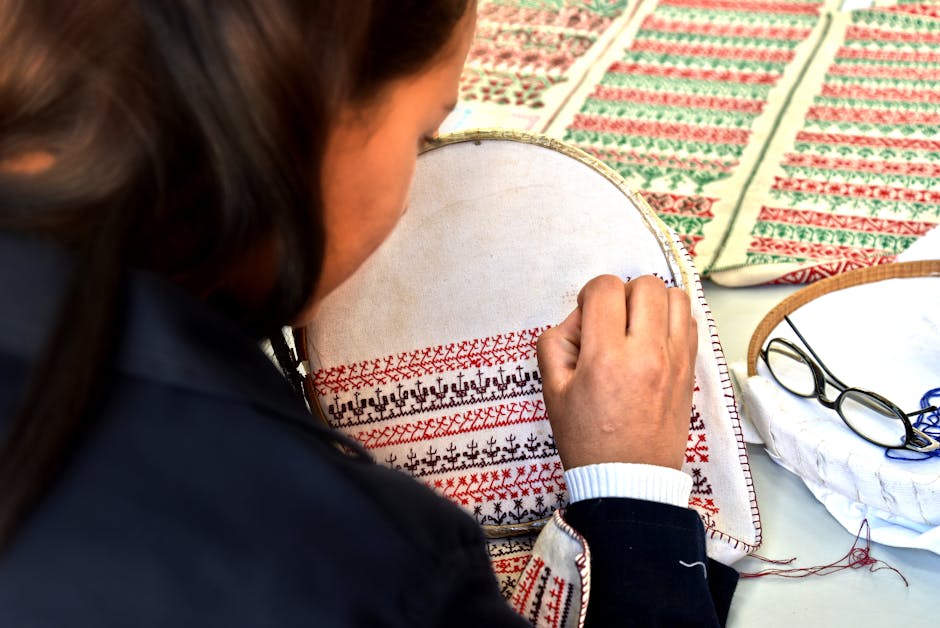
- Check techniques: look for information on density, number of stitches per centimeter, presence of knots, edge finishing. These details often indicate artisanal quality.
- Haggle with respect: 10–20% reductions are normal in bazaars (Krujë, Gjirokastër); avoid offending the artisan by driving a hard bargain for a piece that took days to make.
- Consider transport: rugs, costumes and wooden objects need careful packing. Ask your accommodation or a local shipping service for help (fees vary, e.g. €20–80 depending on volume and destination).
- Support transmission: if interested, consider funding a lesson, organizing a workshop or buying supplies — participatory ecotourism initiatives help keep these skills alive.
Finally, the best way to respect communities is to ask questions, listen and buy with intention. A costume, textile or icon brought back from Albania should be a living memory: wear it on special occasions, display it respectfully and tell its story when you share it with others. That’s how travel becomes an act of cultural protection.
Conclusion — Take Home More Than an Object: A Woven Memory
Visiting Albanian villages to discover costumes and crafts is not just about filling your luggage with picturesque items: it’s about entering a chain of human transmission where every embroidered stitch, twist of thread and rug pattern tells a story. The villages of Gjirokastër, Berat, Krujë, Theth, Valbona and Voskopoja offer complementary experiences: city museums set the historical frame, family workshops reveal the techniques, and local markets enable direct exchange with artisans.
This guide has given you concrete reference points: exact addresses (e.g. Ethnographic Museum, Rruga Gjin Aleksi 1, Gjirokastër 6001; Onufri Museum, Castle of Berat, Mangalem Quarter, Berat 5001; Old Bazaar, Krujë 1501), typical hours (museums 09:00–17:00, bazaars 09:00–19:00), indicative prices in euros (entrances €4–6, workshops €5–25, textiles €15–180) and practical tips for visiting and buying. Keep in mind that this information changes: seasons, festivals, artisans’ availability and price fluctuations can alter details. It’s wise to call ahead, book workshops and carry cash for immediate purchases.
Beyond objects, bring back learned gestures — the rhythm of the loom, the embroiderer’s patience, the way to recognize local wool. These gestures bring you closer to a village’s soul and allow you to become a bearer of memory. By respecting artisans, buying responsibly and telling what you’ve seen, you help preserve these know-how traditions. Whether you’re after a dense, rustic rug, an embroidered shirt, a filigree jewel or a hand-painted icon, Albania offers many gateways into living heritage.
To finish, a few non-negotiable practical tips: plan your travel according to the seasons (mountain roads passable April–October), bring cash (euros and lek), ask for timelines on custom orders, and above all, accept that some pieces take time — authenticity cannot be rushed. By following these principles, your trip becomes a genuine exchange: a gift of recognition to the hands that weave, carve and embroider history.