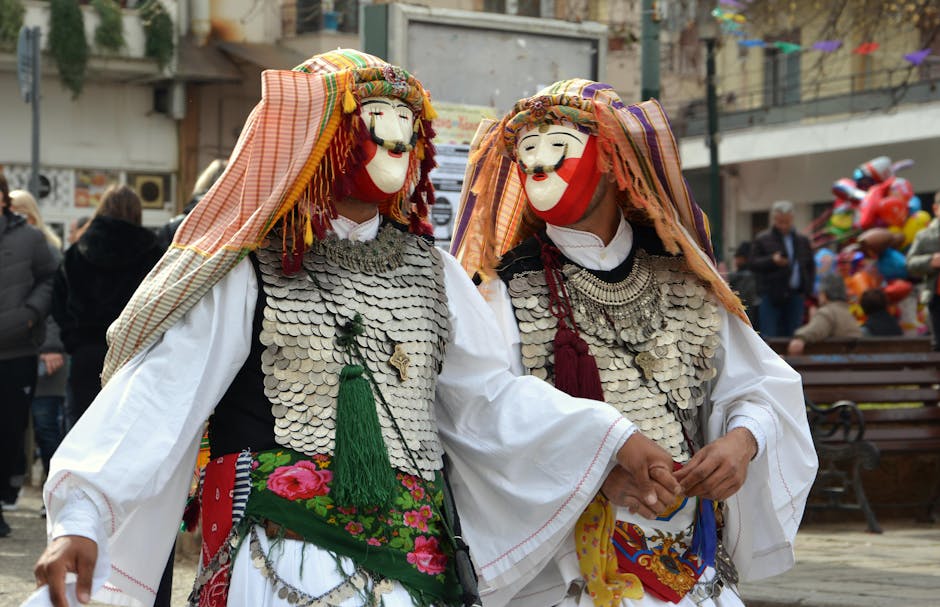






Introduction: Why Follow Albania’s Annual Festivals
Albania is a country where history, tradition and warm hospitality meet on every corner. From the peaks of the Albanian Alps to the turquoise beaches of the Riviera, annual celebrations offer a deep dive into the nation’s soul: polyphonic singing, folk dances, artisan markets, religious processions and contemporary urban parties. For the curious traveler, following Albania’s festival calendar means meeting communities, sampling recipes passed down through generations, and seeing how past and present converse day after day.
This article is a practical, comprehensive guide to Albania’s unmissable annual festivities: exact locations, addresses, indicative prices in euros, typical timings, immersive descriptions and local tips to make the most of each event. Whether you’re planning a trip to Elbasan for Dita e Verës, passing through Vlorë for independence commemorations, or booking tickets for cultural festivals in Tirana, you’ll find usable information here to help plan your visit.
Albanian celebrations take place at different scales. Some, like Dita e Verës (Summer Day) in Elbasan, are deeply rooted local traditions and draw tens of thousands of visitors. Others, such as Tirana’s arts and film festivals, present international programs while keeping an authentic feel, often hosted in iconic urban venues. Major national commemorations tied to independence and liberation feature official ceremonies, reenactments and free concerts in symbolic spots like Skanderbeg Square in Tirana or Plaza e Flamurit (Flag Square) in Vlorë.
This guide includes practical details: full addresses (when permanent), usual opening times (market openings and start times for festival programs), price ranges in euros for tickets and side activities, plus local tips — for example, where to grab a good coffee before a parade, which streets to avoid when parking, and how to book tickets in advance. Bear in mind that some festivals may change venues or prices from year to year; it’s strongly recommended to check official sites or event pages a few weeks before traveling.
Visually, Albanian festivals are rich: colorful costumes, flags, outdoor stages backed by medieval fortresses, craft markets along cobbled lanes, and performances in historic squares. To help you picture these scenes, I’ve placed evocative image markers throughout the article — handy if you’re putting together a gallery or gathering photo references for your trip.
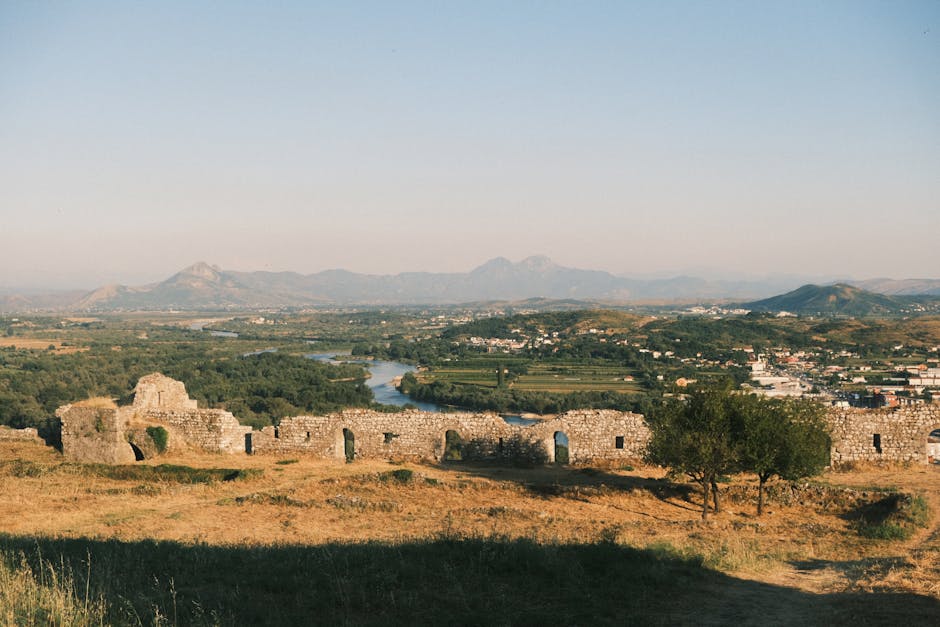
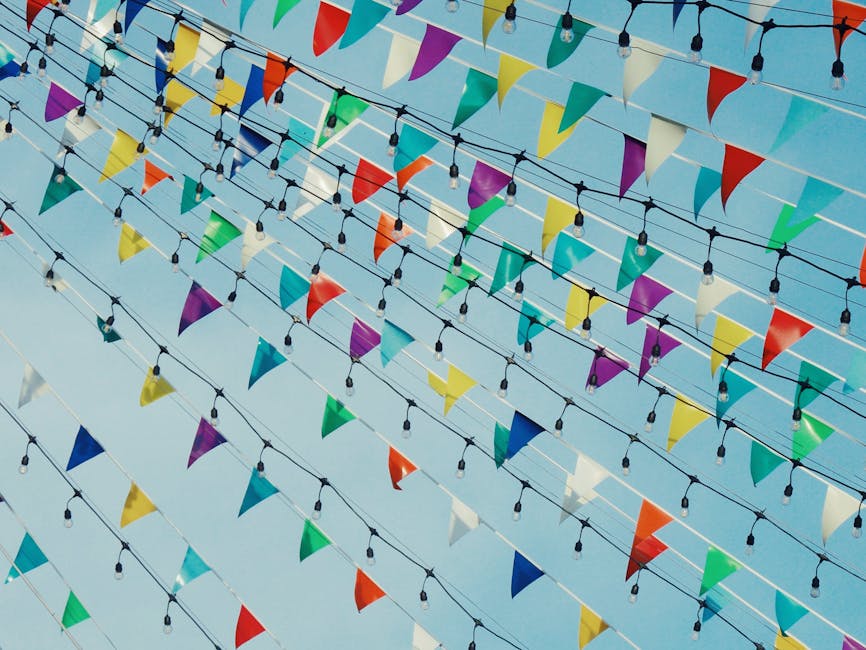
Dita e Verës (Summer Day) — Elbasan: Spring Traditions and Pagan Rites
Dita e Verës, celebrated every year on March 14 in Elbasan, is one of Albania’s liveliest popular festivals. Rooted in pre-Christian traditions, it symbolically marks the end of winter and the arrival of renewal. The heart of the event is the old town of Elbasan and its historic centre — especially Sheshi Çarshia e Vjetër (Old Bazaar Square), approximate address: Sheshi Çarshia e Vjetër, 3001 Elbasan, Albania. Festivities start early in the morning and continue all day, often culminating with the lighting of a large ceremonial bonfire at sunset.
Typical schedule: craft stalls open from 09:00; traditional performances begin around 11:00; the procession and fire rituals take place between 17:00 and 19:00. Access to the city centre and outdoor performances is usually free. However, if you want to attend concerts or gala dinners organized by the municipality, expect to pay between €5 and €25 depending on the program.
Immersive description: wandering the cobbled streets of Elbasan’s old town, you’ll pass stalls piled with local products — jams, honey pastries, mountain cheeses and round breads baked in traditional ovens. Groups of singers in folk costumes perform polyphony and circular dances, while artisans weave and sell rugs and carved wooden items. The scents of grilled meats and spices fill the air; visitors are traditionally offered ballokume (local cookies).
Local tips: arrive before noon to enjoy the craft displays and book a table if you plan to dine at popular restaurants — for example Hotel Elbasani Restaurant, address: Rruga Taulantia, 3001 Elbasan, which serves festive menus (budget €15–30 per person). Opt for taxi or bus transport from Tirana (buses from Tirana bus station, southern terminal, regular departures; trip ~1h15, price €2–4). If you photograph participants, always ask permission — it’s appreciated and often rewarded with a smile or a snack.
National November Holidays: Independence Day and Liberation Day — Vlorë and Tirana
National commemorations in Albania take place in late November and are major moments on the civic calendar. Independence Day (Dita e Pavarësisë) is observed on November 28, followed by Liberation Day on November 29. Official events alternate between Vlorë — the historic city where independence was declared in 1912 — and the capital Tirana, which hosts national ceremonies, concerts and exhibitions.
In Vlorë the focal point is Plaza e Flamurit (Flag Square), near the Museum of Independence, address: Bulevardi Ismail Qemali, 9401 Vlorë, Albania. State ceremonies and flag-raising begin as early as 09:00. Access to the square and outdoor ceremonies is free. The museum offers commemorative exhibits; opening hours: 09:00–17:00, entrance fee ≈ €3–5.
In Tirana activities center around Skanderbeg Square (Sheshi Skënderbej), address: 10 Dëshmorët e Kombit, 1001 Tirana, Albania, where concerts, military parades and exhibitions take place. National museums (National Historical Museum, Art Museum, Palace of Culture) often open for free or reduced fees on these days; expect special programs from about 10:00 until 22:00. Evening concerts can be free outdoors or ticketed (€20–50 for shows with well-known artists).
Immersive description: attending the ceremonies you feel the solemn pride of a people honoring their history. In Vlorë the waterfront is draped in red and black flags, speeches ring out from the museum balcony, and families gather to share traditional dishes. In Tirana the vibe is more urban: stages rise up on the square, food trucks sell local favorites like byrek and qofte, and a cosmopolitan crowd enjoys the shows.
Local tips: if you plan to attend official ceremonies, arrive early (at least an hour before) to secure a spot. Security checks can slow entry. For dinner after events in Vlorë, try Restaurant Limani, address: Rruga Marina, Porti i Vlorës, 9401 Vlorë, open 12:00–23:00; dishes from €8. In Tirana, the Blloku district offers many bars and restaurants open late — for example Artigiano at Vila, address: Rruga Sami Frashëri, 1001 Tirana, mains €10–25.
Tirana International Film Festival (TIFF) and Urban Cultural Festivals — Cinema, Jazz and the Arts
Tirana is Albania’s modern cultural hub and hosts several annual arts festivals. The best-known is the Tirana International Film Festival (TIFF), an annual event that draws filmmakers and cinephiles from the region. The festival typically takes place across several venues: Cinema Millenium (address: Rruga Ismail Qemali 19, 1001 Tirana, Albania), Kino Armata (address: Rruga Abdyl Frashëri, 1001 Tirana), and outdoor screenings at Skanderbeg Square. Screenings usually start in the late afternoon and run late into the evening.
Tickets and prices: costs vary by screening. Typical rates: single entry €4–8 for regular sessions, €10–15 for premieres and special evenings; festival passes €30–70 depending on length and access. Typical hours: 16:00–23:30, with closing nights and parties stretching to 01:00.
Other urban festivals: Tirana also hosts the Tirana Jazz Festival (concerts in venues like House of Leaves Cultural Center, Rruga Mustafa Matohiti, 1001 Tirana), street art festivals and various electronic music events in summer. These events often feature outdoor stages, food truck markets and workshops. Concert tickets: €10–40 depending on the artist; hours: shows 20:00–02:00.
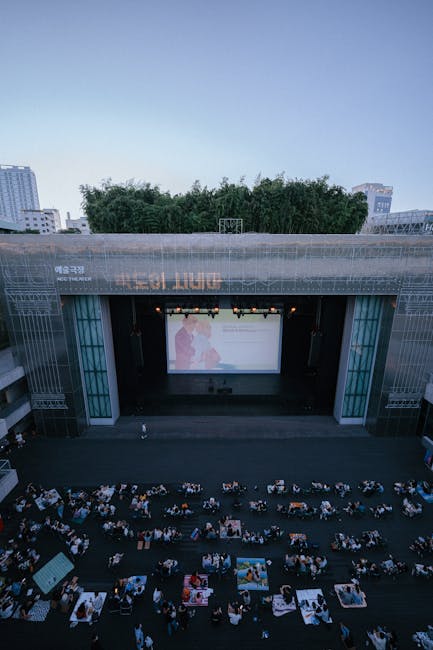
Immersive description: picture outdoor screenings under the lights of Skanderbeg Square with the façade of the National Historical Museum lit up for the occasion. Film lovers chat about screenings over Turkish coffee or a glass of raki, while jazz groups improvise in smoky clubs. Festivals are great chances to meet directors, join panels and discover contemporary Albanian cinema.
Local tips: book tickets online early, especially for premieres. Taxis from the center usually cost €2–5; use local apps or ask your hotel. If you enjoy late events, pack a light layer — summers are mild but outdoor nights can be cool. Finally, check festival official pages (websites and social media) for detailed programs and venue changes.
Folk Festivals and Regional Markets: Immersing Yourself in Local Traditions
Beyond the major city events, Albania is full of annual folk festivals and regional markets where tradition is still very much alive. Among the most picturesque are Berat’s artisan markets, village festivals in the northern highlands, and wine celebrations around Korçë. These events are often scheduled throughout the year according to harvests and religious feasts.
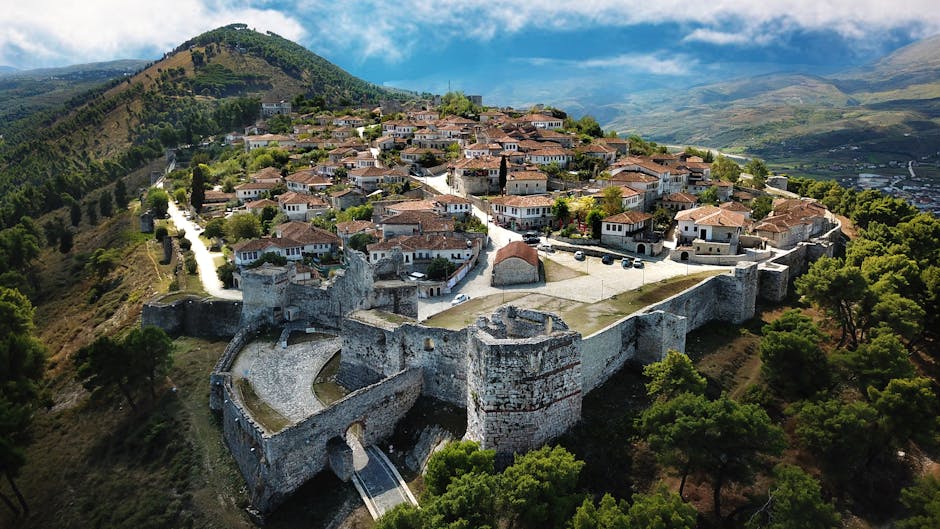
Example: Berat’s artisan fair takes place regularly during the tourist season in the historic centre — especially around the Berat Castle (Kalaja e Beratit), address: Rruga e Kalasë, 5001 Berat, Albania. Usual hours: stalls open 10:00–18:00; castle entry €2–4. You’ll find weavings, blown glass, filigree jewelry and local wine tastings.
In Korçë, beer festivals and local tradition events show up as small fairs in the town centre, often near Rruga George W. Bush (a pedestrian zone from the main square), address: Rruga « George W. Bush », 7001 Korçë, Albania. Paid tastings ≈ €3–8 per sample; markets open 09:00–21:00 depending on the season.
Immersive description: at an artisan fair you’ll hear polyphonic songs, watch craftsmen weave on old looms, and smell spices and fresh breads. Sellers often give demonstrations: cheese-making, olive-pressing, or filigree jewelry work. Hospitality runs deep; it’s common for a vendor to offer a glass of raki or a piece of cheese to taste.
Local tips: use cash for small shops (euros are sometimes accepted but locals prefer leks). Haggle politely on crafts — a 5–10% discount is often possible. If buying food to take home, ask for airtight packaging and exact origin to avoid customs issues.
Practical Tips for Planning Your Festival Trip to Albania
Timing your trip around annual festivals takes a bit of planning: book accommodation, verify schedules and buy tickets in advance. Here are concrete, practical recommendations to help you get the most out of the celebrations.
- Book accommodation early: during major events (Dita e Verës, November holidays, summer festivals) hotels fill up fast. Examples: Hotel Elbasani (Rruga Taulantia, Elbasan), Hotel Vlora International (Rruga Ismail Qemali, Vlorë) or Plaza Tirana (Rruga Dëshmorët e Kombit, Tirana). Indicative prices: €35–120 per night depending on category and season.
- Transport: intercity buses connect Tirana with Elbasan (~1h15, €2–4) and Tirana with Vlorë (~2.5–3 h, €6–10). City taxis cost €2–8 depending on distance; agree the fare beforehand if the meter isn’t used.
- Money: while cards are accepted in restaurants and large shops, always carry euros and leks (local currency) for markets and transport. Exchange is available at city bureaux de change (hours 09:00–18:00).
- Safety: most events are family-friendly and safe. Still, watch your belongings in crowds and avoid side streets at night if you’re alone.
- Respect traditions: for religious and family celebrations, dress modestly and follow local customs. Ask permission before photographing older people or ritual acts — it’s a sign of respect.
Conclusion: A Living Calendar to Explore Year-Round
Annual festivals in Albania form a living calendar where each season brings its own experiences: Elbasan’s Dita e Verës in spring, national commemorations in November in Vlorë and Tirana, plus a host of cultural festivals and regional markets through summer and autumn. For visitors, these celebrations offer more than spectacle: they provide genuine encounters with living traditions, immersion in local cuisine, and the chance to share convivial moments with residents.
When planning your trip, prioritize checking dates and venues via municipal websites and festival pages — programs can change year to year. Book accommodation and tickets early for major events, plan for several payment methods, and be ready to adapt to event schedules. Above all, bring curiosity, respect and openness. You’ll return home not only with photos and souvenirs, but with meetings and sensations that will linger long after you leave.
Whether you love traditional music, are a film buff, a foodie or simply curious about local life, Albania offers a rich, accessible festival calendar. Use this guide as a starting point: note the addresses, usual hours and indicative prices, then refine your itinerary by contacting local tourist offices or event organizers. Safe travels and enjoy the celebrations — in Albania, festa is for everyone!