





Introduction — Instagrammable beaches and the tourist experience in Albania: a modern tension
The Albanian coast, long and wild, has in recent years become a magnet for travelers after sun, crystal-clear water and picture-perfect scenery. From the coves of Ksamil to the cliffs of Dhërmi, these places have been given a new life through Instagram and other social platforms, drawing larger—and often younger—crowds. But the question stands: do these « Instagrammable » beaches actually improve the visitor experience or do they make it worse? This article tackles that debate in the Albanian context, looking at specific spots, practical addresses, typical prices, beach-bar hours and activities, and offering on-the-ground tips to keep your trip enjoyable and responsible.
Below we dive into several emblematic Albanian beaches: Ksamil, Dhërmi, Jale, Gjipe, Porto Palermo, Himarë and Borsh. For each, you’ll find immersive descriptions—water color, sand or pebble type, available facilities—plus concrete info like the administrative address or locality, sunbed and parking rates in euros, and typical opening hours for beach establishments. We also cover the side effects of digital popularity: mass arrivals, price hikes, overbuilding, noise and loss of authenticity, but also tangible benefits (better infrastructure, services, and maritime safety).
Finally, this guide doesn’t only list complaints. It offers practical strategies to look past the « Instagrammable » façade and reconnect with a richer, more authentic beach experience: when to go (seasons and time of day), alternative routes, lodging choices, recommended beach bars and local restaurants, and simple actions to reduce your footprint. Whether you’re an amateur photographer, a traveler chasing authenticity or an itinerary planner, this piece will help you decide whether the perfect beach is the one you scroll past or the one you actually live.
1) Ksamil: postcard-perfect but a crowd magnet (250+ words)
Place: Ksamil Beach, Rruga e Plazhit, Ksamil, 9704, Sarandë, Albania. Approximate GPS: 39.7854° N, 20.0126° E.
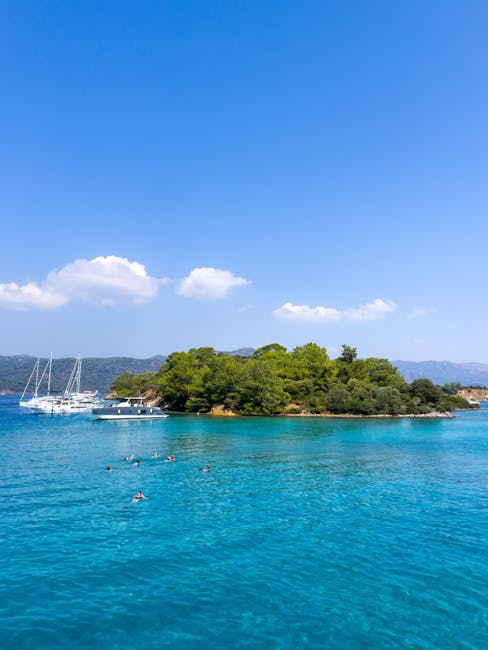
Description: Ksamil is often named the icon of Albanian beaches: tiny islands just off the shore, water so turquoise it looks Caribbean, and fine sand. The sea is shallow and warm in summer—perfect for families and photos. Yet the very beauty draws crowds—especially in July and August—and can sometimes turn a peaceful setting into rows of packed sunbeds, hawkers and constant water-taxi traffic.
Prices and services: Public beach is usually free. Sunbeds and umbrellas: €5–10 per day depending on the venue. Stand-up paddleboard or kayak rental: €10–20 / hour. Water taxis to nearby islets: around €10–15 per person for a short crossing. Paid parking near the beach: €2–5 / day depending on the season.
Opening hours: Beach accessible 24/7. Bars and restaurants along Rruga e Plazhit typically open from 08:00 to 23:00, some staying open until 01:00 in high season.
Instagram impact: Carefully framed photos often hide the human density and environmental pressure. Local observers note a rise in litter and an increase in commercialization (souvenir stalls, temporary bars). However, the visibility has also led to investments: improved piers, seasonal lifeguards, signage and rental services meeting European standards.
Local tips:
- Visit early in the morning (6:30–9:00) to find quiet space and get that golden light for photos.
- Walk 10–20 minutes southwest to find less-crowded coves around Plazhi i Haxhiut.
- Bring reusable bags and take your trash with you: waste management can be stretched during peak season.
2) Dhërmi and Jale: cliffside beauty and nightlife beats
Dhërmi (Dhërmi Beach) — Rruga Kombëtare SH8, Dhërmi, 9703, Vlorë County, Albania. Approximate GPS: 40.0736° N, 19.6647° E.
Jale Beach — Plazhi i Jalës, Jale, Himarë, 9301, Albania. Approximate GPS: 40.1092° N, 19.7409° E.
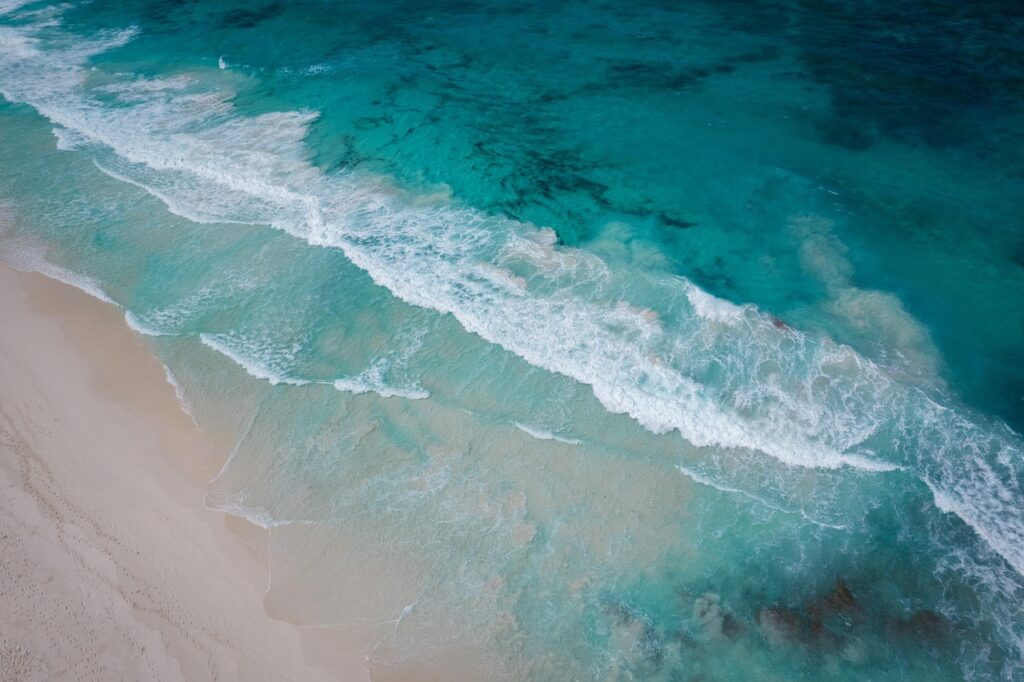
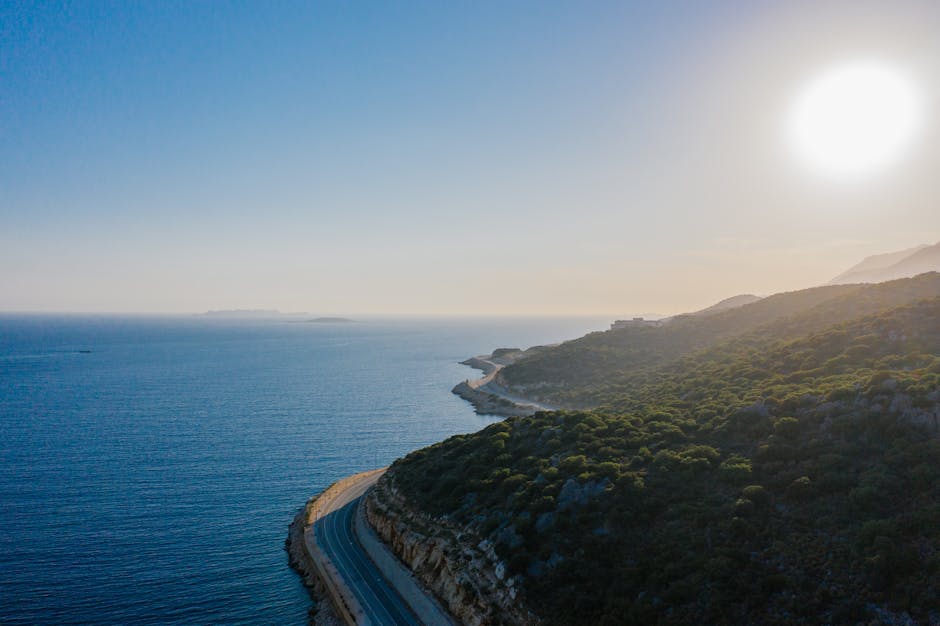
Dhërmi stands out with a wilder coastline, limestone cliffs and deep, intense-blue waters. The village of Dhërmi serves up a mix of traditional guesthouses, family tavernas and modern beach bars. Beaches here are mixed—sand and pebbles. Jale is smaller and very popular with groups looking for beach vibes plus DJ-driven nightlife during the season.
Prices: Sunbed in Dhërmi: €5–12 / day. Paid showers and toilets at some spots: €0.5–1.5. 4×4 rentals to reach secret coves: €40–70 / day.
Opening hours: Beach venues generally open from 09:00 to 02:00 (bars). Summer parties often kick off after 22:00 and can run until dawn in certain places.
Pros and cons of being Instagrammable: Photos of cliffs and winding coastal roads are perfect for your feed—but they also attract bursts of mass tourism. The downside is higher local prices (food, drinks, activities) and a gradual shift in visitor profile (fewer local families, more international party crowds).
Local tips:
- For a peaceful swim, favor mornings in Dhërmi (7:00–10:00) and avoid Jale after 22:00 if you want quiet.
- If you want an aerial shot without the crowd, drive up SH8 at sunrise for the panoramic view from Dhërmi Belvedere.
- Book accommodation well in advance for summer: small hotels fill up by June.
3) Gjipe, Porto Palermo and Borsh: less « Instagrammable » but more authentic alternatives
Gjipe Beach — Kanun i Lëkurës, Rruga e Gjipe, Vlorë County, Albania. Access by hiking trail or boat (moderate difficulty). Approximate GPS: 40.1922° N, 19.5483° E.
Porto Palermo — Forti i Porto Palermos, Porto Palermo, Himarë, 9401, Albania. Approximate GPS: 40.0386° N, 19.7705° E.
Borsh Beach — Plazhi i Borshit, Borsh, 9731, Sarandë, Albania. Approximate GPS: 39.9211° N, 19.9315° E.
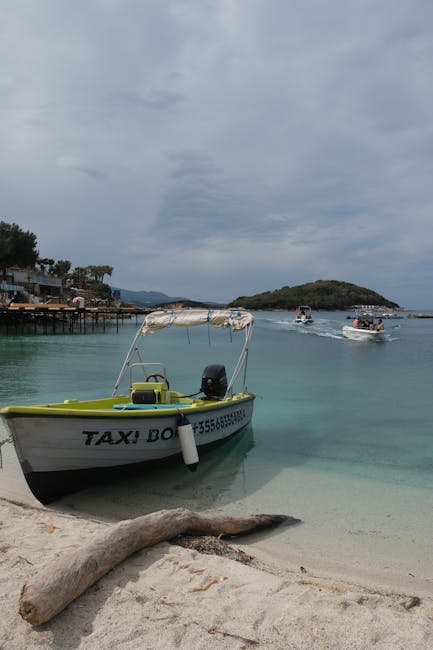
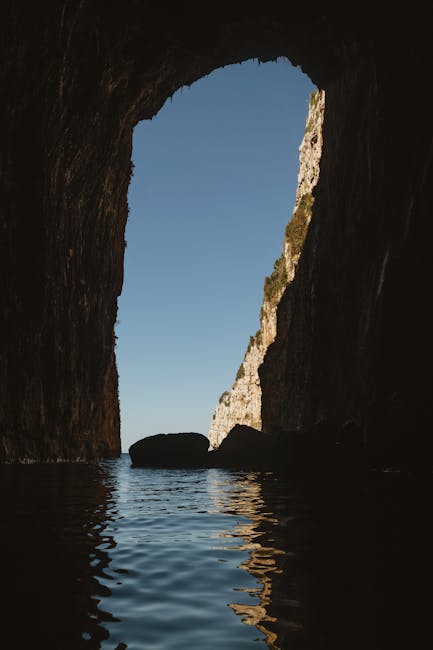
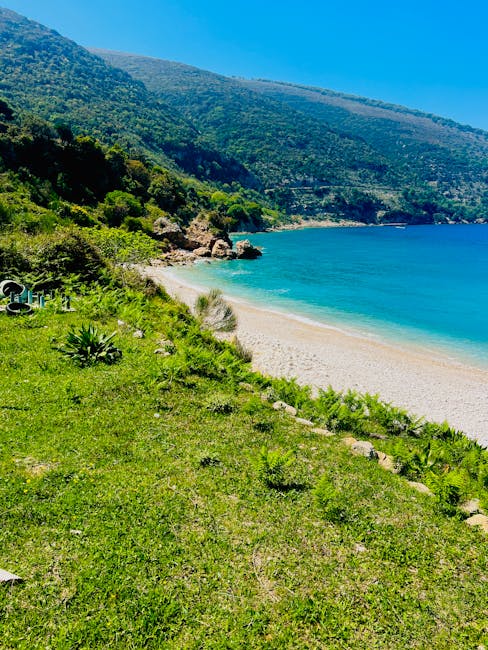
These beaches often deliver a more intimate experience. Gjipe is a sheltered cove reached after a 30–45 minute hike (wear proper shoes) or by boat from Himarë; the effort is rewarded with a large pebble beach and crystal-clear water, with very few facilities. Porto Palermo is famous for its small sheltered bay and its castle (Forti i Porto Palermos)—very photogenic but less crowded than Ksamil. Borsh, with several kilometers of pebble shoreline and tamarisk trees, is ideal if you want peace and wind for windsurfing.
Prices: Entry to natural sites: generally free. Boat transfer from Himarë to Gjipe: €10–20 / person. Entrance to Forti i Porto Palermos: €2–4 (depending on season and guide). Sunbeds in Borsh: €3–8 / day.
Opening hours: Natural sites accessible 24/7. Forti i Porto Palermos typically welcomes visitors from about 09:00 to 18:00 depending on the season, with guides sometimes available on-site.
Why choose these spots: Less digital marketing usually means fewer crowds and a more rooted experience in the landscape and local culture. The trade-off is limited services (not always sophisticated restaurants, spotty mobile coverage, secondary roads in poor condition).
Local tips:
- Bring water and snacks to Gjipe: there are no permanent shops on-site.
- For Porto Palermo, combine a castle visit (hire a local guide for €10–20) with a swim in the bay for a full-day outing.
- In Borsh, explore by bike or scooter along the long beach to change scenery and find authentic family-run cafés.
4) Practical and ethical measures: how to enjoy without feeding the excess
Beyond the « Instagrammable vs authentic » divide, there are rules and habits you can adopt to protect your experience and Albania’s coastal environment. First, think timing: visiting early morning or late afternoon reduces crowds and offers softer light. Second, favor shoulder seasons (May–June, September–October): cheaper accommodation, calmer beaches, and still-pleasant temperatures (water often between 22–26 °C).
Budget and expectations: Expect to pay more in tourist hotspots. Count on €12–25 for a full lunch in a beach bar in Ksamil or Dhërmi; in lesser-visited villages like Borsh, a meal can cost €6–12. Hotels in high season: €40–150 / night depending on standard. Booking ahead usually helps avoid surprises and supports local businesses.
Good environmental practices:
- Leave no waste: carry a bag for your trash. Municipal services are often overwhelmed in summer.
- Avoid tripods and trampling coastal vegetation for the perfect shot: this damages habitats.
- Support local businesses (cafés, fishermen, guides) rather than big chains or unregulated hawkers.
Responsible photo tips: Use wider framing to show the surroundings, avoid compositions that turn a place into a decontextualized backdrop. Ask permission before photographing people, especially locals. Finally, if a spot requires entering private property or involves risk (unstable cliffs, unmarked trails), heed the signs and prioritize your safety.
Conclusion — A nuanced verdict: Instagrammability isn’t the enemy, awareness is
« Instagrammable » Albanian beaches aren’t inherently worse for the tourist experience: they put Albania on the international map, attract investment and can improve safety and service offerings. However, the perverse effect appears when image-chasing overshadows the quality of the experience: unregulated influx, price inflation, environmental strain and loss of authenticity. Ksamil is a clear example of this double edge: paradise waters but summer pressure that can spoil a stay if you show up unprepared.
The key is awareness and preparation. Choose your times (early/late and shoulder season), mix popular spots with quieter alternatives (Gjipe, Porto Palermo, Borsh for more tranquility) and adopt responsible habits (zero-waste, support local traders). For photographers and influencers: favor stories that show the human and ecological context, not just pretty shots. For families and travelers seeking calm: check opening hours, parking (€2–5 / day) and sanitary services (€0.5–1.5 for a shower) before you arrive.
Ultimately, an « Instagrammable » beach isn’t an automatic condemnation. It’s a signal: it has potential, but it requires management and responsible behavior so that your experience—and that of future generations—remains rich, peaceful and sustainable. If you’re planning a trip to Albania, combine the well-known spots with lesser-known alternatives, follow the local tips above, and turn each photo into a testament to thoughtful travel.