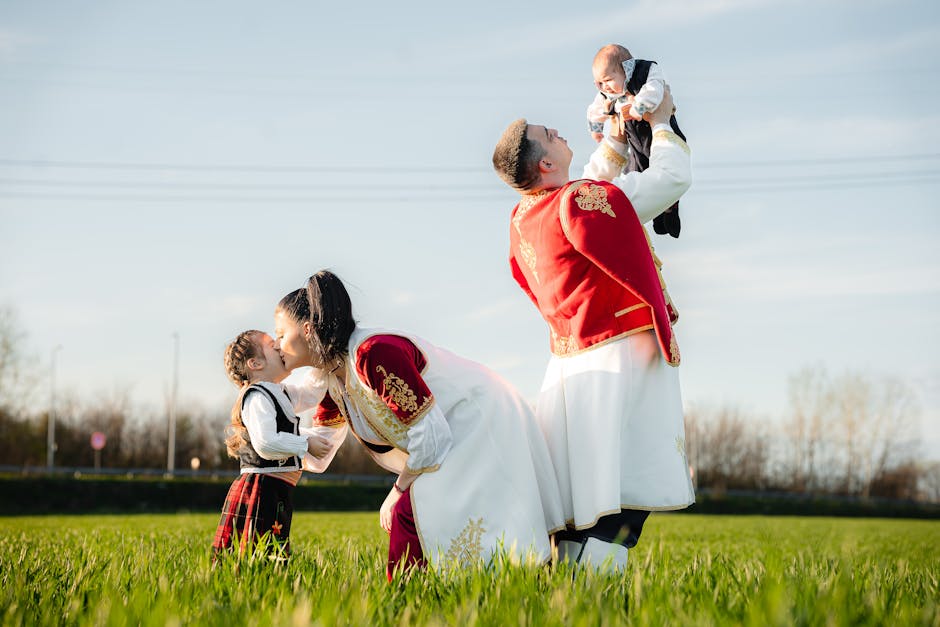






Introduction: The Central Role of Family and Hospitality in Albanian Culture
Family and hospitality are at the heart of daily life in Albania. In a country whose social bonds have endured the Ottoman Empire, a communist regime and the shift to a market economy, family practices and codes of welcome remain foundational. For travelers, understanding these social dynamics deepens the experience, turns chance encounters into lasting exchanges and opens the door to authentic moments — a shared meal in a Berat home, a long coffee in Tirana, or an impromptu invitation at a wedding in Gjirokastër.
Historically, the idea of besa — a pledge of honor and protection — and elements of the Kanun (the customary law of the north) have shaped how people view family obligations, guest protection and social duties. These values, sometimes idealized, still show up in concrete ways today: a dish offered without expecting anything in return, a room kept ready for a guest, tea served to extend a conversation. The extended family (grandparents, uncles, aunts, cousins) often plays as significant a role as the nuclear household; big decisions are frequently made collectively and large family gatherings mark social life.
For travelers in Albania, this translates into a few practical realities. First, hospitality is visible everywhere: in private homes, at small family-run guesthouses and even from shopkeepers who insist on offering a fruit or a coffee. Second, there are implicit rules to respect: politely accept a drink when it’s offered, show respect to elders and don’t be offended if people ask about your family — those questions express genuine interest. Finally, attending local celebrations, weddings or baptisms (with an invitation) is a unique opportunity to see how food, music and dance strengthen social bonds.
In this guide we’ll look at forms of Albanian hospitality by region (Tirana, south and north), places where you can experience genuine family hospitality (guesthouses, taverns and markets), and practical tips for behaving respectfully and naturally. We’ll also list addresses, opening hours and indicative prices for cultural visits and recommended family-run places so you can plan confidently and make the most of this warm culture.
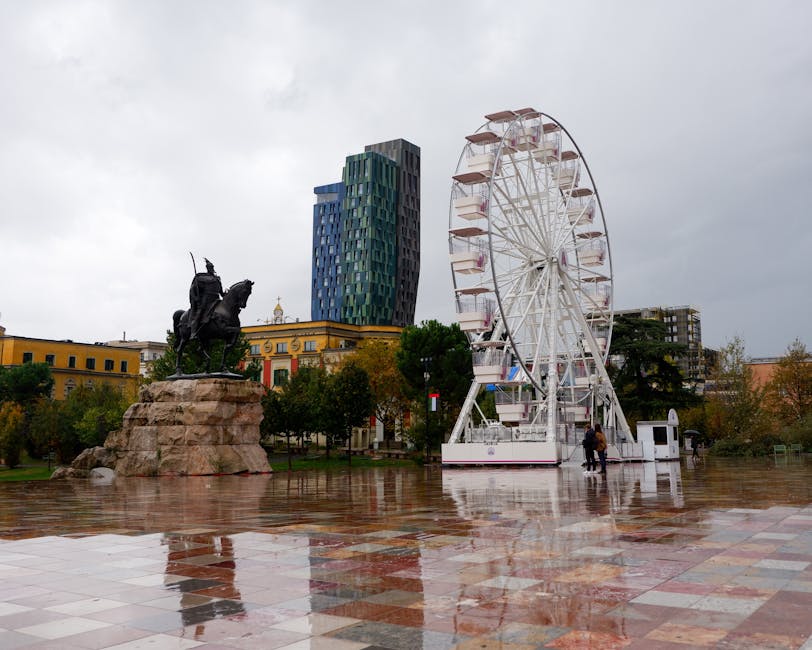
1) Tirana: Where Family Traditions Meet Urban Hospitality
Tirana, a vibrant capital, is a great place to see how traditional hospitality adapts to a modern urban context. On the large central square, Sheshi Skënderbej (Skanderbeg Square), public institutions, cafés and the mosque coexist: a social crossroads where families stroll, gather for coffee and celebrate events. For cultural immersion, visit the Et’hem Bey Mosque (Sheshi Skënderbej, Tirana 1001) — generally open from 08:00 to 17:00, free entry, closed to visitors during prayers or ceremonies. A short walk away, the National History Museum (Sheshi Skënderbej, Tirana 1001) offers a permanent exhibition on Albanian history; opening hours: 09:00–18:00 (closed Mondays), entrance around €5 for adults.
To understand everyday hospitality, head to the Blloku neighborhood, once reserved for communist elites and now a trendy hub of cafés and restaurants. Small family-run eateries often serve classic dishes at reasonable prices: a mixed platter (meze and grilled items) in a local taverna typically costs €8–€15 per person. The Bunk’Art 1 museum (a bunker turned museum) — located near Rruga e Dibrës / Farka area, Tirana — is a good example of cultural repurposing; opening hours 10:00–18:00, ticket roughly €7–€10.
Practical tips for Tirana: if a shopkeeper invites you for a coffee (një kafe), accept at least the first time — it’s a polite gesture that can lead to deeper conversations. For an authentic family stay, book a night in a guesthouse: many small guesthouses around Sheshi Skënderbej offer double rooms from €25–€40 per night (breakfast included). If a family invites you to their home, bringing a small gift (pastry, chocolate or a bottle of wine) is appreciated. Lastly, respect prayer times and religious customs when visiting mosques or churches.
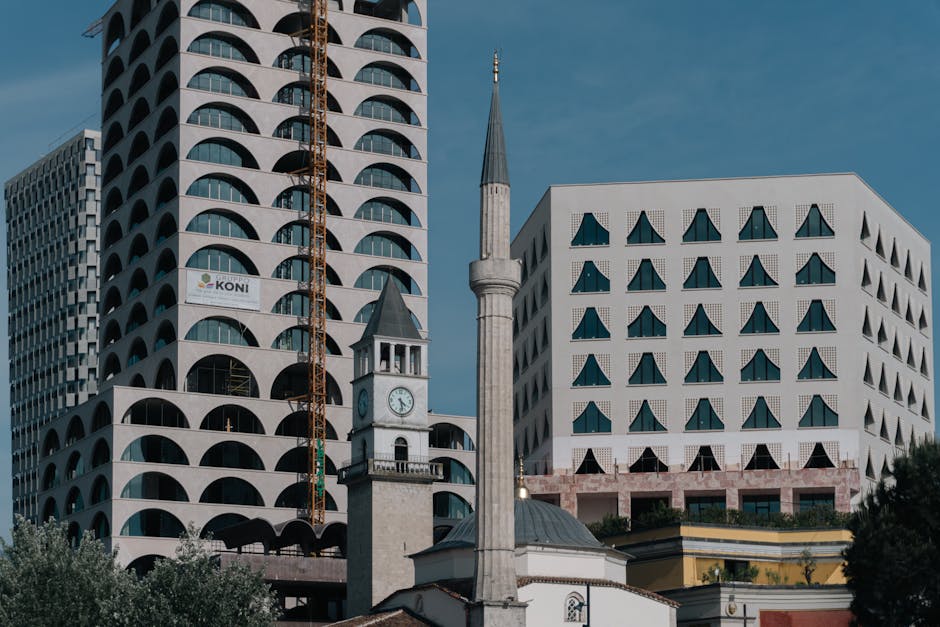
2) The South (Gjirokastër, Saranda, Ksamil): Villages, Families and Shared Food
Southern Albania is known for its coastal landscapes and historic towns, and for a pronounced family-oriented hospitality. In Gjirokastër, a UNESCO World Heritage town, Skenduli Square and the old town offer scenes where large families gather. Gjirokastër Castle (Rruga Ismail Qemali, Gjirokastër 6001) is usually open from 08:00 to 19:00 in summer, entrance around €3–€5. In the alleyways, small family guesthouses offer rooms for €20–€35 per night with the option of a family dinner on request (often €8–€12 per person for a full meal).
Further south, Saranda and the Ksamil peninsula are places where families often host travelers in « vila » and guesthouses. In Ksamil, beaches and nearby islets draw visitors, but hospitality is really felt in family-run taverns: dishes like « tavë kosi » (lamb baked in yogurt) or « byrek » (savory pastry) are often made following grandmother’s recipes. For example: a family taverna on Rruga Butrint, Ksamil — full meal €7–€15, open 09:00–23:00 depending on the season.
Practical tips for the south: accepting an invitation to share a meal can lead to long conversations and offers of accommodation. If invited to someone’s home, say you can stay for an hour or two; hosts will likely insist on extending the visit. When booking local experiences, look for guesthouses with reviews that explicitly mention « family dinners. » Also favor local markets to buy regional products (cheeses, olives, honey) — negotiate gently and smile: that’s often how the best conversations begin.
3) The North and the Mountains: Clans, Traditions and Kanun Hospitality
Northern Albania, especially the Shkodër region and the Albanian Alps (Bjeshkët e Nemuna), has preserved social practices strongly influenced by the Kanun, a customary code that governs honor, property and hospitality. In villages like Theth or Valbona, visitors encounter a rustic, deep-rooted hospitality: hosts will offer a hot meal, shelter and advice for the trails. In Shkodër, the Rozafa Castle (Rruga Kalaja, Shkodër 4001) is a historic emblem; opening hours 08:00–19:00, ticket around €2–€4.
In northern families, the welcome is often ceremonial. Guests are treated like honored members: the best bread, cheeses, local cold cuts and raki (a spirit) are served for toasts. Festive meals — weddings, baptisms, village celebrations — can last for hours, with folk music and dancing. Accommodations are frequently family homes turned into guest rooms; typical prices for a night: €15–€30, with dinner included for €6–€10.
Practical tips for the north: respect family hierarchy and greet elders first. If offered raki, make a toast by slightly raising your glass and saying a word of thanks in Albanian (« Faleminderit »). Hikers should book lodgings in advance during high season (June–September); phone coverage can be limited in the mountains. Finally, be mindful of local codes: an invitation into a home often implies engaging in conversation and participating in offerings.
4) Concrete Places to Experience Hospitality: Guesthouses, Taverns and Must-Visit Markets
To turn theory into practice, here’s a selection of concrete places where family and hospitality are clearly on display, with addresses, opening hours and indicative prices to help you plan your stay.
- Guesthouse Vila Tedi (typical example), Rruga Haxhi Fejzullahu, Berat 5001 — double rooms €25–€40/night, breakfast included, check-in from 14:00, family dinner by reservation €8–€12. Description: restored stone house, dinner prepared by the hosting family with produce from their garden.
- Taverna Pipi, Rruga Butrint, Ksamil 9704 — open 09:00–23:00, grilled fish dish €10–€18, mezzes to share €5–€8. Description: family-run seaside restaurant, friendly service, sometimes offers an extra local salad on the house.
- Bukashe Market (local market), Rruga e Pazarit, Gjirokastër 6001 — open 06:00–14:00, products: artisan cheeses €3–€6/kg, local honey €6–€12/jar. Description: a place of exchange where producers are happy to talk about their methods and sometimes offer tastings.
- Hotel Tradita (family guesthouse in Tirana), Rruga Murat Toptani, Tirana 1001 — rooms €30–€50/night, breakfast €3–€5, family dinner on request. Description: traditional house converted into lodging, hosts happy to share local history.
Booking tips: favor places that explicitly mention « family-run » or « host family » in listings. When a family offers a dinner, ask in advance about the timing (usually 19:00–21:00) and disclose any food allergies. Cash payment is still common; always carry a few euros in bills. If you want to extend an exchange, offer a small gift (pastry, specialty coffee or a postcard from your country) — that gesture is often more noticed than an expensive item.
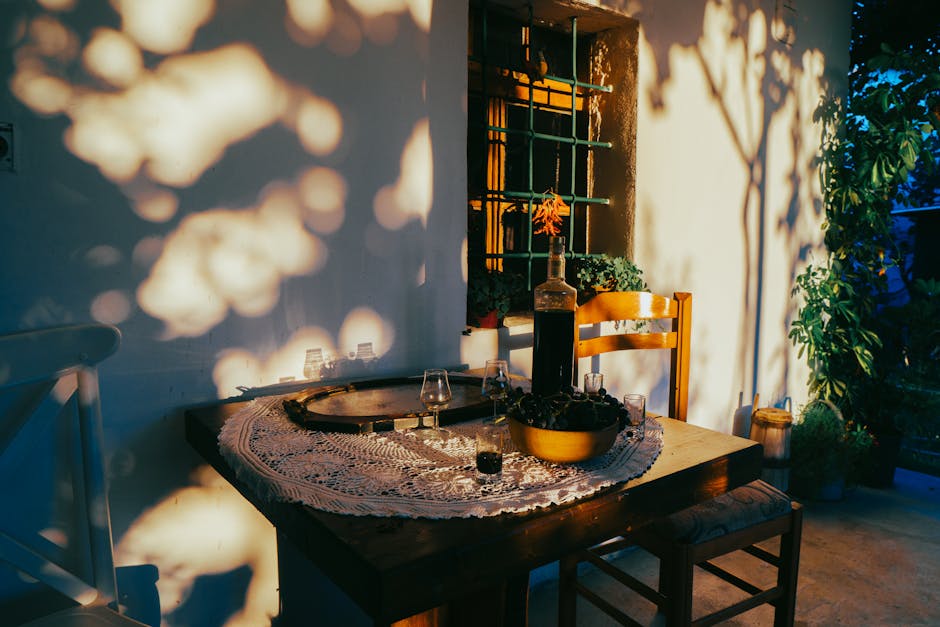
Conclusion: Travel in Albania by Respecting and Celebrating Family Hospitality
Traveling in Albania means stepping into a social space where family and hospitality are not mere tourist concepts but ways of life. By understanding the role of family — as a space for decision-making, protection and transmission — and by respecting hospitality codes (besa, deference to elders, sharing meals), visitors can turn surface encounters into memorable experiences. Simple gestures — accepting a coffee, offering thanks, asking permission before taking a photo — show respect and open the door to great conversations.
Practically speaking, include homestay-style stops in your itinerary: family guesthouses in Berat, family taverns in Ksamil, guest rooms in the northern mountains. Check opening hours for cultural sites and museums (for example, Et’hem Bey Mosque and the National History Museum in Tirana, Gjirokastër Castle, Rozafa Castle in Shkodër) and bring cash euros for small purchases. Above all, give yourself time: Albanian hospitality is best experienced without rushing. If a family invites you to share a meal or a celebration, treat it as a rare and valuable cultural immersion.
Armed with these details (addresses, indicative prices, opening hours and practical tips), you’ll not only enjoy Albania’s landscapes and history, but also leave with lasting human connections. Albanian hospitality, rooted in family, is a living treasure — respect it, celebrate it and, if you can, tell its story when you return.