





Introduction — Forget mass tourism: discover Albania’s authentic local festivals
Albania may no longer be a secret, but if you really want to step away from the cookie‑cutter crowds of mass tourism, the best route is to join the country’s genuine local festivals. These events—sometimes religious, sometimes pagan, sometimes pure village life—are living heritage: folk music and dances, handwoven costumes, family dishes cooked on the spot, and a sense of community you won’t find on packaged tours. This practical guide asks you to skip the usual express loop (Tirana–Berat–Gjirokastër) and take your time to listen, taste, and dance with Albanians at their own celebrations.
We’re talking about gatherings where homemade rakì is shared, local musicians play the çifteli and the lahuta, kids learn traditional games in the village square, and access is often free or very cheap. The places described below span different regions (central, southern, mountain), giving you a range of experiences: Mediterranean warmth on the coast, the ruggedness of the interior mountains, and the mellow historic charm of Ottoman towns. Addresses, timetables, and approximate prices in euros are included so you can plan concretely: arrive, stay, join in, and leave a respectful footprint.
This guide isn’t an exhaustive calendar of every Albanian event, but a curated selection to help you experience authenticity: how to get to each festival, when to arrive so you don’t miss the best parts, entry fees (when applicable), and—crucially—how to behave and contribute positively to the local experience. Expect concrete tips—full addresses, common time windows, rough prices converted to euros—and practical advice (transport, homestays, useful vocabulary). Whether you’re already in the country or planning your trip, these pages are an invitation to receive Albania not as a spectator but as a welcomed guest.
Dita e Verës — Elbasan’s spring day: colors, wood‑fired bread and family gatherings
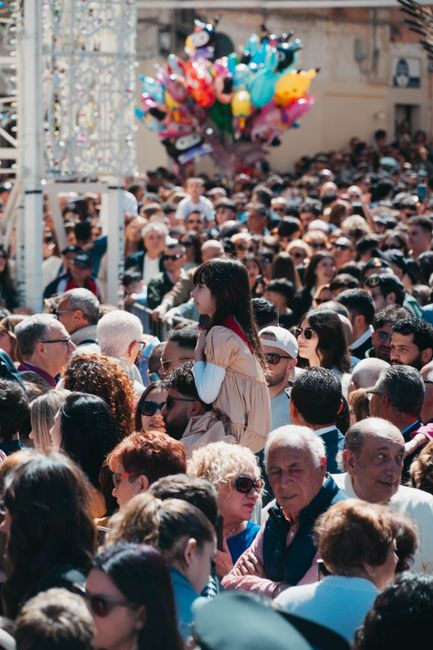
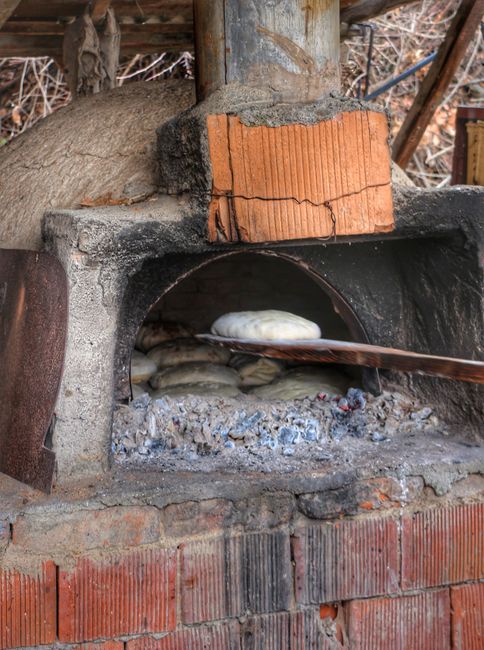
Dita e Verës (the Day of Summer/Sun) is celebrated every March 14 in Elbasan, in central Albania. Once a pagan rite, it’s become a citywide tradition centered on the main square and the narrow streets climbing up to Elbasan’s citadel. The meeting point is Sheshi Skënderbej / Rruga Luigj Gurakuqi, Elbasan 3001, Albania — the festivities usually run from 10:00 to 22:00 that day, with activities starting early in the morning: local produce markets and live demonstrations of traditional bread baking.
Entry to the festival areas is free in most sections; workshops and shows may ask for a small symbolic contribution of 1–5 EUR. Food stalls are very affordable: a plate of qofte (grilled meatballs) costs around 2–3 EUR, a large slice of homemade byrek is 0.80–1.50 EUR, and a glass of homemade rakì is often offered for free as a friendly gesture—or sold for 1–2 EUR. Tradition has it that people give a small bread called « kukull » or « pogaçe » to neighbours—if you’re invited to help make them, accept: it’s an honor.
Suggested timing: arrive around 10:30–11:00 to catch the wood ovens being prepared and the children’s games. Between 12:30 and 14:00 the square turns into a big family feast; later in the afternoon local folk dance groups and musicians (çifteli, fyell) take the central stage. Local tip: bring a scarf or shawl for cool March evenings and a little cash to tip musicians or buy handmade crafts—small gestures go a long way and strengthen the connection.
The National Folklore Festival in Gjirokastër — Dive into mountain songs and costumes
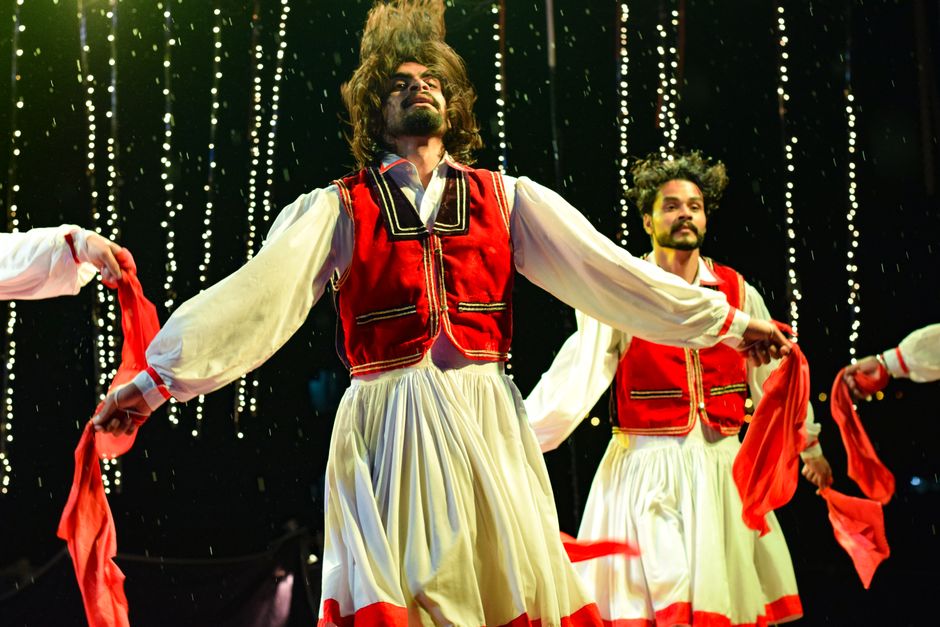
The National Folklore Festival takes place in Gjirokastër roughly every four years (dates vary) and brings together professional and village troupes on the square in front of Gjirokastër Castle — Kalaja e Gjirokastrës, Rruga e Kalasë, Gjirokastër 6001, Albania. If you time your trip for an edition, you’ll see hundreds of performers in traditional dress, iso‑polyphonic singing competitions, and artisan exhibitions. The festival usually lasts 2–3 days, with stages throughout the old town and a grand opening ceremony at the castle.
Tickets and prices: outdoor shows on the main square are often free, but visiting the castle and indoor sections (museums, reserved seated areas) may require a combined castle+festival ticket costing around 3–8 EUR depending on the zone. A standard visit to Gjirokastër Castle costs about 3–4 EUR (approximate); for gala evenings expect to pay 5–8 EUR for a covered seat. Festival hours typically run from 10:00 to 23:00, with performances morning, afternoon, and night for the larger acts.
What it feels like: picture the stone old town, cobbled alleys blended with the smell of grilled meat, honey and fresh bread, and families singing age‑old tunes in the main square. The costumes are striking: geometric embroidery, heavy belts, leather shoes. Local tip: arrive early to secure a good spot on the square, then wander the artisan stalls along Rruga Pavarësia and Rruga Çarshia. Accommodation: for the most authentic experience, book a guesthouse in the old town. Expect roughly 20–45 EUR a night for a double in a traditional house, depending on comfort level.
Korçë and the Beer Festival — Mountain traditions meet city conviviality
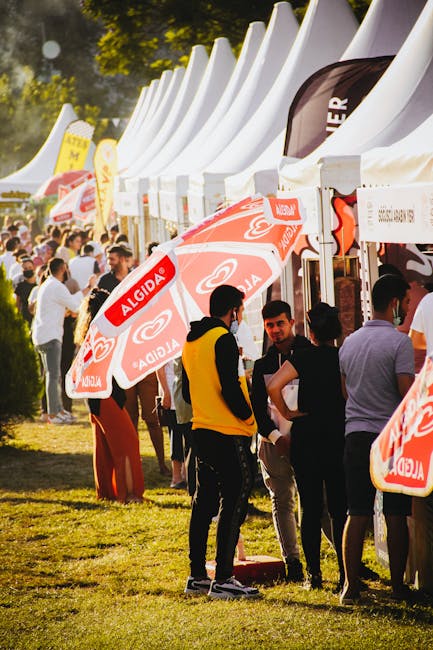
Korçë, in eastern Albania, is famous for its local beer and lively café culture. The Korçë Beer Festival usually takes place in summer on Sheshi Skënderbeu, Sheshi i Flamurit, Korçë 7001, Albania, bringing together local breweries, traditional food trucks, and bands. Typical hours are 12:00–02:00, over two consecutive days, often in July or August. Entry is generally free; drinks are paid per item: a local pint costs about 2.50–5 EUR depending on the brewery and size, while tasting flights may be offered for 5–10 EUR.
This festival is less folkloric and more urban and friendly, but it still gives access to strong local culinary traditions: qebapa (kebabs), speca me gjize (peppers with cheese), and the first tastes of traditional coffee. For immersion, spend an afternoon at the Korçë Martyrs Museum (Rruga Fan Noli, Korçë 7001) and return in the evening for Dalmatian‑style music or local rock. Practical tip: buy tokens if the festival uses them, and look for stalls that support women’s cooperatives (good for the local economy).
Transport and budget: Korçë is reachable by overnight bus from Tirana (about 3–4 hours). Expect to pay 10–20 EUR for a bus ticket from Tirana depending on the company. Accommodation during the festival: hostels and 2–3 star hotels range between 25 and 50 EUR per night. For authenticity, search for a small family hotel near Sheshi Skënderbeu—you’ll be in the heart of the action and might be woken by morning concerts.
The ascent of Mount Tomorr — pilgrimage, mysticism and traditional rites
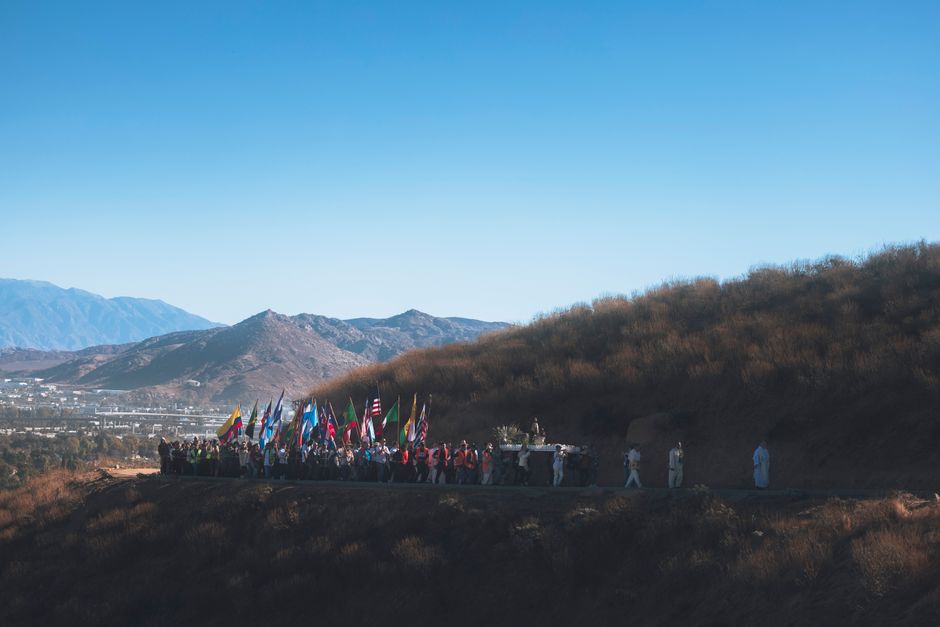
Mount Tomorr (Mali i Tomorrit) towers over the Berat and Kuçova region and draws pilgrims and visitors each year for ancient rites blending Bektashi beliefs and local customs. The main gathering spot is near the Abbas Ali sanctuary on the road toward Çorovodë / Përmet, accessible from Berat: Tomorr Mountain Road, Berat region, Albania. The most significant period is around August 20–25, when many ritual practices take place, though groups climb throughout the summer season.
Participation and costs: access to the site is free; if you want to hire a local guide for the ascent (highly recommended for safety), expect to pay 15–40 EUR for the day depending on route and level of accompaniment. Important tip: bring water, sturdy hiking boots, and warm clothes for the summit—the temperature can drop several degrees. Pilgrims often prepare bread and communal dishes; it’s customary to offer a small contribution for site upkeep (1–5 EUR).
The experience: climbing Tomorr is a blend of physical effort and meditative silence, occasionally broken by ritual songs. You’ll see groups of worshippers carrying flags, offerings placed around marked stones, and elders recounting mountain legends. If you plan to photograph people in prayer, always ask permission first. The viewpoint from the top looks over the valley, the Osum river, and the roofs of Ersekë—perfect for a reflective moment.
Practical tips for enjoying local festivals in Albania
1) Respect local codes: greet people in Albanian (« Miremëngjes » = good morning), dress modestly for religious ceremonies, and ask before filming or photographing anyone. 2) Payment: carry some cash (lek) but think in euros for budgeting—many small festivals accept euros, though change is often given in lek. 3) Transport: rent a car, use regional buses or shared taxis (furgon)—check the day before the festivities, as roads can get busy. 4) Accommodation: look for guesthouses in villages to fully live the experience; rates usually range between 20 and 50 EUR per night depending on season. 5) Safety and health: bring sunscreen, a basic first‑aid kit, and closed shoes for rural events.
Communication: even if English is increasingly spoken, learning a few Albanian words (faleminderit = thank you, ju lutem = please) opens doors. When you’re invited into a home, accept at least a drink or a small bite—this shows respect and deepens the exchange. Finally, adapt your attitude: these festivals are living rituals, not performances—join in, but don’t dominate the space.
Conclusion — Choose human connection for a trip that lasts
Putting local festivals at the heart of your trip in Albania means choosing depth over postcards. The events highlighted here—Dita e Verës in Elbasan, the National Folklore Festival in Gjirokastër, the Korçë Beer Festival and the Mount Tomorr pilgrimage—offer contrasting glimpses across urban squares, mountain villages and large town plazas. They show that authenticity isn’t measured by the number of tourists but by the quality of exchanges: a shared dance, a recipe passed on, a smile for a curious and respectful visitor.
Check local calendars when planning (dates can vary) and stay flexible; arrive early, prefer family‑run accommodation, and take time to listen. The material cost to participate is modest (often free entry, a few euros for food or to support artists), but the payoff in human experience is huge. These festivals reveal the regions’ living realities: their challenges, strengths and joy in celebrating together.
By stepping off the beaten track you also help local economies benefit from visitors rather than merely endure them: eat locally, stay in family homes, buy crafts directly from makers. Albania—with its mountains, Ottoman towns and Adriatic shores—has a rich social fabric waiting to be met. So put your standard guidebook away, buy a bus ticket, pack good shoes and an open mind—and let the festivities carry you.