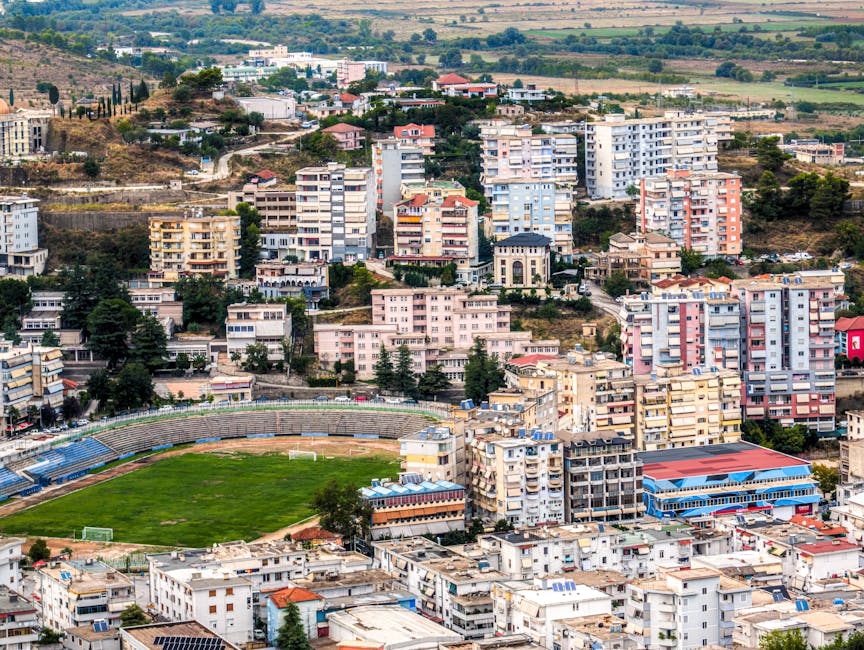






Introduction — Understanding Urban Safety in Albania: Context, Realities and Practical Tips
Albania is a fast-growing destination for European and international travelers: varied landscapes, the Ionian and Adriatic coasts, historic towns, Mediterranean cuisine and generally lower costs than many European capitals. But like any rapidly changing place, it’s important to tell safe neighborhoods apart from higher-risk areas. This general guide focuses on Albania’s major cities — Tirana, Durrës, Vlorë, Shkodër and Gjirokastër — to give visitors practical information, exact addresses, prices in euros, typical opening hours and concrete local tips to help you get around and decide where to stay, dine or go out safely.
The idea of “safety” covers several layers: personal safety (risk of theft, assaults), road safety (condition of roads, local driving habits), health safety (access to pharmacies, hospitals), and accommodation-related safety (rental scams, quiet neighborhoods at night). This guide tackles these aspects with concrete reference points — place names, exact addresses and opening windows — so you can plan pragmatically. It mixes preventative advice (e.g., avoid showing valuables, prefer official taxis), recommendations for areas with a visible police presence, and notes on neighborhoods where extra caution is advised, especially late at night.
Each section offers an implicit day/night split: where it’s great to wander in daylight and where you should be more careful after dark. The prices shown (in euros) reflect average fares for tickets, transport and services at the time of writing; use them as budgeting guides. Opening hours reflect common local practice (morning/evening) and can change with the season — always check locally before you head out. Practical local tips and immersive descriptions help you anticipate the vibe of a neighborhood: architecture, noise levels, population density, types of shops and tourist flows.
This guide isn’t meant to alarm but to inform. The goal is to help thoughtful travelers maximize comfort and safety, quickly find good spots (cafés, squares, museums), and avoid common mistakes (beware of unofficial taxis, or poorly lit peripheral areas). You’ll also find visual cues
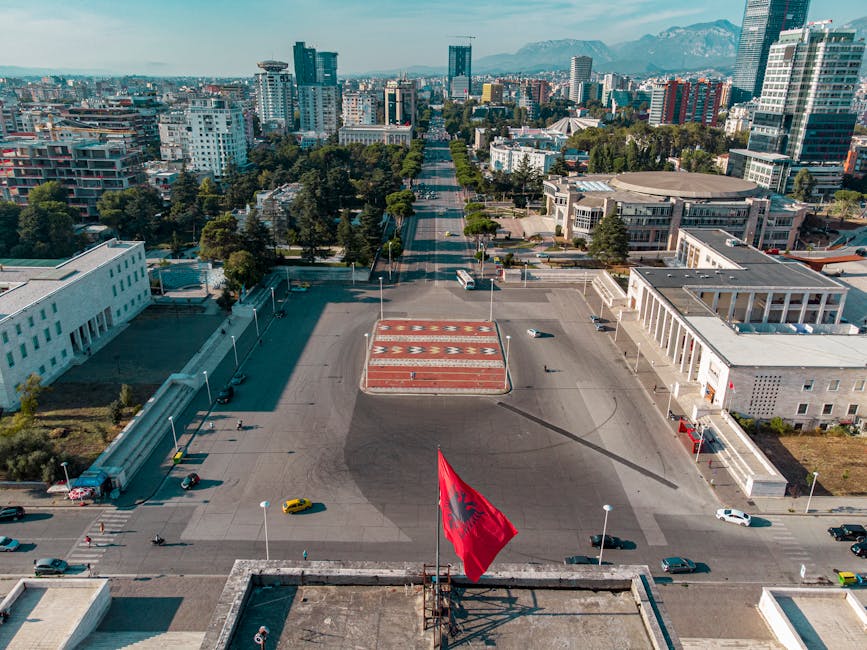
to mentally locate places and plan photo routes. Take your time through these sections, note addresses that interest you and adapt recommendations to your travel style (solo, family, short stay or long-term).
Before diving into the city-by-city sections, keep three simple rules in mind that apply across Albania: 1) prefer official maps and taxis labeled “taksi” with a meter (or reliable apps), 2) store documents and cash in inner pockets and don’t display valuables in public, 3) ask your hotel or local hosts the evening before about the condition of neighborhoods you plan to visit at night. With a bit of attention, most stays in Albania are incident-free and full of memorable cultural and culinary experiences.
Tirana — Safe Neighborhoods, Areas to Watch and Recommended Routes
Tirana is the lively capital and entry point for most travelers. Its center (Sheshi Skënderbej / Skanderbeg Square) is generally safe, especially by day and early evening. Central address: Sheshi Skënderbej, Tirana 1001, Albania. The historic and commercial core hosts institutions, museums and cafés, and there’s a visible police presence. For a cultural visit, the Muzeu Historik Kombëtar (National Historical Museum) is on Bulevardi Dëshmorët e Kombit, Tirana (typical hours: 09:00–17:00, closed Monday; price around €2.00). Nearby, the pedestrian walk toward Tirana Castle (Kalaja e Tiranës) — Rruga Pjetër Bogdani, Tirana — offers narrow streets lined with cozy cafés and restaurants.
Recommended neighborhoods: Blloku (around Rruga Ismail Qemali) is one of the safest and trendiest areas, perfect for nightlife until midnight or 01:00. Typical reference address: Rruga Ismail Qemali, Blloku, Tirana 1001. Pazari i Ri (New Bazaar) — Rruga Kristaq Çaja, Tirana — is ideal for buying local produce and having an affordable lunch (main dish ~€3–6). Walks along the Lana river and Rinia Park are pleasant; just keep personal belongings close, especially on match days or during events.
Areas to watch: some peripheral neighborhoods like Kombinat, Ali Demi and parts of Laprakë need more caution at night due to uneven street lighting and fewer late-night shops. Reference: Kombinat Factory Area, Rruga Kombëtare, Tirana. These areas are perfectly fine during the day (markets, workshops); the main caution is after 22:00. Avoid long walks through these neighborhoods at night — opt for an official taxi instead.
Transport and safety: official taxis have a license number and a meter (« taksi »). A typical inner-city ride costs about €2–4; expect €4–6 from the airport (Rinas / Tirana International Airport Nënë Tereza) to the center during daytime. Local apps (e.g., TaksiMe) can be handy; if the meter isn’t clear, ask the approximate fare before getting in. Public bus tickets are very cheap (≈€0.30–0.50) but buses can be less straightforward for visitors than taxis.
Local practical tips: 1) if possible, stay in Blloku or near Sheshi Skënderbej for easy access to museums, restaurants and transport; 2) for iconic cafés try the New Bazaar Food Street, Rruga Murat Toptani, coffee prices about €0.8–1.5; 3) at peak nightlife hours, allow an extra 10–15 minutes to find a taxi. Finally, for medical consultations or an on-call pharmacy, note Galéria Pharmacia Central, Bulevardi Dëshmorët e Kombit 1, Tirana (opening varies, often 08:00–21:00 on weekdays).
Durrës — Port, Beach and Sensitive Spots after Dark
Durrës is Albania’s main seaport and a very busy beach resort in summer. The tourist area around the beach, the seaside promenade and the Roman Amphitheatre is generally safe during daytime. Must-see address: Durrës Amphitheatre (Amfiteatri i Durrësit), Rruga Taulantia, Durrës 2001 (approx. hours: 08:00–19:00 in season; entrance ≈ €3.00–4.00). The waterfront Rruga Taulantia / Waterfront Boulevard is full of seafood restaurants, bars and hotels.
Recommended safe areas: the Promenade de Plazh (Beach Boulevard) and the historic center near the amphitheatre. Useful addresses: Shëtitorja e Plazhit, Durrës 2001 for strolls and daytime cafés; Porti i Durrësit is well monitored but avoid the industrial port areas at dusk. Public beaches and private beach clubs usually provide umbrellas and sunbeds (rental price umbrella/chair: €3–8 per day).
Risky zones to know: the immediate surroundings of the commercial port, Lagjia Nr. 5 and some peripheral thoroughfares may be less advisable at night, especially if you’re unfamiliar with the area. Port address to avoid walking at night: Porti i Durrësit, Terminali Industrial, Durrës. Pickpockets are more active on crowded beaches and on packed public transport — secure your wallet and phone. Night buses are rare; prefer an official taxi or private transfer for late trips (approx cost center-to-airport ≈ €20–30).
Infrastructure and hours: Durrës’ main bus station is on Rruga 1 Maji, Durrës (hours vary). Emergency medical services are available at the Regional Hospital of Durrës, Rruga 1 Maji, Durrës 2001 (open 24h). Seafood restaurants usually close between 22:00 and 01:00 depending on the season; nightlife peaks between June and September.
Local tips: 1) for a safe and tasty meal try Restorant Piazza (landmark: Rruga Taulantia 15, Durrës, main dishes €7–12) near the beach; 2) avoid unlit stretches of the coastline late at night outside the well-lit clubs and promenades; 3) keep small-denomination cash and use ATMs inside bank branches rather than isolated seaside machines.
Vlorë — Waterfront, Tourist Zones and Areas to Monitor
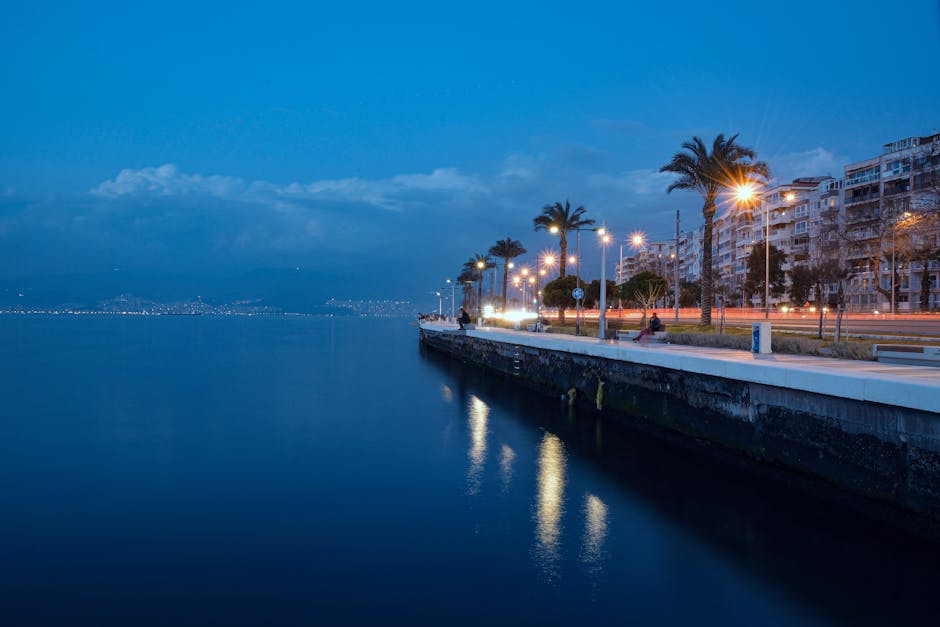
Vlorë (also spelled Vlora) is an important port town on the southwest coast and a common stop on the way to the Albanian Riviera. The waterfront (Lungomare) and the area around Ismail Qemali Square are generally safe, with steady summer activity. Central address: Sheshi Ismail Qemali, Vlorë 9401. Walking the promenade gives a Mediterranean vibe: seaside cafés, street vendors and restaurants.
Highlights and key addresses: Muzeu i Pavarësisë (Museum of Independence), Rruga Ismail Qemali, Vlorë (hours: 09:00–17:00; entrance ≈ €2.50). For views, head to Uji i Ftohte Beach or take a boat to the Sazan peninsula (departure point: Vlorë Marina, Rruga Togliatti, Vlorë). Lungomare restaurants list fish mains in the €6–15 range.
Areas to watch: some industrial sections near the port are less recommended at night — reference: Porti Industrial i Vlorës, Zona Portuale, Vlorë. Peripheral neighborhoods with poor lighting and little nighttime activity require caution when walking. As everywhere, watch out for pickpockets on crowded promenades. Opportunistic thefts (open bags, phones left unattended) mainly occur during peak beach hours.
Transport and services: the national road (SH8) to the south can get congested in high season; drive carefully and avoid night trips on unlit roads. For medical emergencies, the Regional Hospital of Vlorë, Rruga Ismail Qemali, Vlorë, is open 24h. Car rentals are common and convenient for exploring nearby areas (average small car rental ≈ €25–40/day depending on season).
Local tips: 1) choose well-lit, busy restaurants in the evening; 2) for safe ferry or boat trips use established operators at the Vlorë Marina (boat tickets to islands and coves €10–35 depending on destination); 3) if you rent a motorcycle or scooter, always wear a certified helmet and avoid secondary roads at night. Vlorë is generally welcoming and easy to access, especially for travelers planning their trips between the beach and the town center.
Shkodër — Heritage, Walks and Watchfulness on Certain Routes
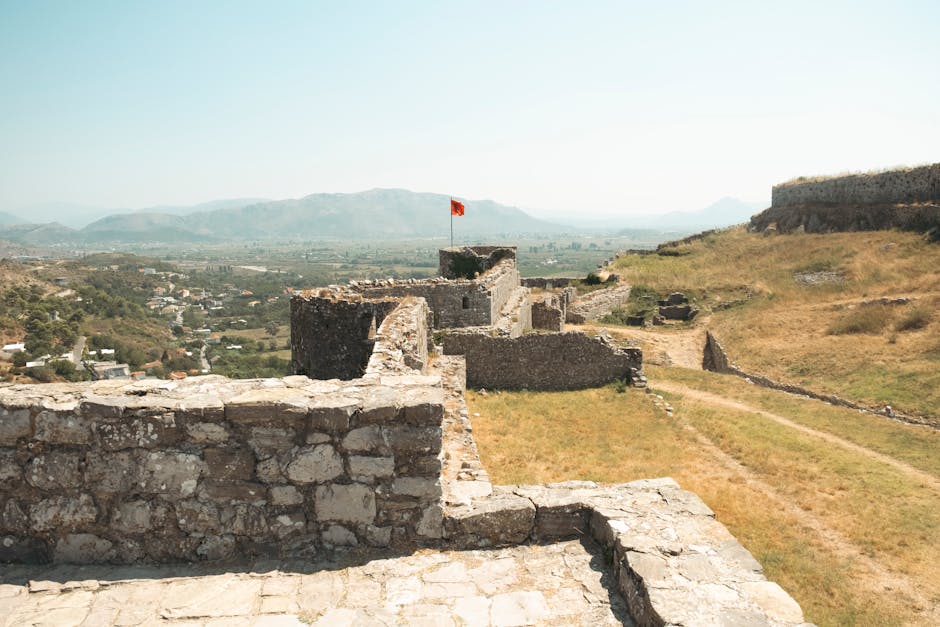
Shkodër (Shkodra) is a northern city known for its Ottoman heritage, the Rozafa fortress and the shores of Lake Shkodër. The fortress is a highlight: Rozafa Castle, Rruga e Kështjellës, Shkodër 4001 (approx. hours: 08:00–18:00; price ≈ €2.50–4.00). The historic center near Mikel Marubi Square is calm and good for daytime and early-evening strolls.
Safe neighborhoods: the pedestrian area around Rruga Kolë Idromeno and the lakeside promenades are popular and generally safe, even after dark if you stick to main streets. Cultural cafés and family-run restaurants are very welcoming; try regional specialties at places like Rozafa Restaurant, Rruga Kolë Idromeno, Shkodër (main dish €6–10).
Areas to watch: some industrial zones and the immediate surroundings of the bus station can be less inviting at night — reference: Terminali Autobusave, Rruga 31 Dhjetori, Shkodër. Visitors are advised not to walk alone late on poorly lit streets and to use official taxis (typical in-town fare €1–3). Extra vigilance is recommended when returning late from cultural events or bars.
Services and mobility: the bus terminal and bus services connect Shkodër with Tirana and Montenegro; book tickets in high season. The Regional Hospital of Shkodër, Rruga Eqerem Çabej, Shkodër 4001, handles emergencies 24h. Note that the local topography (narrow, cobbled lanes) can slow down walking — choose appropriate footwear and plan your routes.
Practical tips: 1) for a memorable view, plan to reach Rozafa Castle at sunset (easy walk from the center); 2) carry a flashlight or use your smartphone light if you plan to explore lesser-used paths; 3) the food scene focuses on local produce: lake fish, regional cheeses and artisanal breads — expect €5–12 per person for a good meal.
Gjirokastër — Museum-City, Night Safety and Visitor Tips
Gjirokastër, a UNESCO World Heritage site, is a museum-city famous for its stone houses and fortified citadel. The historic center is very safe and tourist-friendly; walking is the best way to explore. Main address: Gjirokastër Castle (Kalaja e Gjirokastrës), Rruga Papa Gjon Pali II, Gjirokastër 6001 (approx. hours: 09:00–18:00; entrance ≈ €3.00–5.00). The steep lanes call for sturdy shoes and some care, especially in wet weather.
Safe areas: the historic bazaar (Old Bazaar) and Çerçiz Topulli Street around the house of writer Ismail Kadare are busy and safe during the day. Useful addresses: Old Bazaar, Rruga Çerçiz Topulli, Gjirokastër, and the House of Skenduli (House-Museum), Rruga Skënderbej, Gjirokastër (entrance ~€2–4). Guesthouses and hotels in the historic core are welcoming and often provide personalized tips.
Areas to watch: the main concern here is topography — narrow streets and steep slopes make some routes tiring and sometimes slippery. Avoid walking alone late at night on poorly lit paths; head back down to the center if you’re on the outskirts after midnight. Night public transport is limited, so plan your return trips and book an official taxi if needed (typical local ride €2–5).
Accessibility and services: Gjirokastër’s bus station and connections to Saranda and Tepelenë are operational; reserve in high season. For emergencies, the Regional Hospital of Gjirokastër, Rruga Petë Harito, Gjirokastër 6001, is the local reference. Visitors enjoy the fortress and the military museum inside — combined tickets often cost €5–6.
Local tips: 1) stay in a traditional guesthouse for an authentic atmosphere and local advice; 2) bring a headlamp or good lighting for night walks in the village, as public lighting can be limited; 3) respect local rules around private properties — some house-museums request quiet and modest dress. Gjirokastër charms visitors with its heritage and is generally safe when you plan routes and respect the terrain.
Conclusion — Summary, Best Practices and Pre-Trip Checklist
Albania offers a rich and varied travel experience, with major urban centers that combine history, sea and culture. The cities covered — Tirana, Durrës, Vlorë, Shkodër and Gjirokastër — all have neighborhoods to favor and areas where caution is advised, especially at night. The key distinction to remember is simple: tourist districts, historic centers and well-trafficked seaside promenades are generally safe, while industrial zones, poorly lit peripheries and port surroundings require more vigilance after dark.
To finish, here’s a practical checklist before you leave and during your stay:
- Documents and copies: always carry a paper and digital copy of your passport, travel insurance card and reservations.
- Taxis: prefer official metered taxis or bookings via a reliable app; estimate the cost in advance (city center €2–6, airport transfers €10–30 depending on the city).
- Money: split your cash and cards; avoid flashing large bills in public; use ATMs inside banks when possible.
- Accommodation: book in recommended central neighborhoods (Blloku in Tirana, Beach Boulevard in Durrës, Lungomare in Vlorë, historic centers in Shkodër and Gjirokastër).
- Health: note the location of local emergency services (regional hospitals listed in each section) and bring a small first-aid kit.
- Luggage: use locks and lockable covers for bags; on buses, keep valuables with you.
- Lighting: for hilly historic towns (Gjirokastër, Shkodër), carry a torch or keep your smartphone charged for dark alleys.
- Cultural respect: dress modestly in traditional neighborhoods and avoid loud behavior at night in residential areas.
By following these simple practices and choosing neighborhoods thoughtfully based on the time of day and activity, you’ll maximize comfort and safety. Albania remains a welcoming and often underrated destination for curious travelers — a tempting mix of beaches, mountains and heritage. And don’t hesitate to talk to locals: most Albanians are warm and willing to help — often the most reliable source of information beyond any map. Safe travels and enjoy Albania’s urban treasures with these practical tips at hand.