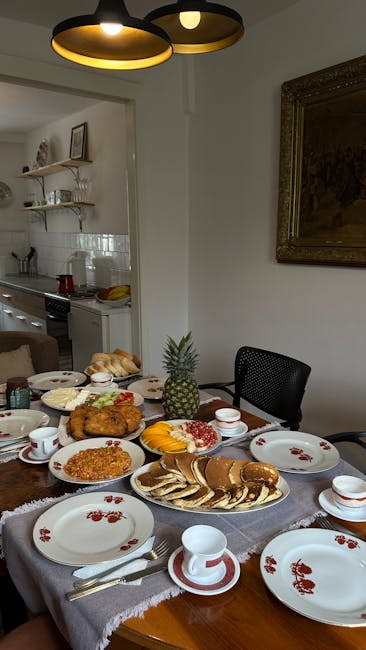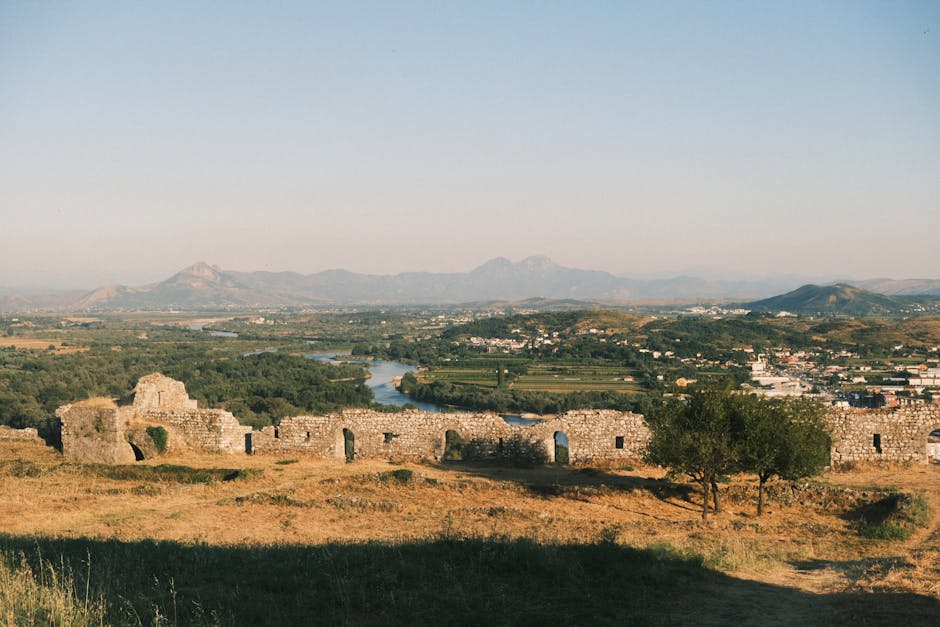






Introduction — Why choose the Albanian Riviera away from crowded beaches
The Albanian Riviera, stretching along the Ionian Sea from the Karaburun linguistic cape to the southern tip near Sarandë, is often associated with busy beaches and lively resorts. Yet alongside the noisy tourist hotspots there’s a wealth of quieter routes: mountain hamlets, secret coves, isolated castles and scenic roads that deliver a calm, authentic and deeply immersive experience. This 7-day itinerary focuses on those lesser-known treasures: cobbled lanes, watermills, breathtaking sea views, traditional farming, local crafts and regional cuisine.
This guide is made for the thoughtful traveler who wants to explore the Riviera at a relaxed pace, prioritizing local encounters, moderate hikes and historic sites away from the main tourist flows. You’ll find practical, detailed info here: exact addresses, opening hours, prices in euros (EUR) for tickets and activities, recommended restaurants and small accommodations, plus on-the-ground tips for driving mountain roads and using local taxis and minibuses (furgonë). The route is optimized for a rental car — the most flexible and efficient way to reach hidden corners — but I also include public transport options where feasible.
Distances between stops are deliberately reasonable so you can enjoy each place without rushing. Each day suggests cultural visits, a walk or short hike (easy to moderate level), a lunch at a recommended local spot with approximate prices, and an idea for a sunset spot or evening activity. Prices listed are averages and can vary with the season (high season: July–August). Finally, the guide includes practical advice on safety, health, tipping and respecting the local environment. Get ready to discover an authentic Albania where the sea meets olive groves and hospitality is a living tradition.
1) Day 1 — Old Sarandë and the Lungomare district (slow discovery)
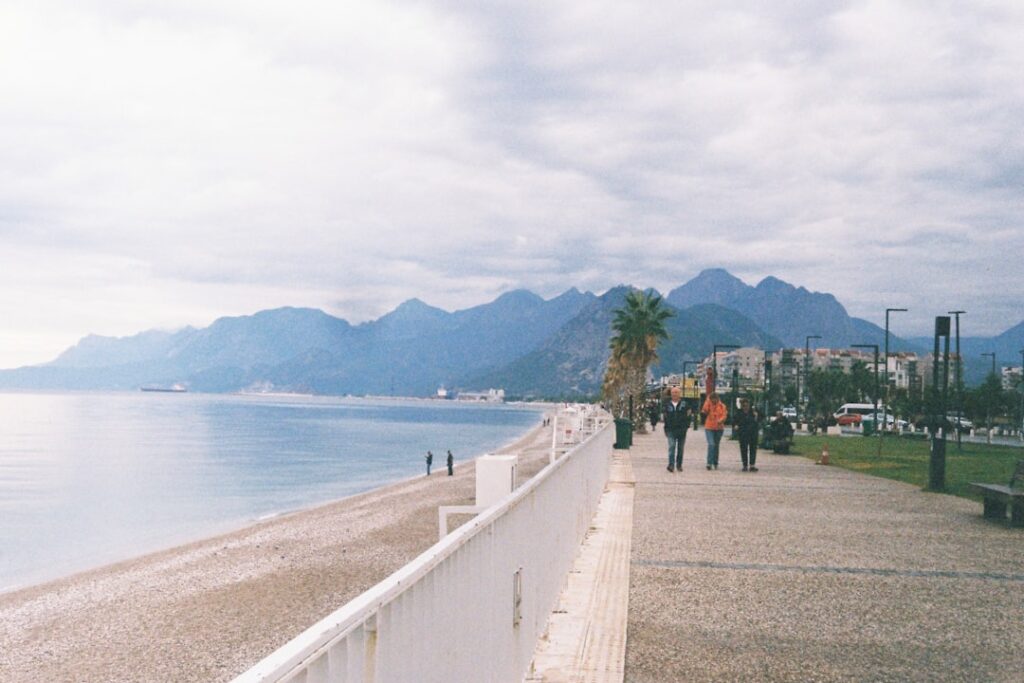
Start your route in Sarandë, the southeastern gateway of the Riviera. Skip the main crowded beach and explore the historic seafront and the narrow inner streets. Recommended starting point: Lungomare Rruga Jonianet, Sarandë 9701, Albania — a quieter coastal promenade early in the morning. Wander up the lanes behind the promenade to find local cafés, murals and panoramic views across to Corfu.
Highlight activity: visit the small but worthwhile local museum — Muzeu Historik i Sarandës, Rruga Fishta, Sarandë 9701, Albania. Opening hours: Tuesday–Sunday 09:00–17:00 (closed Monday). Entrance fee: around 2–3 EUR. The museum gives a good overview of the region’s modern and archaeological history without the crowds of larger attractions.
For lunch head to Taverna Peshkatari, Rruga e Maleve, Sarandë 9701. Specialties: grilled fish and traditional mezzes. Prices: mains 8–15 EUR. Opening hours: 11:00–23:00. In the late afternoon, walk to Rinia Park (Rruga Mitat Haxhiu) for an unobstructed sunset view over Sarandë bay — especially pleasant out of season.
Local tips: park in private lots along Rruga Jonianet (indicative rate 2–4 EUR/day) since the central area can be pedestrianized depending on the season. If you arrive by ferry from Corfu, the main pier is on Rruga Gjergj Kastrioti Skënderbeu, Sarandë 9701. Buy a local SIM (Vodafone Albania or Eagle Mobile) for navigation.
2) Day 2 — Rural Ksamil and hidden coves around Qeparo
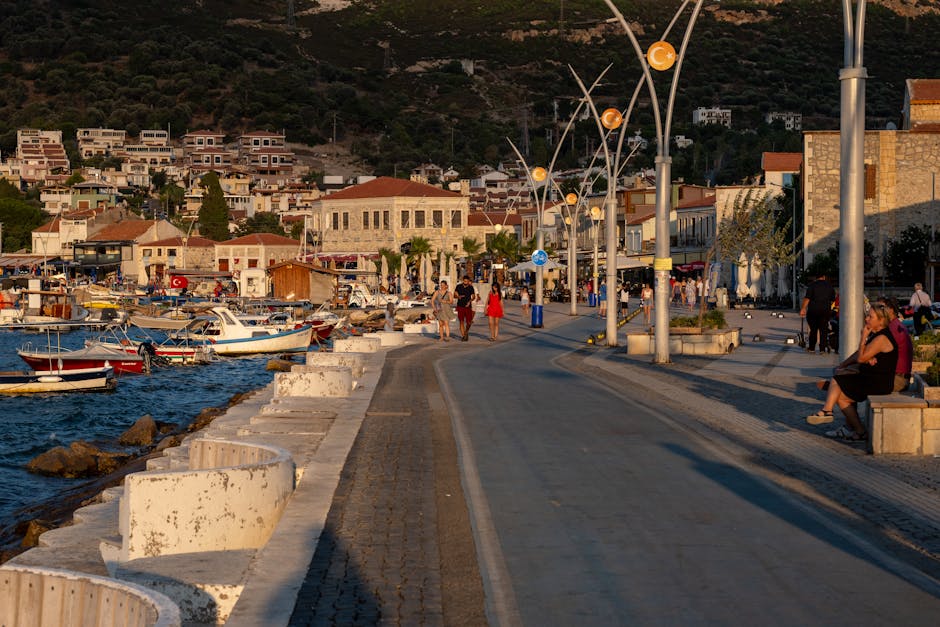
On day two, leave Sarandë early to beat tourist traffic and head for Ksamil via the SH99 and the coastal road. Recommended base address: Rruga Ksamil Beach, Ksamil 9703, Albania. Ksamil is famous, but there are quieter coves to the west and south of the village, reachable on foot or by short boat trips. Rent a kayak or a small boat at the Ksamil port, address: Porto Ksamil, Rruga E Vlore-Sarande, Ksamil 9703. Kayak rates: about 10–15 EUR/hour. Hiring a local rowboat for 2–3 hours typically costs 20–40 EUR depending on negotiation.
Midday, head to Qeparo — a lesser-known hilltop village — via the scenic Rruga Dhërmi-Qeparo, Qeparo 9702. Stroll through Qeparo e Vjetër (old village), Rruga Qeparo e Vjetër, Qeparo 9702, to admire stone houses and olive terraces. No entrance fee. The road is narrow but offers spectacular Ionian Sea views and citrus groves.
For an authentic lunch try the family-run trattoria Chez Nasi, Rruga Qeparo, Qeparo 9702 — local dishes 6–12 EUR. Indicative hours: 09:00–21:00. At the end of the day climb to Qeparo viewpoint (approx coordinates: 40.1030 N, 19.7770 E) for a peaceful sunset away from crowded beaches.
Tips: wear sturdy walking shoes for the cove trails. Tap water in mountain villages is generally safe, but opt for bottled water if you have a sensitive stomach (0.40–0.80 EUR for 1.5 L). If you use local boat services, negotiate politely — most fishermen are friendly and offer custom trips.
3) Day 3 — Dhërmi: trails, Byzantine churches and olive valleys
Dhërmi (Dhërmiu) is a classic spot, but today you’ll skip the main beach and explore the inland areas. Useful address: Rruga Dhërmi, Dhërmi 9702. Start with a morning walk on the coastal path toward Saint Theodhor (Shën Dhori), then take the inland road to the Byzantine church of Shën Koll — Eglise e Shën Kollit, Dhërmi, approx coordinates 40.1385 N, 19.7155 E. This church, hidden in the scrub, has a contemplative atmosphere and old frescoes (check local access).
Recommended hike: the Dhërmi–Vuno trail passing through olive terraces (moderate level, 2–3 hours depending on breaks). Follow Rruga e Vuno-Dhërmi from Dhërmi to Vuno and discover traditional agricultural countryside: figs, almonds and terraced plots. Bring water and a picnic — local cheeses and artisanal bread are available at Katundari shop, Rruga Kryesore, Dhërmi (prices: 2–6 EUR for items).
For lunch, tavernë « Kënga e Tjetër », Rruga Kryesore, Dhërmi 9702, serves traditional Albanian dishes: tave kosi (lamb and yogurt gratin) 8–12 EUR, pjatë me peshk (fish plate) 10–18 EUR. Hours: 12:00–22:00. If you prefer a panoramic café try Bar Kafeneja Panorama, Dhërmi 9702, for a Turkish coffee or tea with a view (2–4 EUR).
Driving tips: the road to Dhërmi includes gravel sections if you take secondary tracks to reach viewpoints — a car with decent ground clearance is recommended. Respect local limits and keep trails clean; locals appreciate visitors who don’t leave trash. In the evening the small Dhërmi church sometimes hosts local music concerts — check with the local tourist office for seasonal schedules.
4) Day 4 — Vuno and the mountain villages: craftwork and quiet strolls
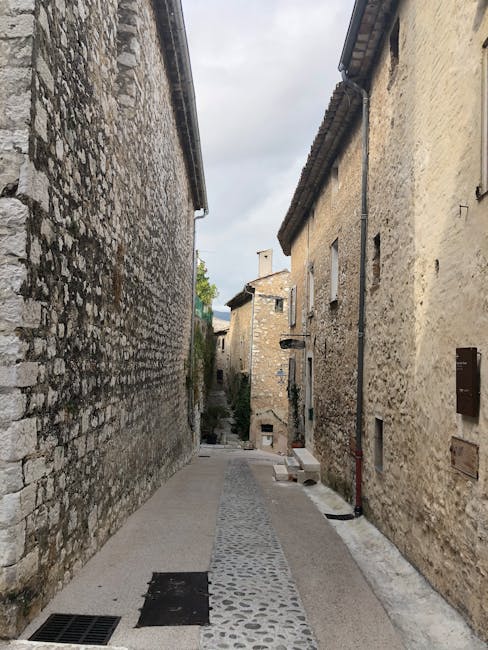
Vuno is one of the coast’s most authentic villages, perched above the sea. Central address: Rruga Vuno, Vuno 9702. The village keeps a rural feel: paved paths, stone houses and artisan workshops. Start with a visit to the small family weaving workshop « Vuno Looms », Rruga Kryesore, Vuno 9702 — buy a local textile (scarves, doilies): prices 8–30 EUR depending on size. Hours: usually 09:00–18:00 but variable — call the same day to confirm.
Recommended walk: the Vuno–Lëkurësi loop (viewpoint) — a half-day easy walk with coastal views. Take Rruga e Vuno-Lekurisi, approx coords 40.1320 N, 19.7165 E. The route crosses olive terraces and orchards. Bring a hat and enough water; there aren’t many drinking water points in summer.
For lunch try « Restorant Pave », Rruga Vuno 12, Vuno 9702 — home-cooked dishes around 7–14 EUR. Hours: 11:00–20:00. In the afternoon you can visit a restored traditional mill — Mulli i Vuno (local coordinates) — where you can observe artisanal olive oil production. Tasting: 5–10 EUR for a small tasting and explanation.
Local tips: Vuno is ideal for documentary-style photography — village portraits, wooden doors, stone steps. Respect residents’ privacy and ask before photographing interiors. In the evening enjoy a simple dinner on a terrace with a view — the sunset light highlights the warm ochre tones of the houses.
5) Day 5 — Borsh and Porto Palermo Castle: history and wild beaches
Leaving Vuno heading south, make for Borsh — a long beach with large deserted stretches out of season. Main address: Rruga e Plazhit, Borsh 9733. Borsh is surrounded by olive-covered hills and hosts the largest continuous olive grove on the coast. Walk the beach in the morning and explore paths that climb up into the hills.
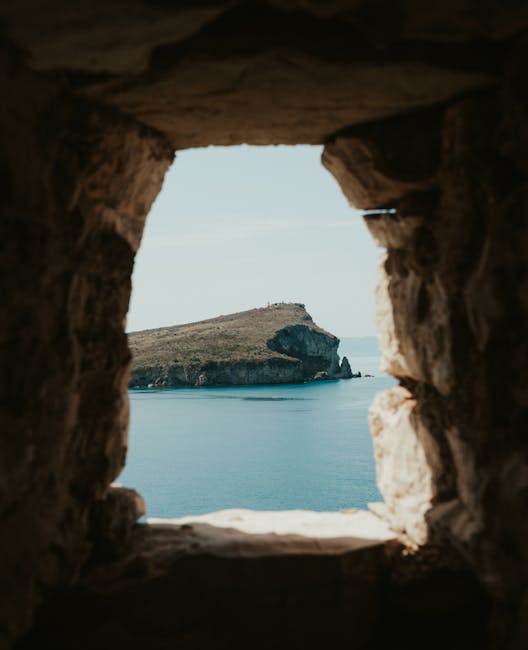
Key destination: Porto Palermo and the Ali Pasha fortress (Kalaja e Porto Palermos). Address: Porto Palermo Castle, Porto Palermo, Himarë 9734, Albania. Opening hours: usually 09:00–18:00 in high season, more limited off-season — check locally. Entrance fee: approx 2–4 EUR. The tiny port and fortress sit on an almost enclosed bay and offer swimming in clear, calm waters that are often lightly visited.
For lunch, « Bar Restorant Borshi », Rruga Borsh, Borsh 9733 serves mezzes and fresh fish, prices 6–15 EUR. Hours: 10:00–22:00. Afternoon: explore coastal paths to isolated coves (recommended hiking coords: 40.0785 N, 19.7425 E); these beaches are not accessible to big tour buses, which keeps visitor numbers low.
Practical tips: Porto Palermo is reached via a winding mountain road from Borsh — SH8 then a secondary road to Porto Palermo. Drive carefully and park in marked spaces. If you plan to visit the fortress, bring 3–4 EUR in cash. Local boat operators also run half-day trips around the bay — prices 25–40 EUR depending on passenger count.
6) Day 6 — Alternative Përmet-Byllis route via Gjirokastër (long but rewarding option)
Dedicate this day to a cultural, scenic inland transition — a great option for travelers who enjoy history and mountain gastronomy. Depart early from Borsh/Porto Palermo towards Gjirokastër (Rruga Gjirokastra, Gjirokastër 6001). If you want to stay strictly coastal you can shorten the day; otherwise the route to Gjirokastër is worth the detour for its citadel and Ottoman bazaar.
Recommended visit: Gjirokastër Castle, Bulevardi Gjin Bue Shpata, Gjirokastër 6001. Opening hours: 09:00–18:00. Fee: about 3–5 EUR. The citadel offers panoramic views and an interesting military museum. For a mountain-style lunch try « Taverna Tradita », Rruga e Plakës, Gjirokastër 6001 — home-cooked dishes 6–12 EUR. Return to the coast via the Lunxhëri valley if time allows, stopping in mountain villages to taste local cheeses and jams.
Tips: this is the longest driving day in terms of time (2–3 hours on winding roads depending on your starting point). Pack water, snacks and a GPS. Interior roads can be in poor condition; a reliable car is essential. If you don’t want to do the round trip in one day, consider spending a night in Gjirokastër (basic accommodation 20–40 EUR/night).
7) Day 7 — Return to Sarandë via Butrint: ancient ruins and peaceful lagoons
For your final day, head back to the coast and spend the morning at the exceptional archaeological site of Butrint (Butrint National Park), an essential stop often quieter in the morning before tour groups arrive. Address: Butrint National Park Visitor Center, Rruga Butrint, Sarandë 9701. Opening hours: 08:00–18:00. Fee: around 5–10 EUR (varies depending on national park inclusions). The site combines Greek, Roman, Byzantine and Venetian remains amid salt marshes and lagoons, creating a unique archaeological landscape.
Follow up with a walk in the Butrint lagoon nature reserve (approx coords: 39.7880 N, 20.0040 E) for birdwatching and tranquility — a perfect way to end a trip away from tourist beaches. For a final lunch, « Taverna Peshkatari Butrint », located near the park, serves fish dishes and local specialties: 8–18 EUR. Hours: 09:00–17:00.
In the late afternoon return to Sarandë (about 30–45 minutes’ drive) for one last sunset from a quieter viewpoint: Rruga e Kalasë, Sarandë 9701, near the small fortress overlooking the bay. Final tips: carry cash for park tickets and small purchases. If your flight or ferry is the next day, you’ll have time to buy handmade souvenirs or arrange a transfer to the nearest international airport (Tirana Rinas or connections via Corfu).
Conclusion — final tips, sample budget and best practices
This 7-day route on the Albanian Riviera away from crowded beaches blends culture, nature, food and local immersion. Practical summary and planning pointers:
- Sample budget: compact rental car 25–50 EUR/day excluding insurance; fuel 1.60–1.90 EUR/L (variable); simple guesthouses 25–50 EUR/night; local meals 6–18 EUR per person; activities and entry fees 2–10 EUR per site. Expect roughly 600–900 EUR for a balanced week (excluding international flights).
- Accommodation: favor small guesthouses and B&Bs in villages (Vuno, Qeparo, Borsh), often located on Rruga Kryesore or in central lanes — book ahead in high season.
- Health & safety: pack a small first-aid kit, seasickness meds if renting boats and sunscreen. Medical facilities exist in towns (Sarandë Hospital, Rruga e Spitalit, Sarandë) but take care with minor mountain injuries.
- Transport: a car is the best option for this itinerary; if you don’t drive, check furgonë (local minibuses) at main stops and taxis for inter-village transfers. Furgonë fares vary: 1.5–4 EUR depending on distance.
- Respecting local culture: dress modestly when visiting churches and religious sites, ask before photographing people, and avoid disrupting agricultural activity. Keep places clean and reduce plastic bottle use where possible to protect coastal landscapes.
Finally, leave space for the unexpected: some of the best moments come from stopping at a random workshop, a homemade jam shop or an unmarked viewpoint. People along the Albanian Riviera are known for their hospitality — a small gesture (buying a local coffee, bread or craft) often leads to rich conversations and secret recommendations. Have a great trip on the Albanian Riviera — may your route deliver quiet panoramas, tasty meals and memorable encounters.